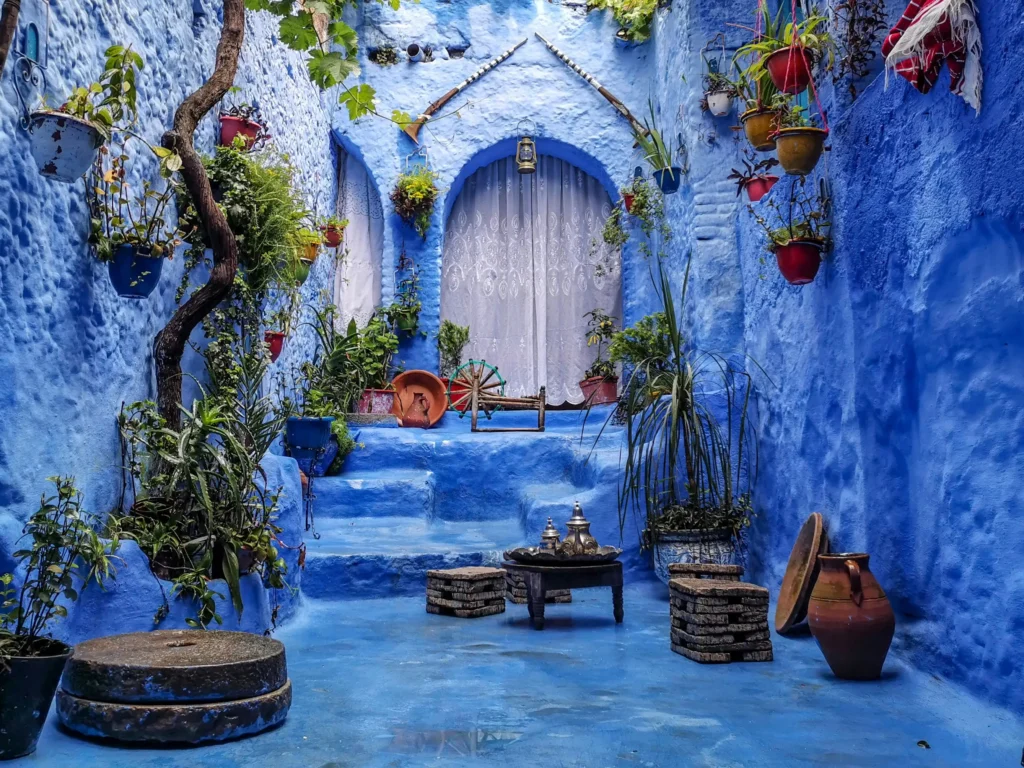
Chefchaouen Morocco 2026

Have you ever dreamed of wandering through streets painted in fifty shades of blue? Welcome to Chefchaouen Morocco, where every corner tells a story and every photograph looks like it belongs in a fairy tale. This enchanting city, nestled in the heart of the Rif Mountains, isn’t just another destination on your Morocco itinerary—it’s an experience that will leave you questioning whether you’ve stepped into a real place or a vivid dream. I’ve had the privilege of exploring Morocco’s hidden gems for over a decade, and I can tell you that Chefchaouen holds a special place in every traveler’s heart. Whether you’re planning your first visit or returning for another dose of its magical charm, this comprehensive guide will help you make the most of your time in Morocco’s most photogenic city. Why Chefchaouen is Called the Blue Pearl of Morocco Walking through Chefchaouen feels like diving into an ocean of tranquility. The city earned its nickname “The Blue Pearl” for obvious reasons—nearly every building in the old medina is painted in varying shades of blue, from powder blue to deep cobalt. But why blue, you might wonder? The History Behind the Blue-Painted Walls The tradition of painting buildings blue dates back to the 1930s when Jewish refugees fleeing the Spanish Inquisition settled in Chefchaouen. In Jewish culture, blue represents the divine and serves as a reminder of God’s presence. The color also has practical benefits—it repels mosquitoes and keeps homes cooler during Morocco’s hot summers. “Chefchaouen isn’t just a city; it’s a living canvas where every brushstroke tells the story of cultural harmony and resilience.” – Local historian Ahmed Benali Cultural Significance of the Blue Color Today, the blue walls have become more than just tradition—they’re a symbol of peace and serenity. Locals continue to repaint their homes annually, usually before Ramadan, maintaining this centuries-old practice that transforms the city into an Instagram photographer’s paradise. Top 10 Must-Visit Attractions in Chefchaouen Morocco The Historic Medina and Its Winding Streets The heart of Chefchaouen Morocco lies within its medieval medina, a UNESCO World Heritage candidate. Unlike the chaotic souks of Marrakech or Fez, Chefchaouen’s medina feels intimate and peaceful. Spend at least half a day getting pleasantly lost in its labyrinthine streets, where every turn reveals a new shade of blue and friendly locals who genuinely enjoy sharing their city’s stories. Pro Tip: Visit the medina early morning (7-9 AM) for the best lighting and fewer crowds. This is when you’ll capture those Instagram-worthy shots without photobombing tourists! Kasbah Museum and Ethnographic Exhibits The 15th-century Kasbah houses an excellent ethnographic museum showcasing Berber artifacts, traditional costumes, and historical photographs. The highlight? Climbing to the top of the tower offers breathtaking panoramic views of the blue city and surrounding mountains. Entry costs 20 MAD (about $2 USD), making it one of Morocco’s best bargains. The Great Mosque and Plaza Uta el-Hammam Plaza Uta el-Hammam serves as Chefchaouen’s social hub, where locals gather for evening conversations over mint tea. The 15th-century Great Mosque, with its unique octagonal minaret (unusual for Morocco), dominates the square. While non-Muslims cannot enter, the exterior architecture is stunning, especially when illuminated at sunset. Ras El Maa Waterfall: Nature’s Refreshing Escape A 20-minute walk from the medina leads to Ras El Maa, a small but refreshing waterfall where locals do their laundry and children play. It’s not Niagara Falls, but the journey through olive groves and the chance to see authentic local life makes it worthwhile. Pack a picnic and enjoy lunch by the cascading water. Best Photography Spots in Chefchaouen for Instagram-Worthy Shots Blue Alleyways and Doorways The most photographed spots include Rue Targhi and the stairs leading to the Spanish Mosque. But here’s a local secret: venture into the residential areas beyond the main tourist routes. Streets like Rue Moulay Ali Ben Rachid offer equally stunning blue vistas without the crowds. Local Secret: The best lighting occurs during “golden hour” (one hour before sunset) when the blue walls take on a magical purple hue. Most tourists miss this because they’re having dinner! Panoramic Views from the Spanish Mosque The hike to the Spanish Mosque (Mezquita Española) takes about 45 minutes and offers the most spectacular views of Chefchaouen. The mosque itself was never completed, but the viewpoint is legendary among photographers. Start your hike 90 minutes before sunset to secure the best spot—this place gets crowded during peak season! Authentic Experiences: What to Do in Chefchaouen Morocco Shopping for Local Crafts and Textiles Chefchaouen is famous for its high-quality woolen goods, particularly djellabas (traditional robes) and blankets. The local cooperative on Rue Hassan II offers fair-trade products directly from local artisans. Unlike other Moroccan cities, haggling here is gentler and more respectful—expect to pay 60-70% of the initial asking price. Traditional Moroccan Cuisine and Local Restaurants Don’t miss trying bissara (fava bean soup) at Café Clock, or sample fresh goat cheese at Restaurant Beldi Bab Ssour. The local specialty is kefta tagine, made with herbs grown in the surrounding mountains. Most meals cost between 50-80 MAD ($5-8 USD). “The flavors of Chefchaouen are as rich and layered as its blue-painted walls—each bite tells a story of mountain traditions and Mediterranean influences.” – Chef Fatima Lahlou Hiking Adventures in the Rif Mountains Chefchaouen Morocco serves as the perfect base for exploring the Rif Mountains. Popular day hikes include the trail to Jebel el-Kelaa (1,616m) and the God’s Bridge natural arch. If you’re planning a tailor-made Morocco tour, consider adding multi-day trekking experiences to your itinerary. Best Time to Visit Chefchaouen Morocco Weather Patterns Throughout the Year Spring (March-May): Perfect weather with temperatures around 20-25°C (68-77°F). Wildflowers bloom in the surrounding mountains, creating spectacular hiking conditions. Summer (June-August): Hot and dry with temperatures reaching 35°C (95°F). The blue walls provide natural cooling, but plan indoor activities during midday hours. Fall (September-November): Ideal weather returns with comfortable temperatures and crystal-clear mountain air. This is my personal favorite time to visit. Winter (December-February): Cool and occasionally rainy, with temperatures