Skip to content
Traditional doors and windows in Fez
Culture

Moroccan Etiquette: Do's and Don'ts for Respectful Travel

Morocco is a polite society that notices politeness. None of the rules below are hard — they are the difference between a merchant who becomes your friend and one who checks his watch. Learn five of them before you fly and the country opens up faster than you expect.

Eddyafa Travel
Journal
In this article5 min read

Why manners matter more here than you think

Moroccan daily life runs on small formalities: a greeting before a request, the right hand, a few minutes of conversation before business. Visitors who skip them are not punished for it — but the person in front of them becomes a little less generous, a little more hurried, and the interaction costs dirhams.

The good news is that no one expects you to be perfect. Foreigners are judged on effort, and effort here is cheap: say bonjour or salam first, smile, and treat the person across the counter as a host rather than a service. Almost everything else in this guide is detail around that one habit.
  1. Greetings: salam, bonjour and the right hand

    Start every interaction — shop, taxi, reception, street — with a greeting. Salam works everywhere, bonjour works everywhere too and is understood in French-speaking Morocco; adding shukran at the end completes the circuit. The handshake is light and can be long; let the other person set the rhythm.

    With women, wait to see whether a hand is offered rather than reaching first — many local women will greet with a smile instead, and returning that warmly is the correct answer. The right hand is the rule for eating, greeting, giving and receiving; the left stays out of all of it. And when a Moroccan says insha'Allah about a plan, it means hope, not refusal — treat it as part of the conversation, not an excuse.

  2. Dress: reading the room

    Morocco is relaxed in the tourist zones and conservative twenty metres beyond them. In the medinas, villages and anywhere you are a guest rather than a customer, shoulders and knees covered is the norm for both men and women; in beach towns, at riad pools and in Gueliz, almost anything goes.

    Two places get their own rules. Mosques are closed to non-Muslims except for the guided visits at sites like the Hassan II Mosque in Casablanca — a scarf and bare feet are part of that visit. And the souk is neither a beach nor a nightclub: clothes that attract comments will get them, in places where the comments are not fun to receive.

  3. Photos: ask before you point

    The camera is the fastest way to turn a friendly moment sour. Ask first — a gesture and a smile usually gets a yes, and a no gets you a shrug instead of a scene. Many people, and especially women, would rather not be photographed; children who pose happily are not permission for their families.

    Some vendors and performers will expect a small payment for a photo of their stall or their face, and that is a fair ask rather than a scam. Keep the phone down entirely around police, military, airports and government buildings — photographing those is not a gray area in Morocco. And take your pictures of the square, not of the beggar in it.

  4. Homes, riads and the shoes rule

    If you are invited into a Moroccan home — or into a riad with carpets where shoes come off at the door — follow the lead of whoever lives there. Shoes off means shoes off; slippers by the door mean slippers. Take the tea that is poured for you, accept the first glass at least, and compliment the house or the food — it costs nothing and is heard as genuine.

    Give and receive with the right hand, keep your feet from pointing at people, and if someone fills your plate a second time, that is affection, not pressure. Leaving a little food is polite in some homes; finishing everything is polite in others — watch your host and mirror them.

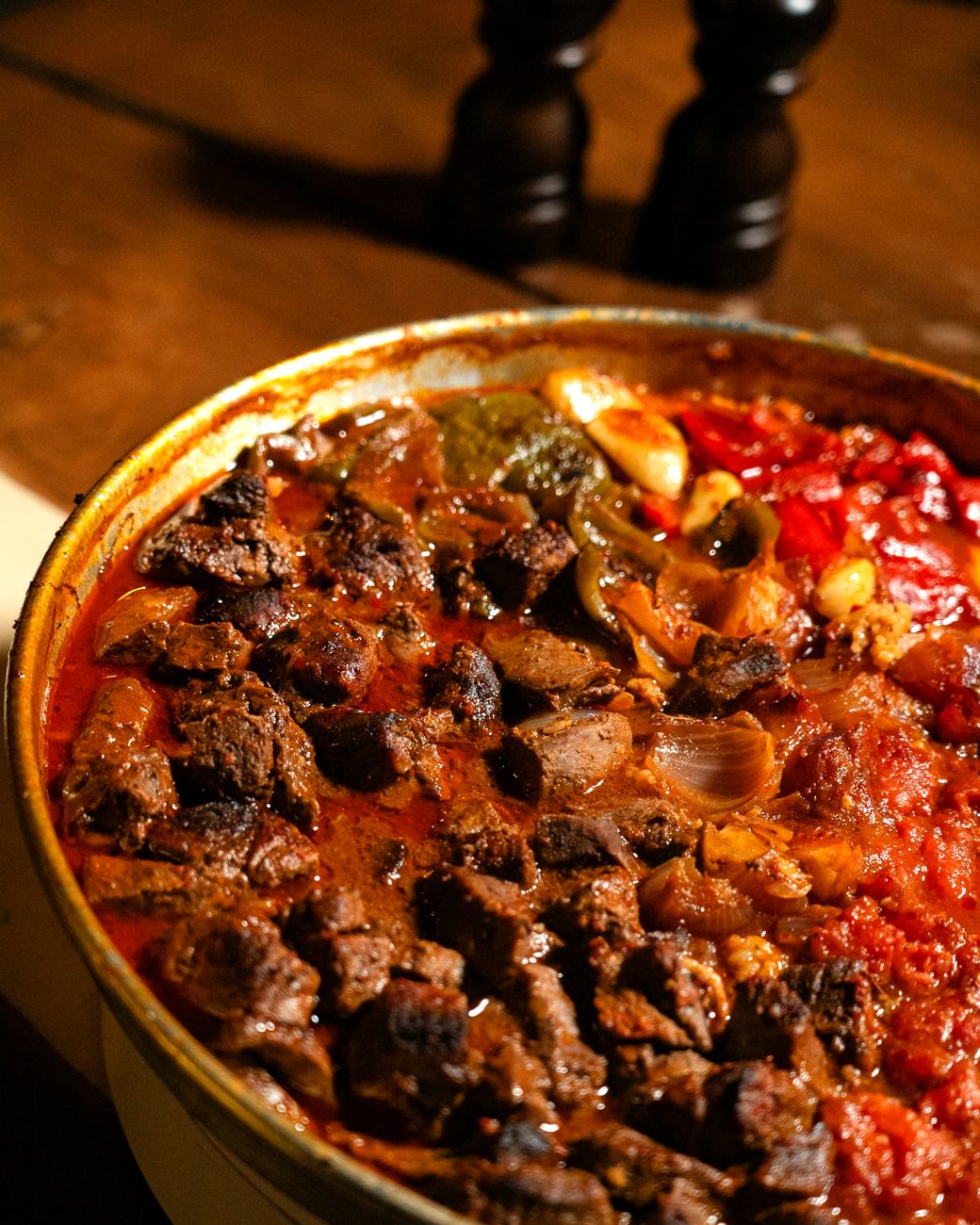
    Sharing a prepared Moroccan meal
  5. Ramadan and Friday rhythms

    During Ramadan, most Moroccans do not eat, drink or smoke in public during daylight — and visitors doing it in the street stand out in a way that is not worth it. Tourist cafés and hotel restaurants stay open, so you can eat; the courtesy is to do it somewhere discreet, and to expect a slower, quieter day everywhere else.

    Fridays follow the midday prayer: some shops in the medinas close for an hour or two around it, and the family lunch that follows runs long. Plan errands around neither and nobody will mind — but knowing why the street empties for a while saves you standing in front of a shuttered door.

  6. Bargaining, without the theatre

    The manners of a good bargain are simple: no anger, no mockery, and no pretending you will buy when you will not. If you open a negotiation, staying polite while you walk away is allowed — but saying thank you and meaning it costs nothing and keeps the door open for later.

    The numbers themselves live in our money guide — this section is only about tone. Souk sellers hear a hundred accents a day, and the tourist who treats it as a game rather than a fight is the one who gets the honest price at the end.

  7. Alcohol, affection and being a guest

    Alcohol is legal in Morocco but licensed-place-only: hotels, licensed restaurants and shops with the right permit — never drunk on the street, and never offered to a Muslim acquaintance as a joke. It exists, it is normal, and pretending otherwise is the only rude move.

    Public affection stays modest for everyone, local and foreign: holding hands is common, anything more draws looks even between married couples. And Morocco is a conservative country where same-sex relations are illegal — LGBTQ+ travellers should exercise real discretion. Finally, if someone invites you for tea, the polite ending is to accept at least once; declining every offer is read as coldness, not restraint.

The five-second rule

When you are not sure what to do, default to the smallest courtesy and you will be right almost every time. Moroccans extend enormous patience to visitors who are trying — and the traveller who tries is remembered long after the one who did not.

  • Greet before you ask: salam or bonjour first, then your question.
  • Right hand for everything that touches another person.
  • Ask before every photo of a person; keep the phone down near officials.
  • Shoes off wherever shoes come off — follow your host, not the rules in your head.
  • Accept the first tea, the first hello, and the first offer of directions.
  • Thank people who did nothing for you — shopkeepers, doormen, strangers who pointed the way.

Begin your adventure

Your dream Morocco trip starts here

Tell us where you want to go, when, and at what pace — we’ll craft a tailor-made itinerary with private transport, hand-picked riads and local guides.