Skip to content
Interior courtyard of a traditional riad in Fez
Where to Stay

Riad or Hotel in Morocco? How to Choose Where You'll Actually Love Staying

A riad and a hotel can sit 400 metres apart and deliver opposite holidays. One is a quiet house behind an unmarked door; the other is a pool, a lift and a bar. Neither is the right answer by default — the right answer depends on your city, your nights and who you're travelling with.

Eddyafa Travel
Journal
In this article5 min read

The choice in one paragraph

A riad is a traditional Moroccan house rebuilt for guests: rooms open onto an interior courtyard, the street door is unremarkable, and the whole place runs on hospitality rather than front-desk procedure. A hotel is what you already know — reception, housekeeping, a pool or a spa, and a building a car can reach.

Riads shine inside the medinas, where cars cannot go anyway, and collapse when what you want is a sunbed and a late checkout. Hotels win in the coastal and business cities and anywhere you arrive with a family, a lot of luggage or mobility concerns. The rest of this post is how to ask the right question for your trip.
What a riad actually is

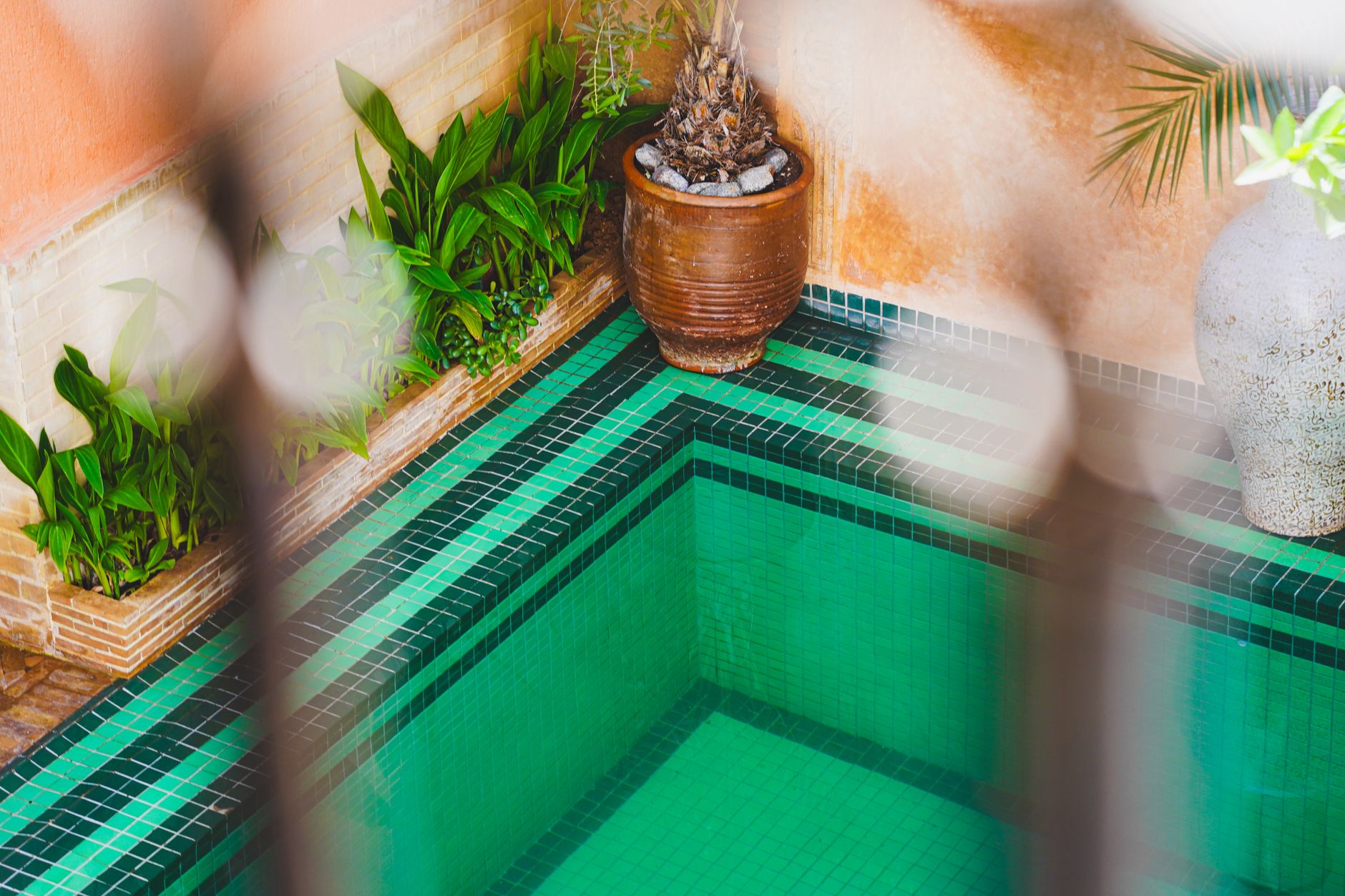
The word comes from the Arabic for garden, and the layout explains it: rooms face inward onto a planted courtyard, often with a fountain or a small plunge pool, which keeps the house cool and the noise out. Thick walls, carved plaster, zellige tile — an old medina house, not a themed lobby.

Operationally it means a few things you should know before booking: no street-facing windows in most rooms (courtyard-facing is the point), stairs instead of lifts in the old medinas, breakfast usually included, dinner often available if you ask that morning, and a staff of five to fifteen people who actually live in the building. It also means the airport transfer ends at the nearest car-accessible point — someone will walk your bags in.

What a hotel does better

  • Arrival at any hour. A 24-hour desk with a car that can stop at the door, regardless of how narrow the street is.
  • Space and facilities. Real rooms, a real pool, a gym, a spa, sometimes a rooftop bar — square metres a riad physically cannot have.
  • Consistency. The same product in Marrakech, Casablanca and Agadir. What you booked is what you get, in every city.
  • Families and groups. Connecting rooms, cots, buffets at child speed, and corridors for kids to exhaust themselves on.
  • Parking and independence. If you have a rental car, a hotel with its own lot ends the evening argument about where to leave it.

Where riads win

  • Inside the medina. In Fes and Marrakech, the medina is the attraction — sleeping in it means you step out at 7 a.m. into a souk that belongs to you, and back in an hour later without crossing a traffic jam.
  • Atmosphere per euro. A courtyard dinner under orange trees costs less than a hotel restaurant's cover charge, and the roof terrace at sunset is usually free and usually empty.
  • Sleep quality. Thick walls, no traffic, no corridor noise. Guests routinely describe the first riad night as the best sleep of the trip.
  • Food. Homestyle cooking, not kitchen-as-service: ask the night before and dinner becomes a private tagine on the terrace.
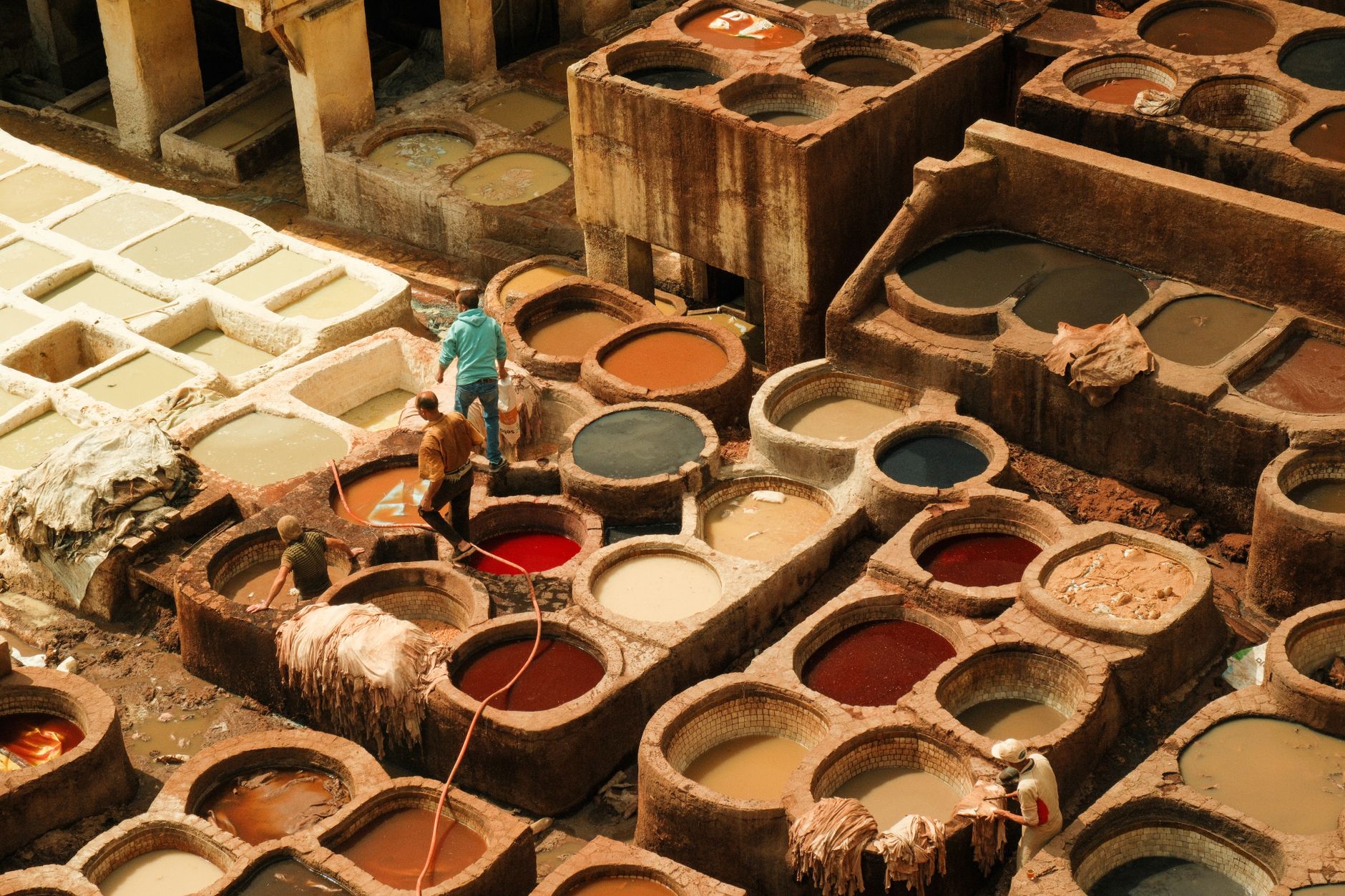
  • Someone who knows the city. The host who arranges your driver, argues the price down at the tannery, and tells you which of the three recommended restaurants is actually worth it.
Courtyard terrace of a Moroccan riad with seating and greenery
  1. Match the stay to your city

    The single most useful filter: medina city or not. Marrakech, Fes, Chefchaouen and Meknes reward riads — you'll spend your evenings inside the old walls anyway. Casablanca, Rabat and Agadir barely have a walkable medina core, so the best riad there is competing with good hotels on the hotels' terms; stay in the modern city.

    Rule of thumb: if your evening plan is "wander out, eat within walking distance, come back", a riad. If it's "drive somewhere, dress up, take a taxi back", a hotel.

  2. Match the stay to your nights

    One or two nights between flights: a hotel, because the logistics of a riad (transfer point, stairs, timing dinner) eat into a short window. Three nights or more: a riad starts to pay off — you get to know the staff, the neighbourhood and the one bakery that matters.

    Also weigh arrival time. Landing at 11 p.m. with a driver who knows the riad is fine; landing at 11 p.m. hoping the street door is findable is not. Whatever you book, confirm the airport pickup in writing before you fly.

  3. Match the stay to your travellers

    Couple or solo: riads are built for exactly this — small, romantic, quiet, and the hosts treat you like houseguests. Friends on a trip: either works, but confirm the riad has enough bathrooms and a common terrace before you split the bill.

    Families with young children, or anyone with mobility issues: check honestly. Many medina riads mean steep stairs and no lift, and the courtyard has stairs too. Hotels with pools and lifts win this category almost every time — there is no bonus for authenticity at 2 a.m. with a toddler.

  4. Match the stay to your budget shape

    Compare what's included, not the headline rate. A riad at €90 with breakfast, airport transfer and dinner for €15 can beat a €75 hotel where breakfast is €14 a head and parking is €10 a night. Ask three questions: is breakfast included, is the transfer included, and can we eat here tonight?

    Watch the season trap as well: riads are small, so a handful of rooms at a popular time sell out months ahead, while hotels hold rate. If your dates are fixed and in spring or autumn, book the riad early.

  5. Read the listing like an inspector

    Before paying, check four things the photos won't tell you: the distance from the car drop-off (ask for it in minutes with luggage, not metres), whether the room faces the courtyard or the street, when the last kitchen order closes if you want late dinners, and what the cancellation window actually is.

    Then read the most recent three reviews rather than the score. Riads live and die on maintenance — a 9.2 that was reviewed last month is more useful than a 9.7 whose newest review is from a year ago.

The honest verdict

If your trip is built around medinas, food and atmosphere — the reason most people come to Morocco — book riads, and book them in the old towns. If your trip is beaches, driving, kids or late nights out of town, book hotels and keep the car at the door.

Many first-timers end up doing both: two nights in a medina riad, then three at a coastal hotel, and the contrast is exactly what makes each half feel right. You don't have to pick a side for the whole holiday — only for each city.

Begin your adventure

Your dream Morocco trip starts here

Tell us where you want to go, when, and at what pace — we’ll craft a tailor-made itinerary with private transport, hand-picked riads and local guides.