Skip to content
Marrakech cityscape at the start of a seven-day Morocco itinerary
Morocco Itineraries

7 Day Morocco Itinerary: The Perfect First-Timer Route (2026)

One week is enough to taste Morocco at its most extreme — the buzz of Marrakech, the silence of the Sahara and the oldest medina in the country. This seven-day loop strings them together with realistic drive times, the best stops in between and no wasted days.

Eddyafa Travel
Journal
In this article4 min read

How This 7-Day Route Works

The classic first-timer loop starts and finishes in Marrakech, swings east across the High Atlas, dips into the Sahara at Merzouga and climbs north to Fez. It is roughly 1,200 km of driving — but the road itself is the show: mountain passes, kasbah villages and palm oases break up every leg.

You can drive it yourself, but most travellers hand over the keys and take a private driver instead. Distances look short on the map; mountain roads halve your average speed, so the plan below keeps every moving day to three to five hours behind the wheel.

  • Best for: first-timers, couples and families with children aged six and over.
  • Total driving: about 1,200 km, spread across four moving days.
  • Easy to shorten: skip the Fez extension and loop back to Marrakech from Merzouga.
Days 1–2: Marrakech, the Red City

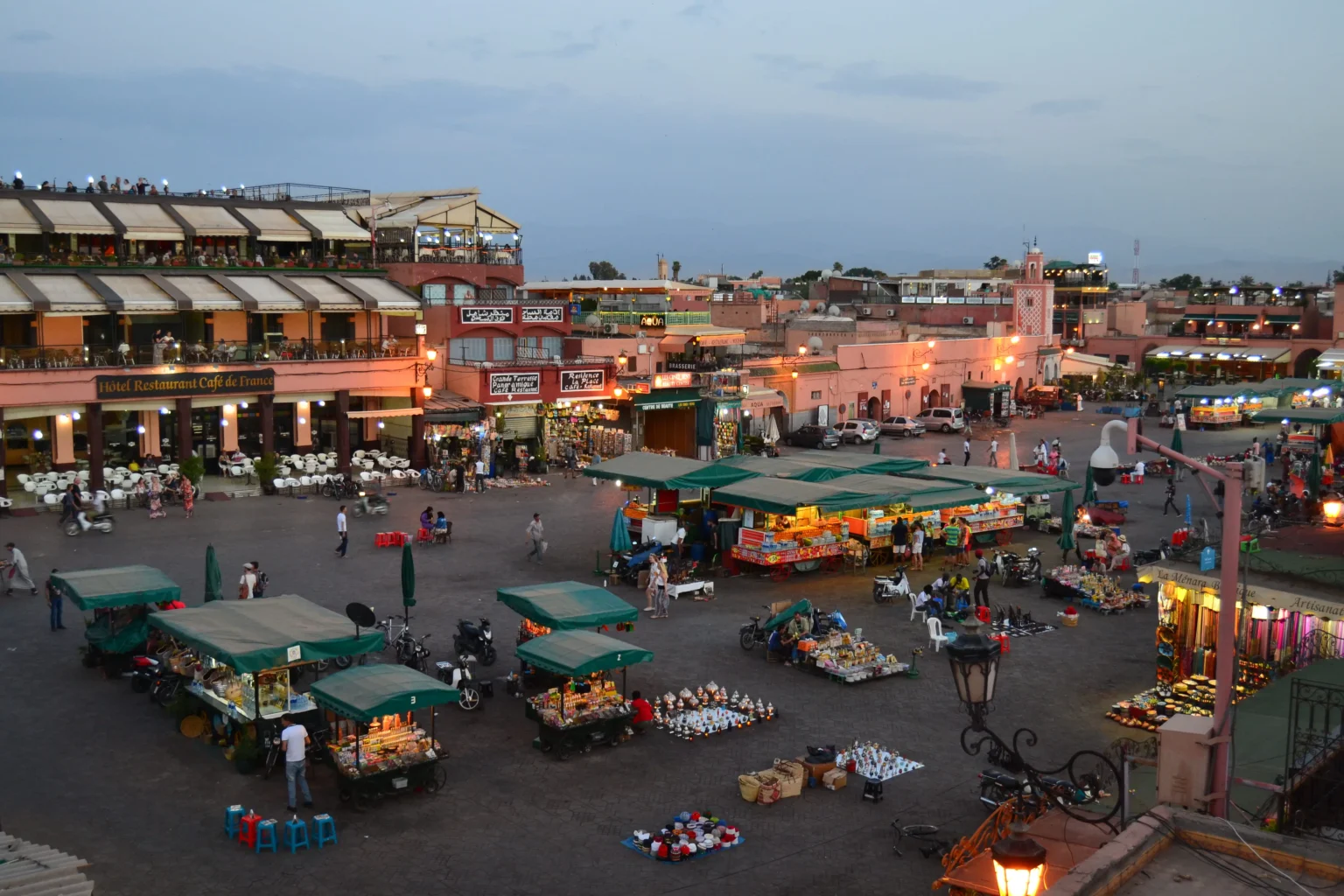
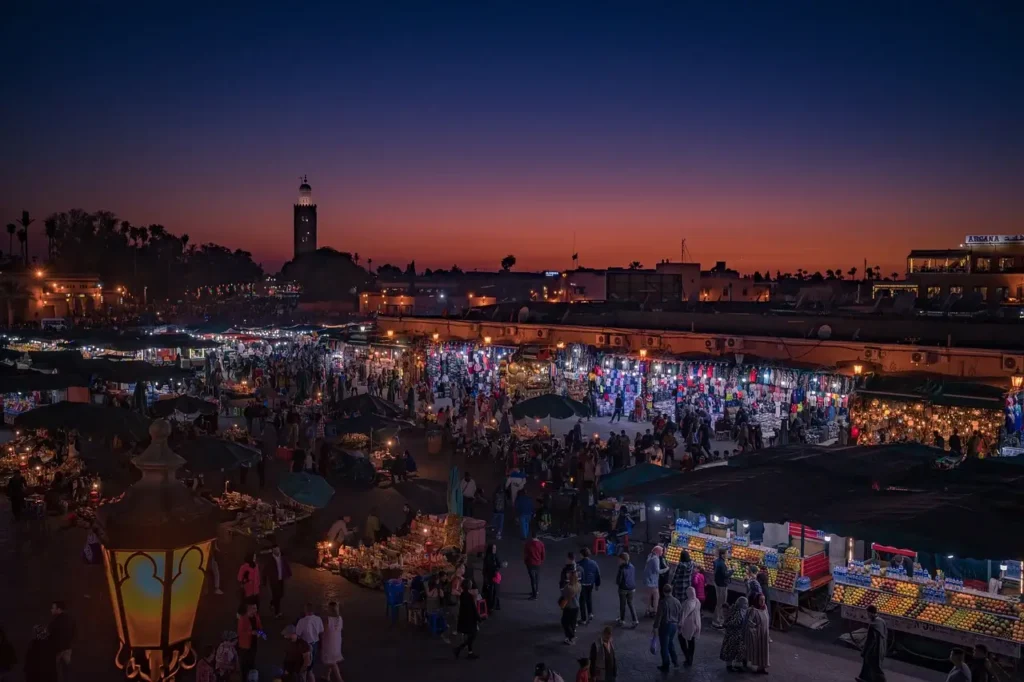
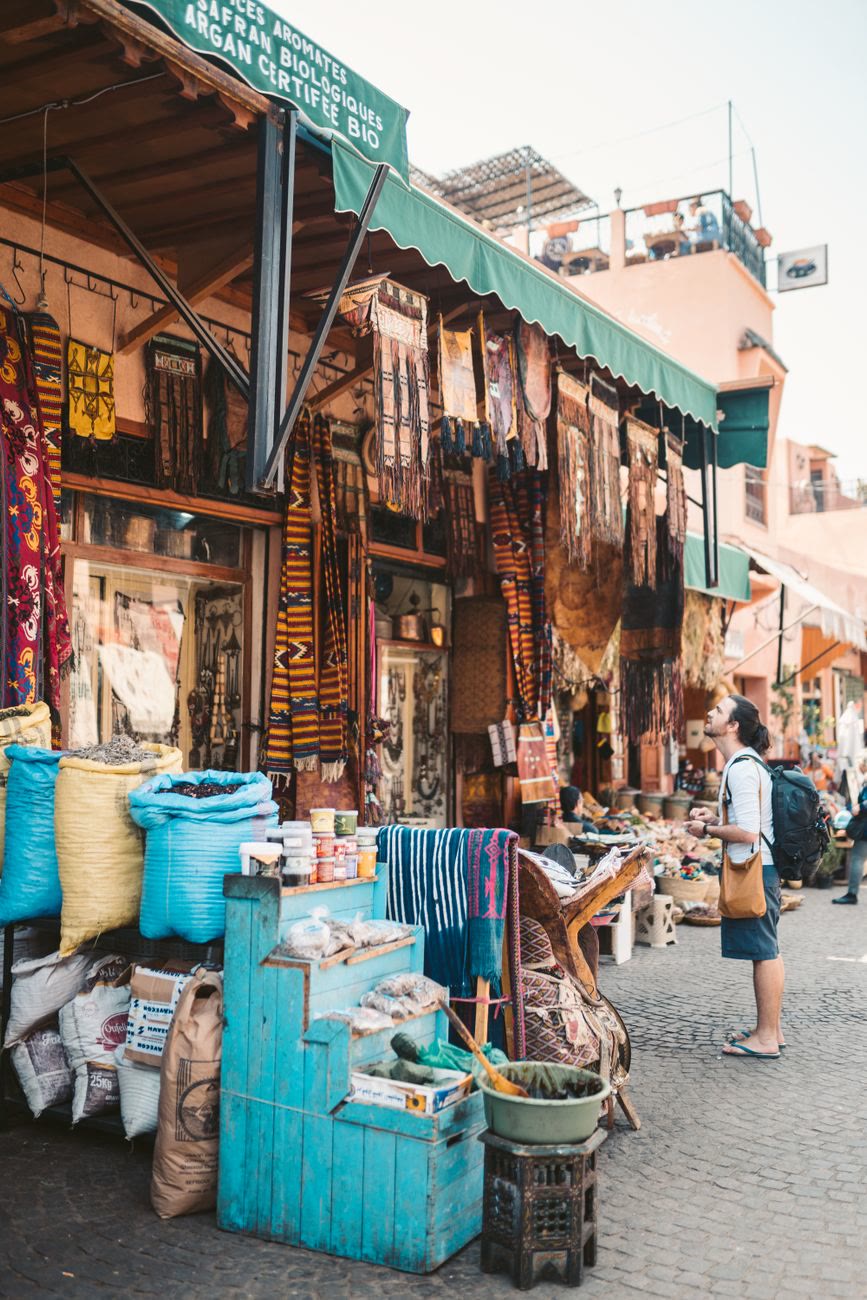
Give yourself two full days to acclimatise. Marrakech rewards a slow start: Jemaa el-Fna square at dusk, the Bahia Palace in the morning light, then hours lost in the souks between dyers, spice sellers and coppersmiths. The second day is for the quieter side of the city — the Jardin Majorelle and the artisans of the Mellah.

  • Evening one: dinner on a rooftop over Jemaa el-Fna while the food stalls fire up.
  • Don't miss: Bahia Palace, Le Jardin Secret and a mint tea stop in the medina.
  • Sleep in: a riad inside the walls — you wake up inside the postcard.
Exploring the streets of Marrakech

Day 3: Over the Atlas to Aït Ben Haddou

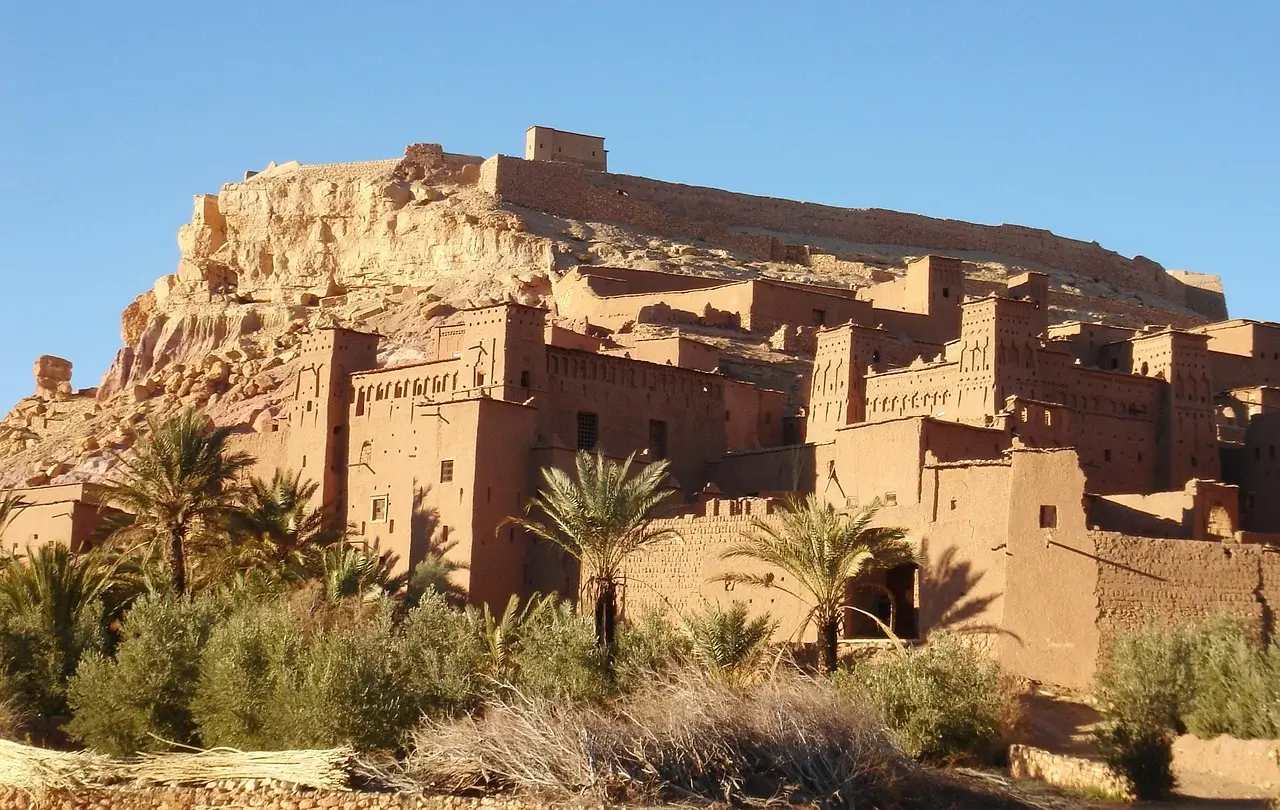
Leave at first light for the Tizi n'Tichka pass (2,260 m), where the road switchbacks through Berber villages and juniper forest. On the southern side lies Ouarzazate and, a short detour later, the UNESCO ksar of Aït Ben Haddou — the mud-brick fortress that has stood in for half of Hollywood's Arabia.

  • Allow: three to four hours of driving, plus the climb over the pass.
  • Stop at: the fortified granary of Telouet if you want the postcard to yourself.
  • Lunch: tagine in the ksar, then walk up to the kasbah at the top of the village.
The UNESCO ksar of Aït Ben Haddou in southern Morocco

Day 4: Dades and Todra Gorges

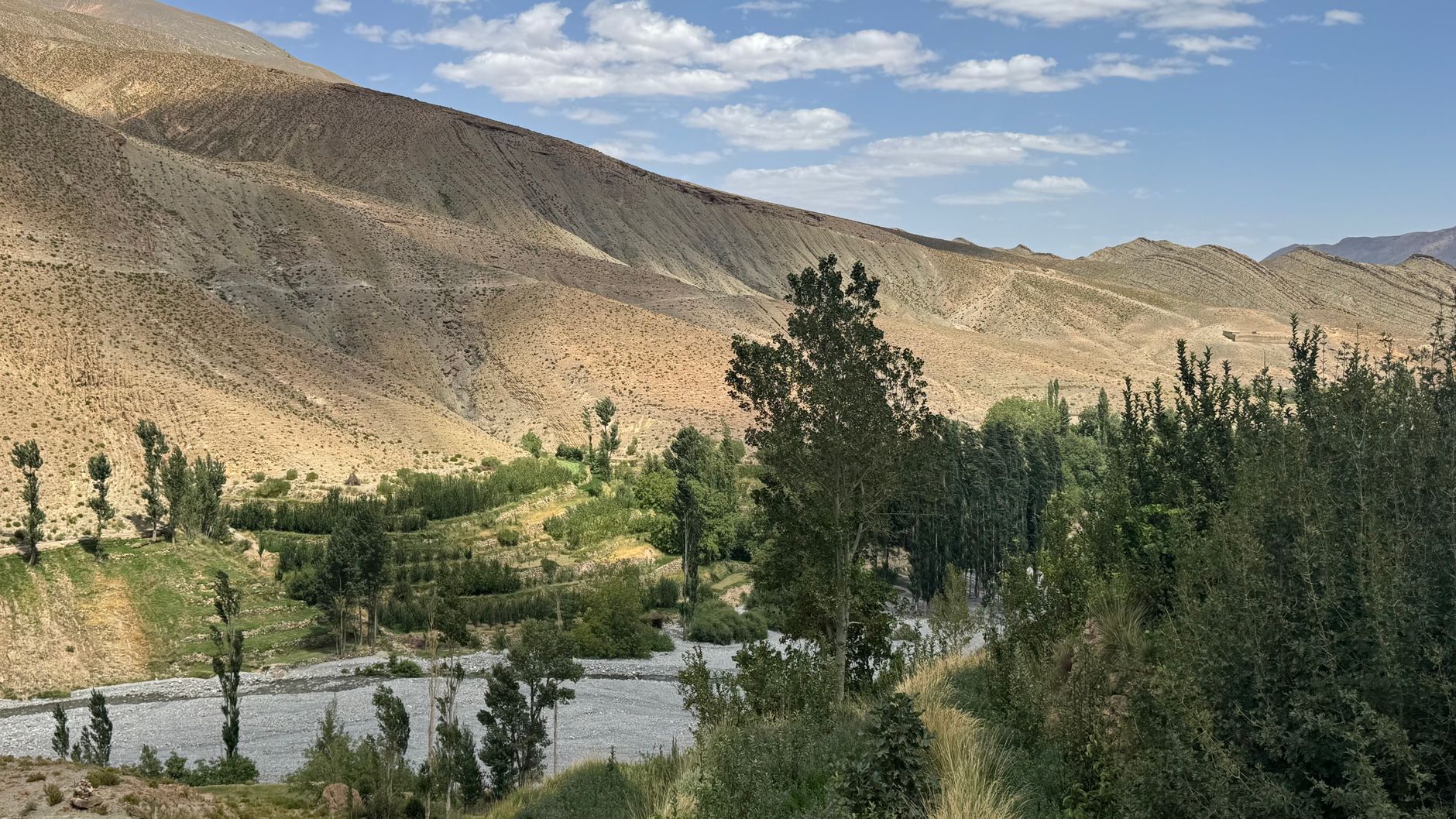
Today the landscape turns dramatic. Follow the Valley of the Roses, where April's harvest perfumes the air, then turn into the Todra Gorge, where 300-metre limestone walls close in around a thin ribbon of palm trees. End the day above the Dades, famous for its hairpin switchbacks.

  • Rose season: the cooperative villages of Kelaat M'Gouna sell rose water straight from the source.
  • In Todra: walk under the cliffs at midday, when the light hits the rock face.
  • Photo stop: the Dades Gorge viewpoint over the serpentine road.
Sheer limestone walls of the Todra Gorge

Day 5: Erg Chebbi and Your First Sahara Night

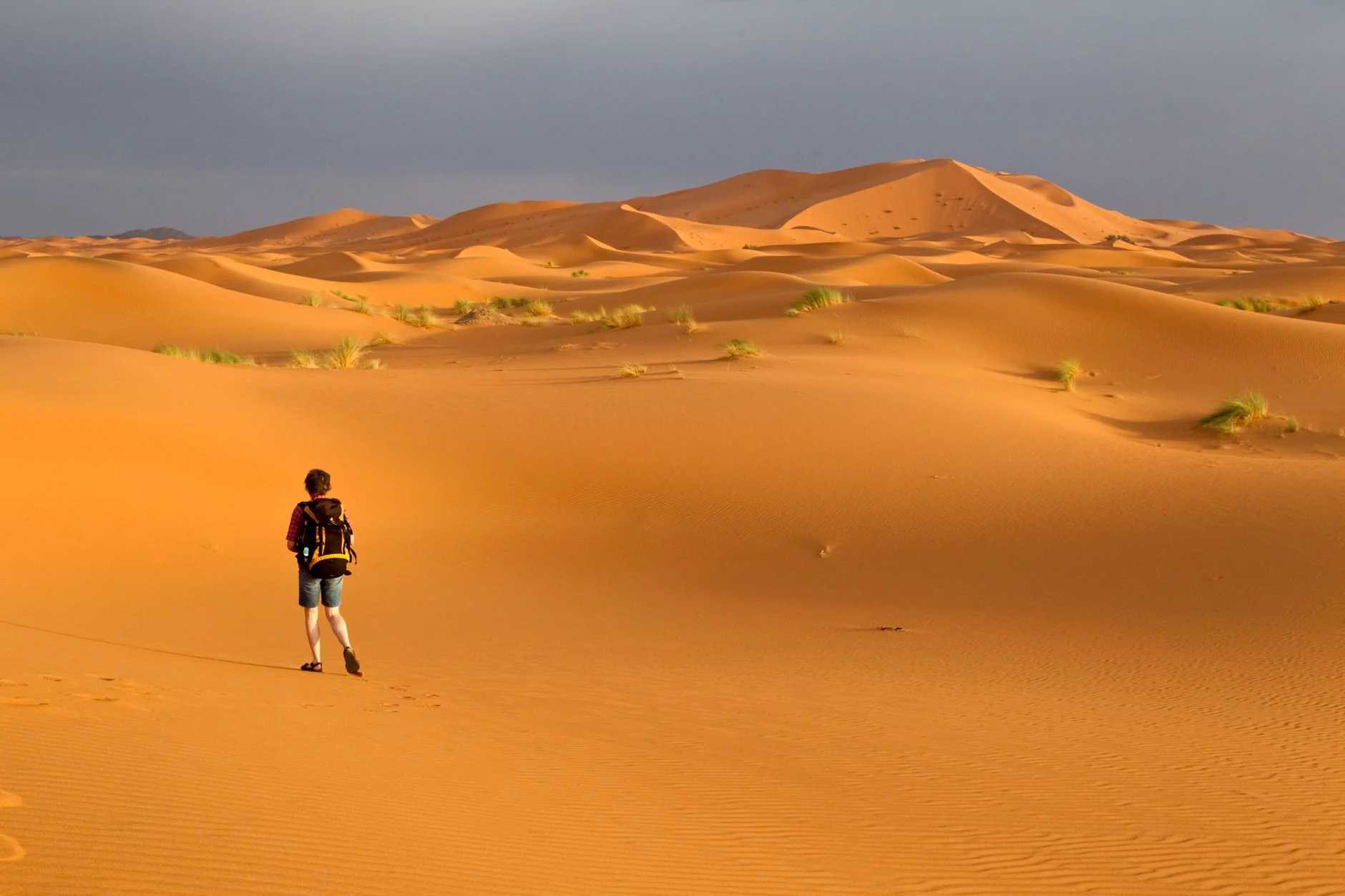
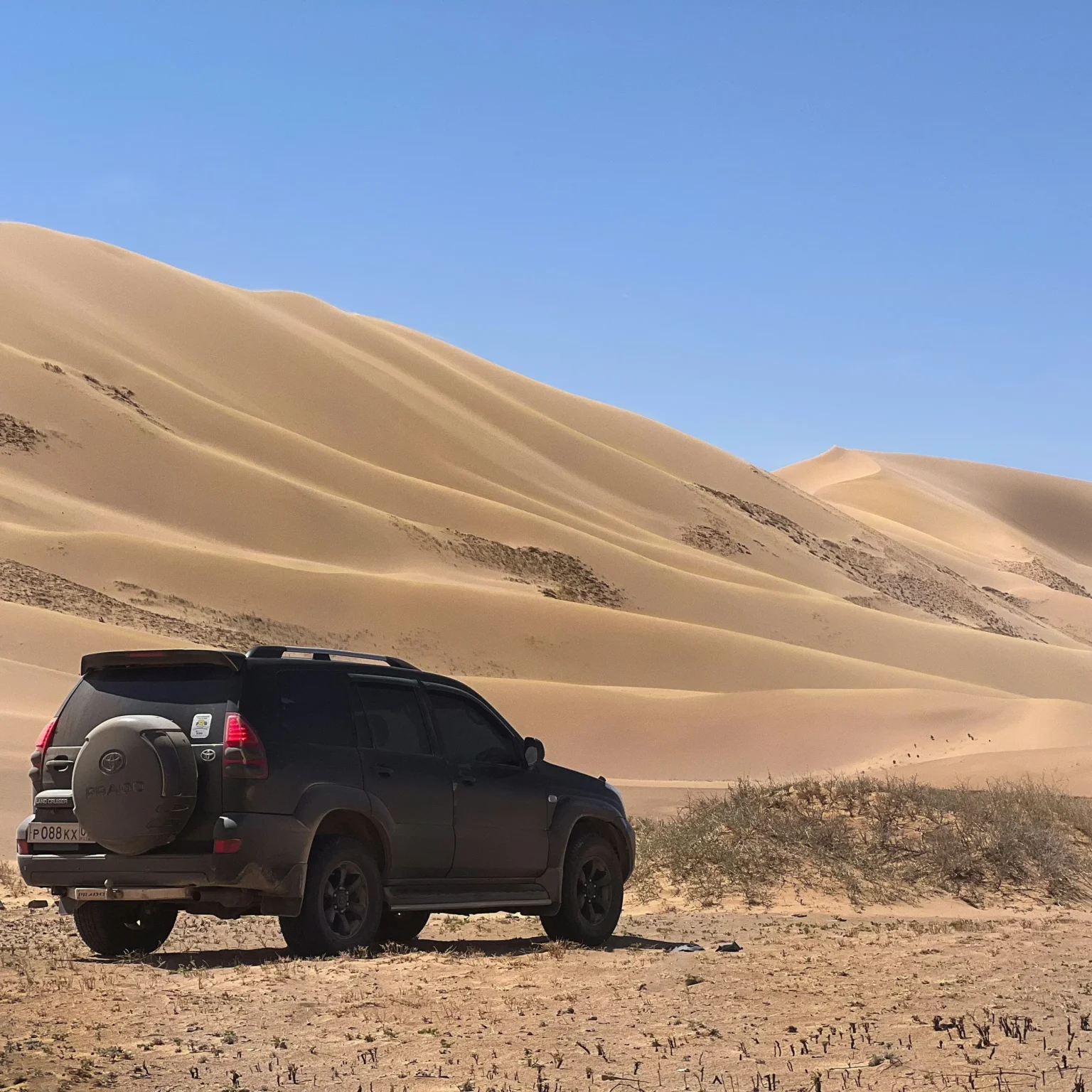
From Tinghir the road runs past Erfoud's fossil workshops and the royal tombs of Rissani into Merzouga, where Erg Chebbi's orange dunes rise up to 150 metres above the desert floor. Leave the car at the edge of the dunes, ride in by camel for an hour and reach camp in time for the sunset call to prayer.

Dinner is served under a sky with no light pollution, followed by Gnawa music around the fire. Set an alarm: the sunrise over the dunes is the reason you came.

  • Pack for camp: warm layers, a scarf for the sand and a headtorch.
  • Swappable: a quad bike or 4x4 transfer replaces the camel ride if you prefer.
  • Book ahead: the best small camps sell out weeks before in high season.
Sand dunes of Merzouga at sunrise

Day 6: The Ziz Valley to Fez

Trace the Ziz Valley north through date-palm oases and the Tafilalet, pause for lunch in Midelt — Morocco's apple country — and roll into Fez by late afternoon. The contrast is instant: after the desert's emptiness, Fes el-Bali's 9,000 alleyways feel like the loudest place on earth.

Traditional doors and windows in Fez

Day 7: Fez Medina and the Way Home

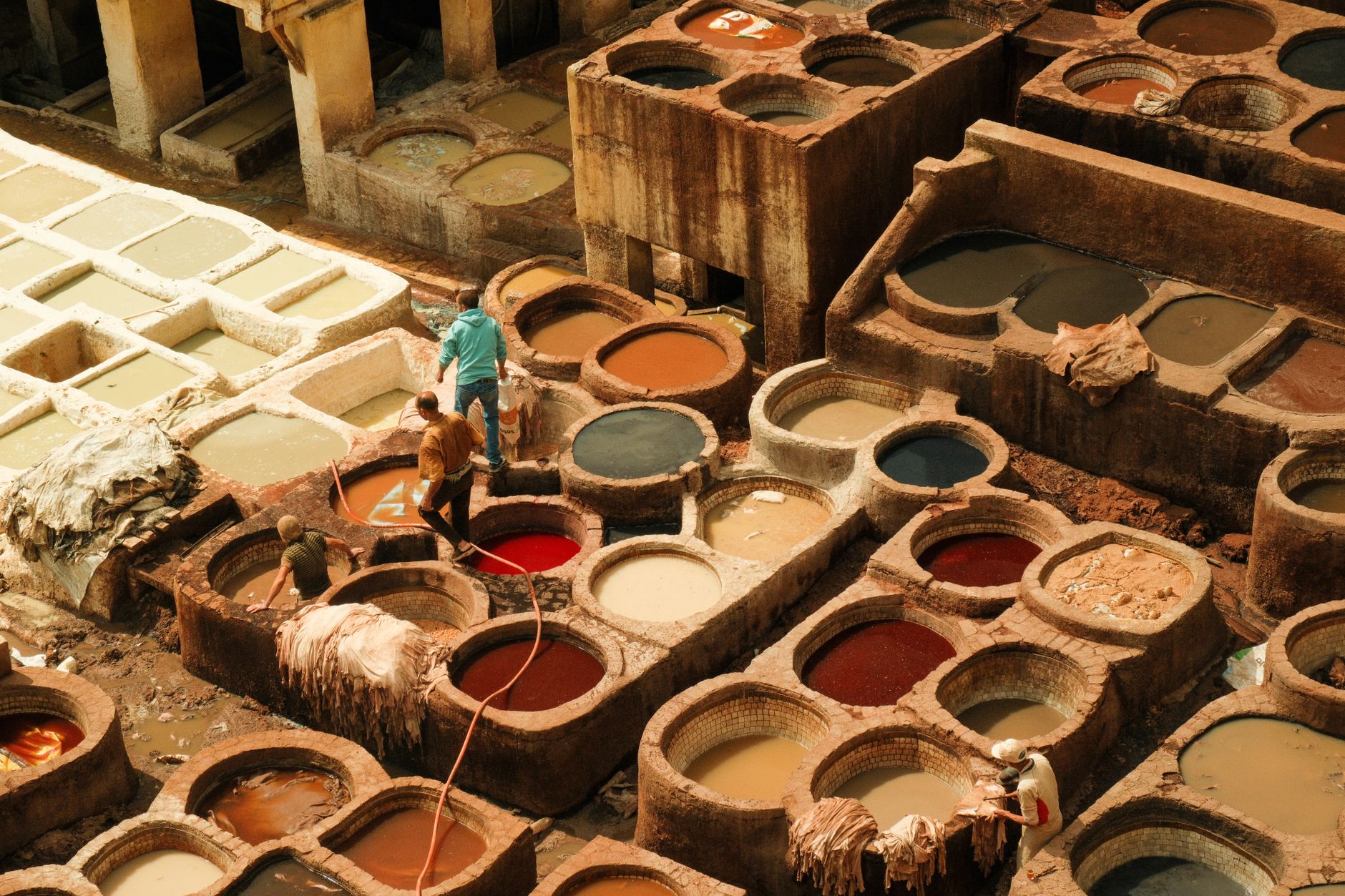
Spend the last morning where Morocco's intellectual life began: the Al-Qarawiyyin mosque and library, the Bou Inania madrasa and the famous Chouara tannery, seen from a terrace above the dye vats. Pick up leather, saffron and a jar of preserved lemons, then transfer to the airport or the train south.

  • Guided walk: a licensed local guide turns the medina's maze into a story.
  • Bonus day: add 4.5 hours north for Chefchaouen, the blue city, if you can stretch the trip.
  • Onward travel: the train Fez–Marrakech takes about 7.5 hours in comfortable first class.

When to Do This Route (and How to Book It)

Spring (March to May) and autumn (September to November) are ideal: warm days, cool nights and dunes that are pleasant at sunrise. July and August are punishing in the desert, while December and January demand a good jacket for camp nights.

  • Reserve first: the desert camp, then the riads — both fill early in October and March.
  • Ramadan and festivals: check the calendar; restaurant hours shift during Ramadan.
  • Want the wheel taken off your hands?: this exact route runs as a private tour with your own driver and guide.
Morocco scenery through the seasons

Begin your adventure

Your dream Morocco trip starts here

Tell us where you want to go, when, and at what pace — we’ll craft a tailor-made itinerary with private transport, hand-picked riads and local guides.