Skip to content
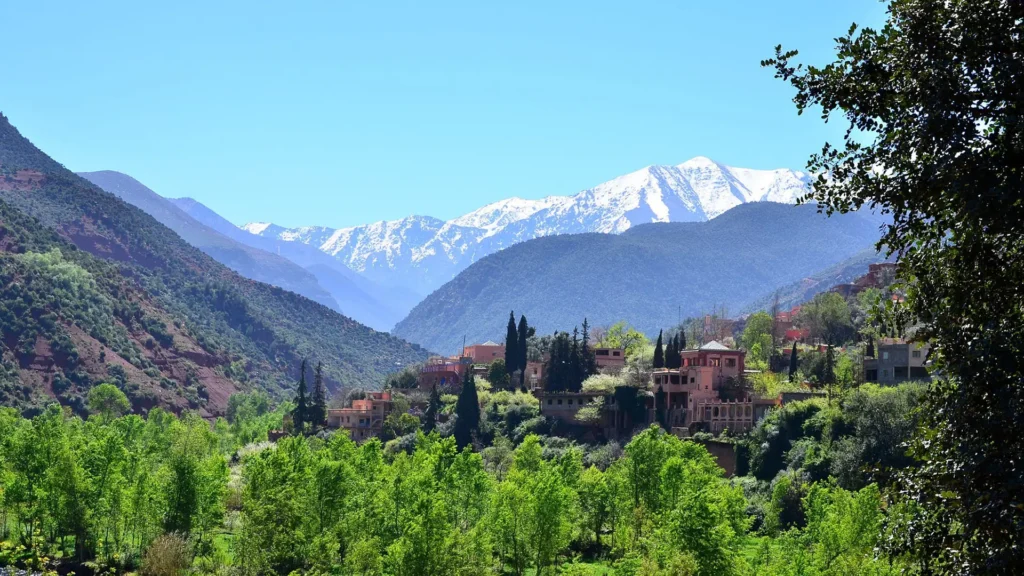
Terraced valley of Ourika in the Atlas Mountains
Mountains

The Atlas Mountains Guide: Treks, Valleys and Berber Villages

Two hours from Marrakech the flat red plain lifts into snow-capped ridges, terraced valleys and villages that still run on donkey tracks. How to reach the Atlas, what to walk, where to sleep and when the passes actually open.

Eddyafa Travel
Journal
In this article4 min read

Three ranges, one name

Moroccans say Atlas the way others say coast — it covers everything from ski slopes to goat pastures. Geographically there are three: the High Atlas (Jebel Toubkal, 4,167 m, the highest ground in North Africa), the Middle Atlas (rolling cedar forest, monkeys, easy drives), and the Anti-Atlas (dry, low, lunar). Most first trips touch the High Atlas, because it is the one that rises directly behind Marrakech.

That geography decides your trip. The High Atlas means winding roads, hiking and villages clinging to terraces; the Middle Atlas means blue-eyed monkeys and the road to the desert; the Anti-Atlas means wine country around Tiznit and the quietest corners of the country. Knowing which range you mean is half the planning.
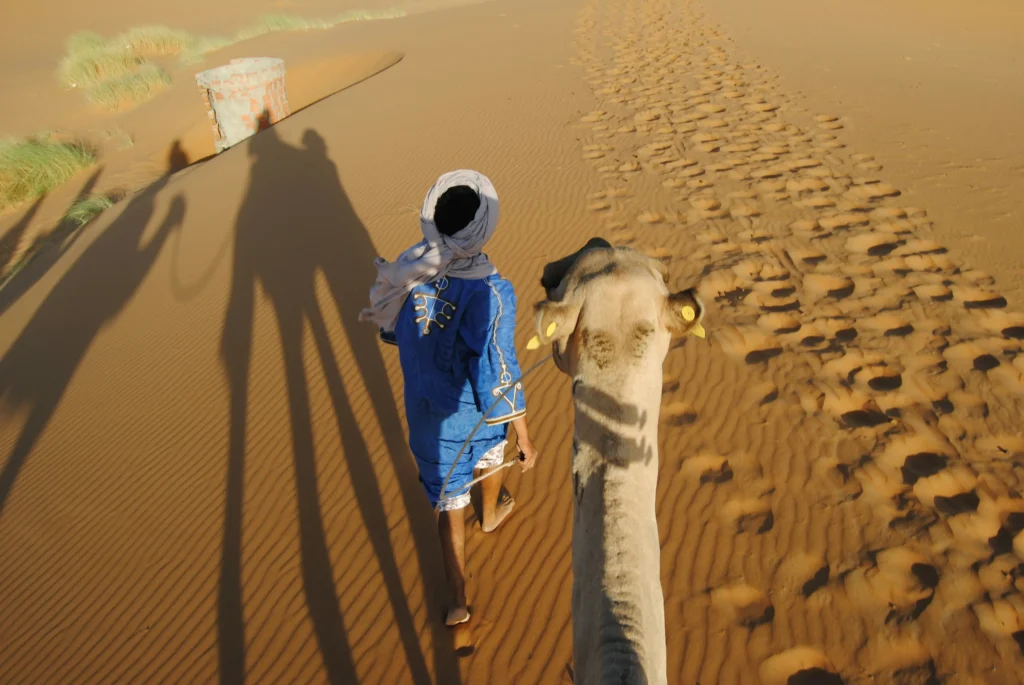
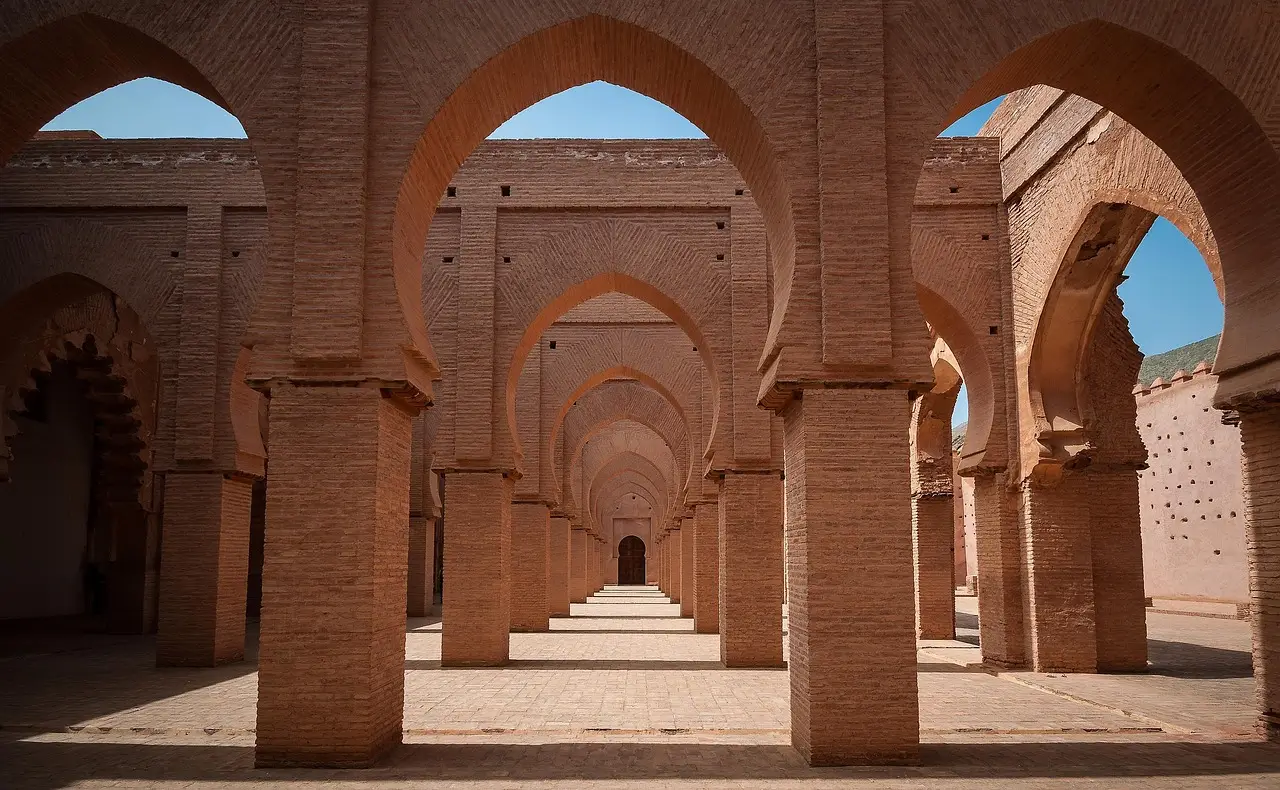
Hiking trail through the Moroccan mountains

Day trips from Marrakech

The classic escape is the Ourika Valley — an hour and a half south-east, green with terraces and waterfalls, with restaurants built over the stream at Setti-Fatma. It is popular because it is easy, not because it is secret; go on a weekday, walk past the first three restaurant clusters, and the valley gets quiet fast.

Better options if you want more than lunch: the Imlil valley, the gateway village for Toubkal, where mules still carry luggage up to the gîtes; Ouzoud Falls, a sixty-metre cascade with barbary macaques and a two-hour loop trail; and the Ourika Cloud House or the Ourika Valley gardens for something curated. All of them work as private transfers or shared grands taxis from the Marrakech bus station.

Walking and trekking

You do not need to be a mountaineer to enjoy the Atlas — you need decent shoes and an honest assessment of your legs. Three tiers cover almost everyone:

  • Valley walks: two to four hours, no guide required, flat-ish paths between villages — Ourika, Imlil, the Azzaden valley.
  • Day summits: Jebel Toubkal in two days from Imlil with a mule and a certified guide — since 2015 a national park permit and licensed guide are mandatory above the refuge, booked through the park or your guesthouse.
  • Long treks: the M'Goun ridge (four to five days, high and remote), the Aït Bougmez to M'Goun crossing, or the multi-day Toubkal circuit in June–October when the snow clears.
Scenic view across Morocco

The villages: kasbahs, tea and time

The Atlas is not only scenery — it is the cultural heartland of Amazigh (Berber) Morocco. The villages are built of rammed earth in the same colour as the ground, so at a distance they seem to grow out of the hillside, and many contain a kasbah or a kasbah-tower that once controlled the valley's irrigation.

What travellers remember is the pace: bread baking in communal ovens, walnut harvests in October, and the automatic third glass of tea that arrives whether you asked for it or not. In the Azzaden and Aït Bougmez valleys you can still arrange village homestays through local guides — simple rooms, huge dinners, and conversation that runs through three people and two languages.

When to go and where to sleep

The mountains have two seasons and one closed door. May–June is green and warm, with wildflowers and water still running; September–October is golden, dry and crystal-clear, and the best light of the year. July–August is busy and hot in the valleys (though the ridges stay cool). Winter is beautiful and serious: snow closes the Toubkal refuge and the high passes, and village roads can ice over.

For sleeping, choose between three things. A gîte or refuge — basic, communal, cheapest, and where you meet other walkers. A mountain guesthouse or aït-radius riad — hot water, dinners on the terrace, €40–90 with breakfast. Or the high-end kasbahs and lodges (think Tamadot or Kasbah du Toubkal) for when you want the mountains with a bathtub. Book weekends and holidays early; Moroccans go to the mountains too.

Getting there and tying it together

From Marrakech, Imlil is about 90 minutes by car; shared grands taxis leave from the Bab Doukkala station for a few euros, and your riad can arrange a private transfer for 600–900 dirhams. Roads are narrow but paved — the last climb to Imlil is switchbacks and donkeys, so drive it in daylight.

The elegant combination is the one every local itinerary uses: two nights in the mountains, then either drop south to the desert loop (Marrakech–Dades–Merzouga, with the Atlas as day one) or west to Essaouira, where the altitude turns into sea breeze. Three days in the Atlas between a city stay and a coast stay is the sweetest way to use them.

Begin your adventure

Your dream Morocco trip starts here

Tell us where you want to go, when, and at what pace — we’ll craft a tailor-made itinerary with private transport, hand-picked riads and local guides.