Skip to content
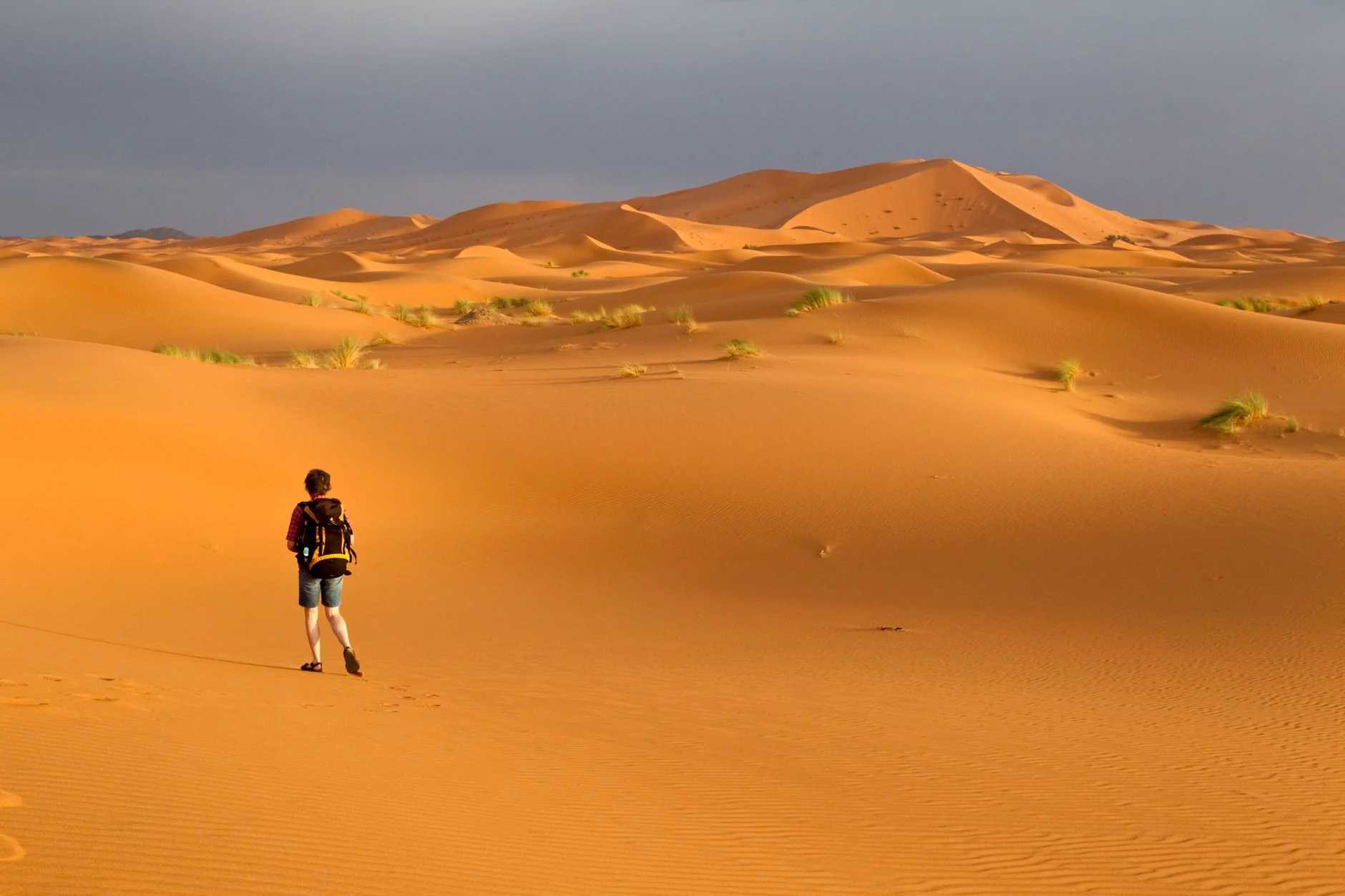
Sand dunes of Merzouga at sunrise
Sahara Desert

Marrakech to the Sahara: The 3-Day Desert Trip, Honestly Explained

The three-day Marrakech–Merzouga loop is Morocco's most-booked tour — and its most exaggerated. Here is what the route actually looks like, hour by hour, what it should cost, and how to pick an operator who won't ruin it.

Eddyafa Travel
Journal
In this article4 min read

What the trip actually is

Strip away the brochure language and the three-day Sahara trip is one loop with two nights out: Marrakech east across the High Atlas, south through the valleys to Merzouga on the edge of Erg Chebbi, then back — or onward to Fez. The dunes are the payoff, but they are roughly 560 kilometres from Marrakech, which is why the itinerary is really a driving tour with a desert evening attached.

A realistic shape: about nine hours behind the wheel on day one, four on day two, and ten to twelve on the return — before you add stops. Operators who advertise the whole thing as relaxing are selling a memory of the campfire, not the road to it. Go in with eyes open and it is one of the best trips in the country; go in expecting a safari and you will spend day three watching motorway.
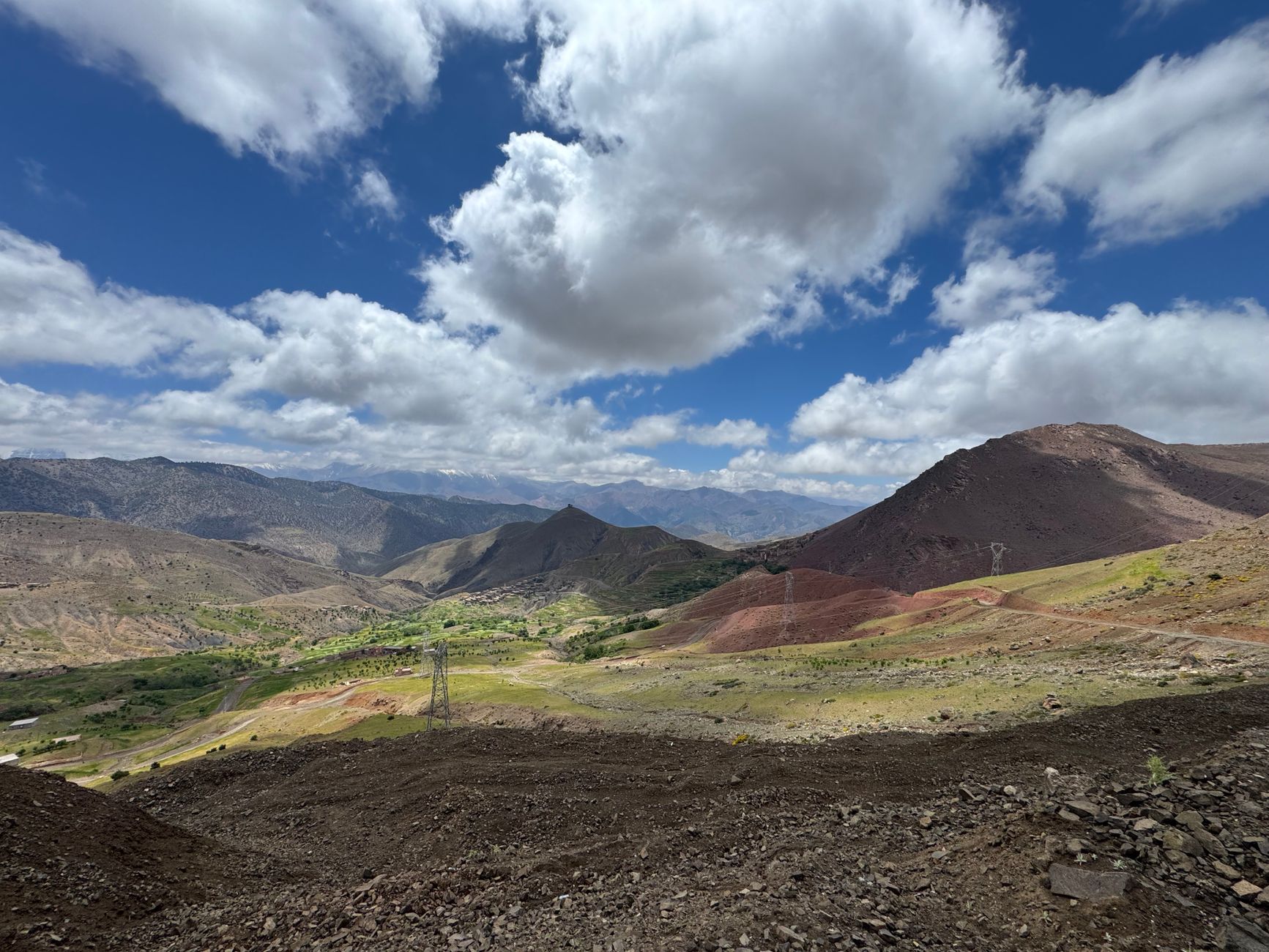
Serpentine road cutting through the Dades Gorge

Day 1: over the Tichka, into the gorges

You leave Marrakech early — usually between 7 and 8am — and climb straight into the High Atlas on the Tizi n'Tichka, a hairpin road that gains 2,260 metres and is the most dramatic hour of the trip. At the far side sits Aït Ben Haddou, the mud-brick ksar from every film ever shot in Morocco; expect an hour there, and expect the climb up to be relentless in summer.

From there the road drops into the Valley of a Thousand Kasbahs and the town of Ouarzazate — the studios are a guided-tour stop, skippable if you are not interested. The afternoon follows the Rose Valley (Kelaat M'Gouna) into the Dades Gorge, where you sleep. By dinner you have been in the car since dawn, and the temperature will have dropped fifteen degrees.

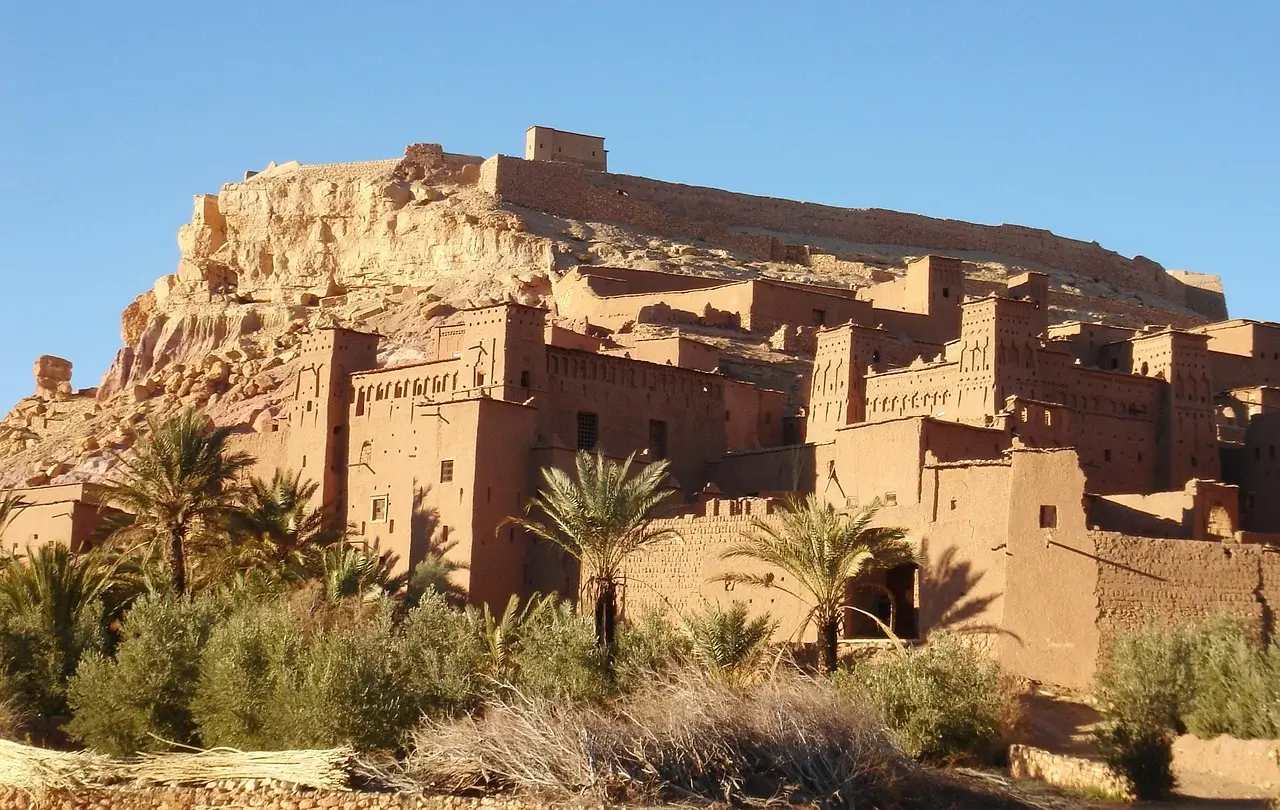
The mud-brick ksar of Ait Ben Haddou

Day 2: Todra, Erfoud, and the night in the dunes

Day two is the one people remember. The morning runs along the Dades and then up through the Todra Gorge, where 300-metre limestone walls close in around the road — stop at the car park and walk into the canyon properly rather than photographing it through a window.

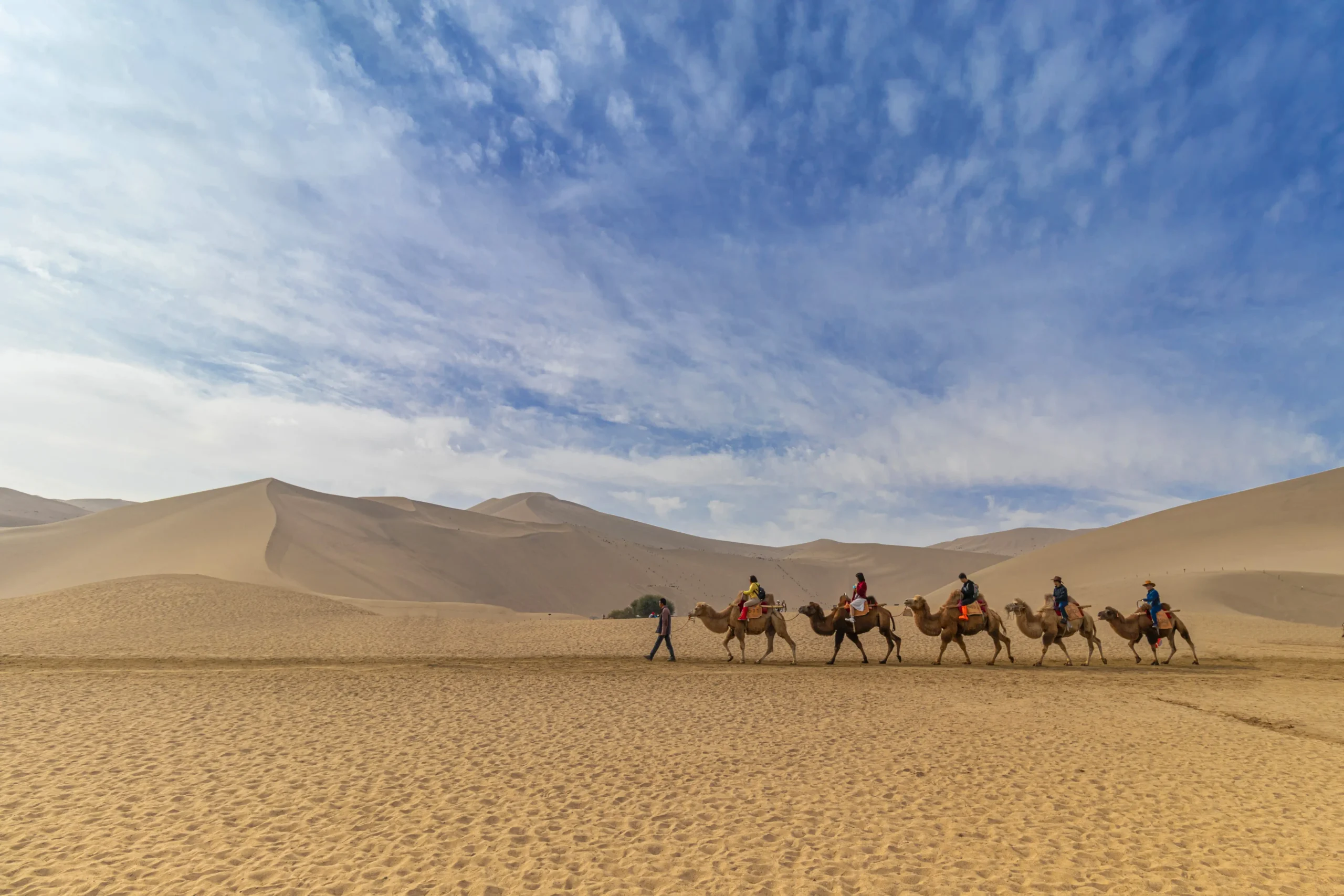
After lunch the landscape flattens into the pre-Sahara: palm groves, fossil workshops in Erfoud, then Merzouga and Erg Chebbi. Most tours swap the 4x4 for a camel for the last hour into the camp — yes, it is slow, and yes, that is the point. You arrive as the light goes gold, eat, and sit on the dunes while someone plays a krakeb and a guitar badly, on purpose. The stars are the reason people come back.

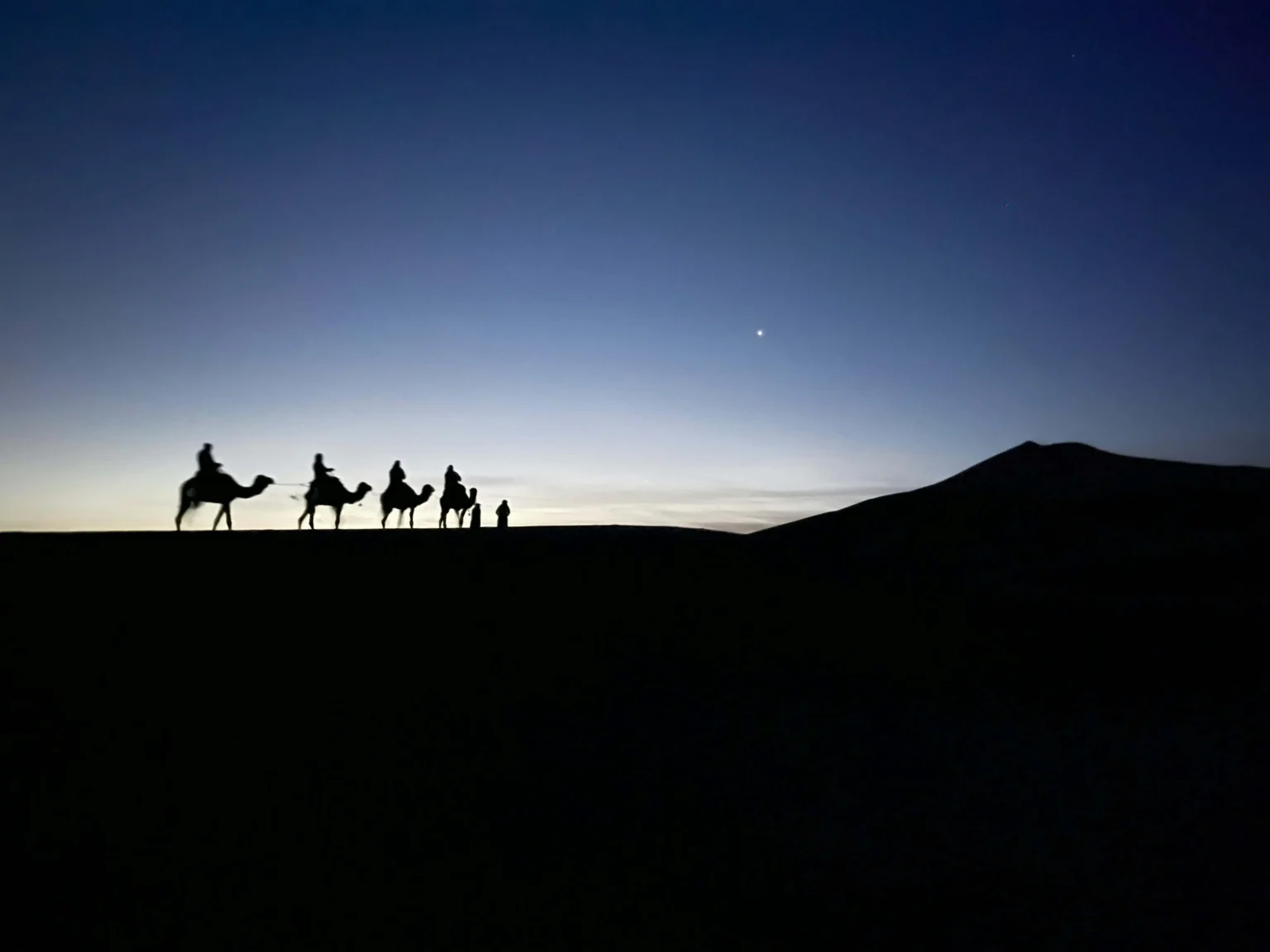
Camel trek heading into the Sahara dunes

Day 3: sunrise, then the long way back

Camps are wired for it: someone walks you up a dune before dawn to watch the sun come up over Erg Chebbi. It takes twenty minutes and it is worth every one of them.

Then comes the part nobody brochures — the drive home. To Marrakech it is ten to twelve hours with stops, arriving late and exhausted; that is the standard package and most people accept it. The smarter variant is the one-way route: finish the desert and continue north through Midelt and the Ziz valley to Fez, which turns day three into a scenic transfer instead of a marathon. If your flights allow it, choose the one-way and fly out of Fez or Casablanca. If you are loop-bound, at least insist on a second driver or a smaller day-three itinerary.

How to choose a tour (and what it should cost)

Prices cluster in a narrow band, and suspiciously cheap is the thing to avoid — a 600-dirham three-day trip pays for itself in commissions, shop stops and a camp with no hot water.

  • Shared 4x4 or minibus: roughly 1,500–2,500 dirhams (€140–230) per person, two nights half-board included.
  • Private vehicle: 4,000–7,000 dirhams for the car, split across your group — worth it from four people up.
  • Ask before paying: is the camp private or shared, does the room have air conditioning in the Dades night, and is the camel trek included or a 150-dirham extra.
  • Count the shop stops: one leather/tannery or carpet cooperative is normal; four means you are the product.
  • Read the day-three section of any itinerary before booking — a trip can be excellent and still end with a punishing drive nobody mentioned.
Luxury desert camp in the Sahara

What to pack, and the mistakes to avoid

The desert does the rest of the work for you, if you show up prepared. The differences between a good trip and a great one are almost entirely in the bag you bring.

  • Layers, seriously: 40°C at midday, 5°C on the dunes at 5am. A fleece and a scarf solve both.
  • Closed shoes for camp: sandals fill with sand in ten metres; hot sand at noon is not a joke.
  • Small bills for tips: drivers, camel guides and camp cooks all run on 20-dirham notes.
  • Cash for the stops: fossils, argan oil and rugs are cash-only outside the big cities.
  • Barefoot on the dunes: climb the steep face without shoes — boots on sand slopes slide you backwards.
  • Power bank, not charger: camp electricity is solar and finite; you will want photos at 6am.

Begin your adventure

Your dream Morocco trip starts here

Tell us where you want to go, when, and at what pace — we’ll craft a tailor-made itinerary with private transport, hand-picked riads and local guides.