Skip to content
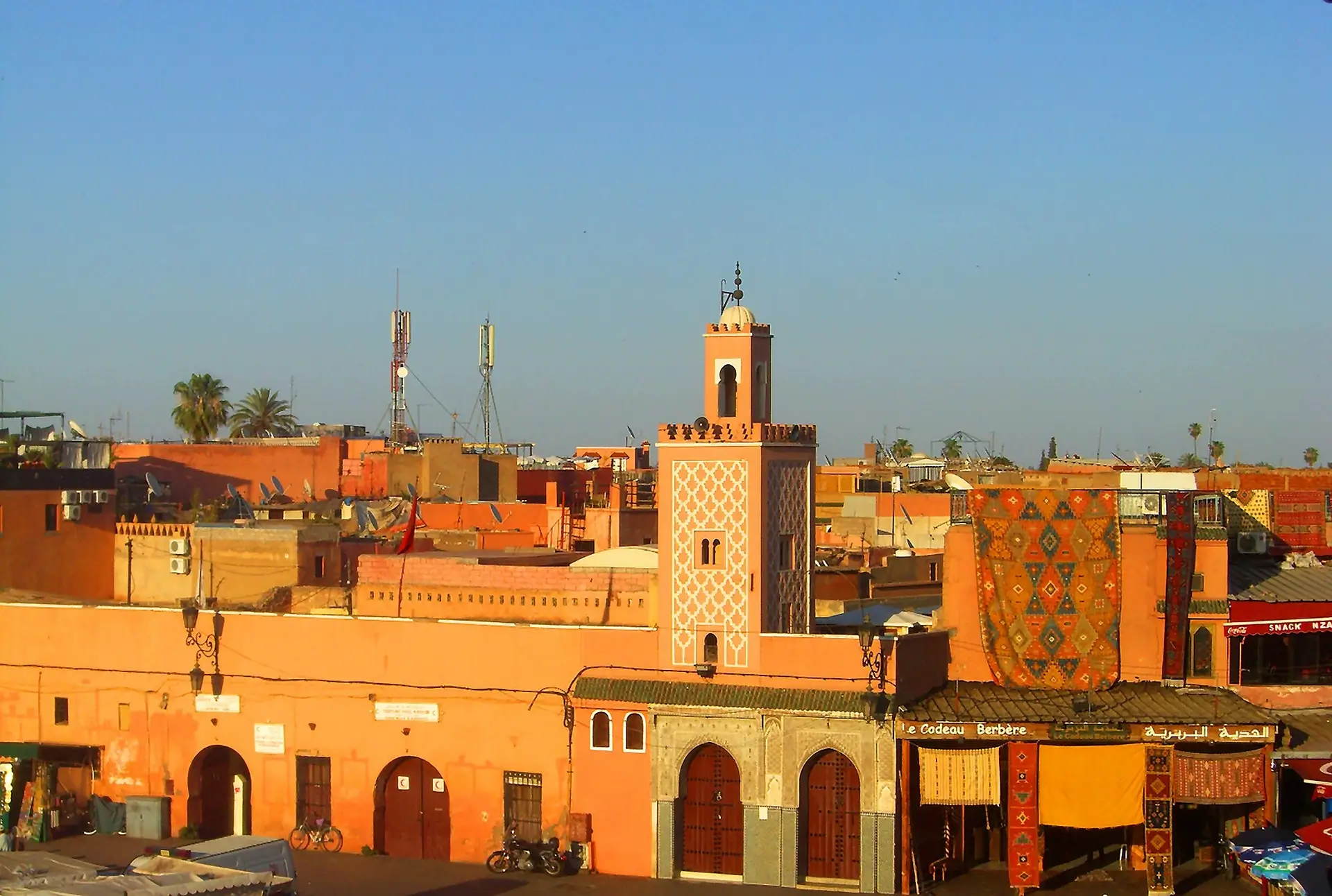
Marrakech at the start of a fourteen-day Morocco itinerary
Itineraries

14-Day Morocco Itinerary: Cities, Desert & Coast

Fourteen days is where Morocco stops feeling like a checklist. This loop adds a second night in the Sahara, an overnight above the Dades, two full days in Fes and a finish on the Atlantic at Essaouira, with real drive times and the long legs split.

Eddyafa Travel
Journal
In this article8 min read

How This 14-Day Route Differs From 7 and 10 Days

Two weeks is the first amount of time that lets the south, the north and the coast sit in one trip without feeling like a checklist. The 10-day route already reaches Fes and Chefchaouen; the four extra days here buy a second night in the Sahara, a proper overnight in the Dades, a calmer run at Fes and the Atlantic coast at Essaouira on the way home.

The trade-off is honesty about the map. This is still a loop of roughly 1,800 km by road, and days three, five and seven are real driving days. Each of them is a single long leg, with the rest stops placed where they matter rather than squeezed in at dusk.

  • Fly in: Marrakech (RAK). Fly out: Marrakech, or, on the one-way version below, Tangier (TNG) or Casablanca (CMN).
  • Nights: Marrakech 3, Ouarzazate 1, Dades 1, Merzouga 2, Midelt 1, Fes 2, Chefchaouen 1, Rabat 1, Essaouira 1.
  • Adds over 10 days: a second desert night, the Dades overnight, the Essaouira coast and a slower Fes.
Days 1–2: Marrakech, at an Easy Pace

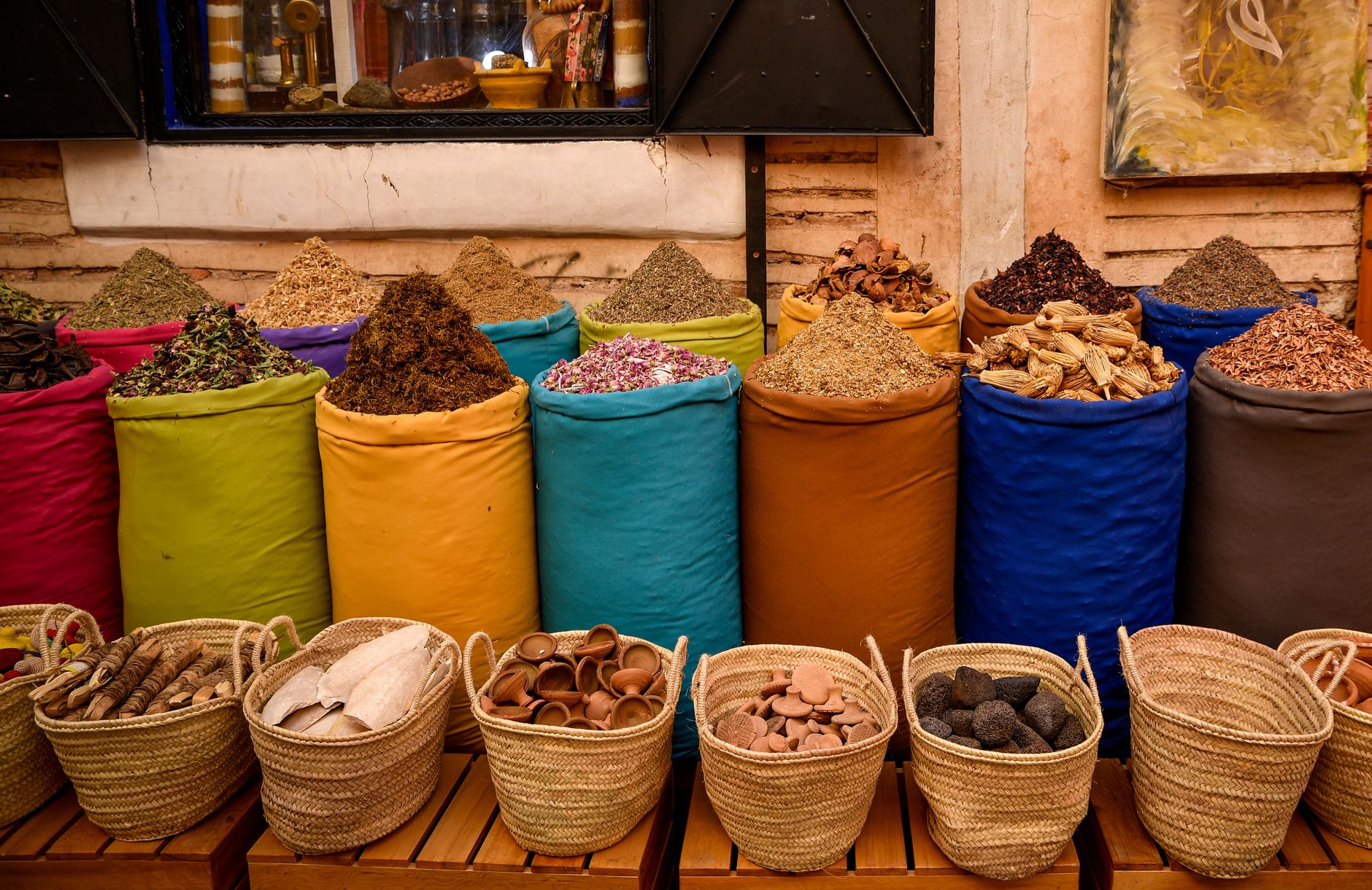
Start with two nights inside the medina and no fixed plan for the middle of either day. Jemaa el-Fna works an hour before sunset and again after dark, when the food stalls take over; the souks and the Bahia Palace fill a morning; Majorelle Garden and a terrace over the Koutoubia fill a second afternoon.

If jet lag leaves you restless, the Ourika Valley is an easy half-day out, a driver, a river, a long lunch in a Berber village, and it previews the mountains you cross on day three. This is also where you confirm the desert camp, buy a SIM card and draw cash for the south, where ATMs thin out.

  • Sleep: a riad inside the walls; taxis stop at the gate and your bags are carried the last metres.
  • Book now: the desert camp, and the car or driver you will need from day three.
  • Easy trip: the Ourika Valley, roughly an hour up the valley road from the city.

Day 3: Tizi n'Tichka, Aït Ben Haddou and Ouarzazate

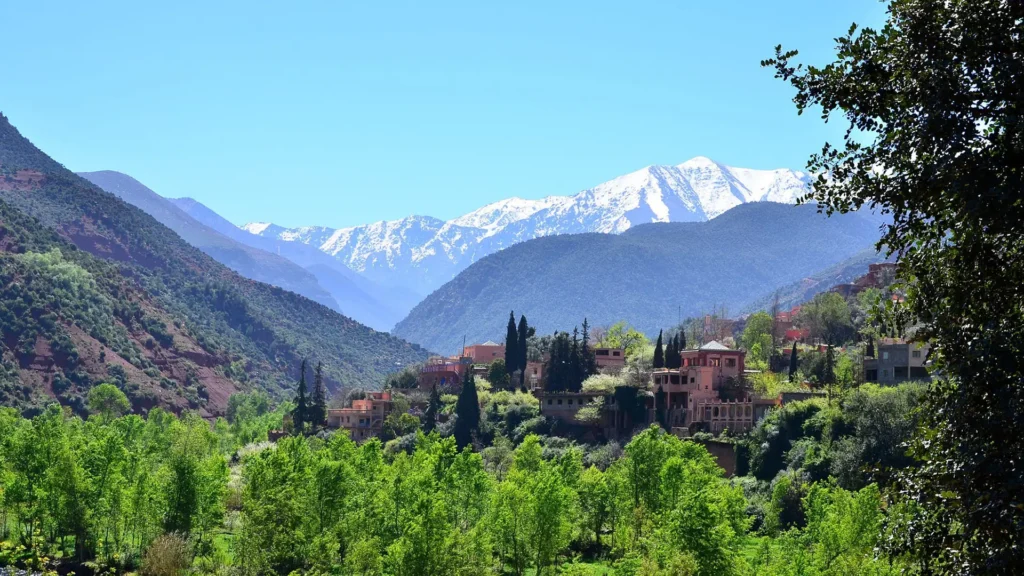
Leave Marrakech early for the Tizi n'Tichka, the 2,260-metre pass that carries the main road over the High Atlas. The climb is slow, the hairpins come in a long run, and the landscape turns from orchards to bare rock without warning; pull over at the top for the last look back before the descent into ochre country.

Aït Ben Haddou, the UNESCO-listed ksar, sits about 190 km from Marrakech, three and a half to four hours with stops. Walk through the gate and climb to the granary instead of photographing it from the road. Ouarzazate, a short drive beyond, is the sensible first night.

  • Distance: about 190 km, 3.5–4 hours with stops.
  • Optional detour: the ruined kasbah at Telouet, a rough hour off the main road.
  • Sleep: Ouarzazate, so tomorrow's run to the Dades stays short.
The High Atlas mountains crossed on the way to Aït Ben Haddou

Day 4: The Valley of the Roses and Dades Gorge

East of Ouarzazate the road runs through the Valley of the Roses, where in mid-April the harvest turns Kelaat M'Gouna into a market of rose water and soap. Then the Dades gorge opens and the famous switchbacks climb the far wall, the ones on every Morocco poster.

This is the day to slow down. About 150 km from Ouarzazate to Boumalne Dades, three to four hours with stops, and no reason to hurry. Drink tea at the viewpoint, walk a stretch of the gorge floor, and sleep in Boumalne or above the Dades itself.

  • Distance: about 150 km, 3–4 hours.
  • In season: the rose harvest around mid-April; outside it, the bare valley still carries the day.
  • Sleep: Boumalne Dades, or a guesthouse looking over the gorge.

Days 5–6: Todra Gorge and Two Nights at Erg Chebbi

Day five starts with the short hop to the Todra Gorge, where the road narrows between 300-metre limestone walls about 15 km from Tinghir. Then comes the long, open run to Merzouga, roughly 200 km and four hours, and the moment Erg Chebbi's dunes appear on the horizon.

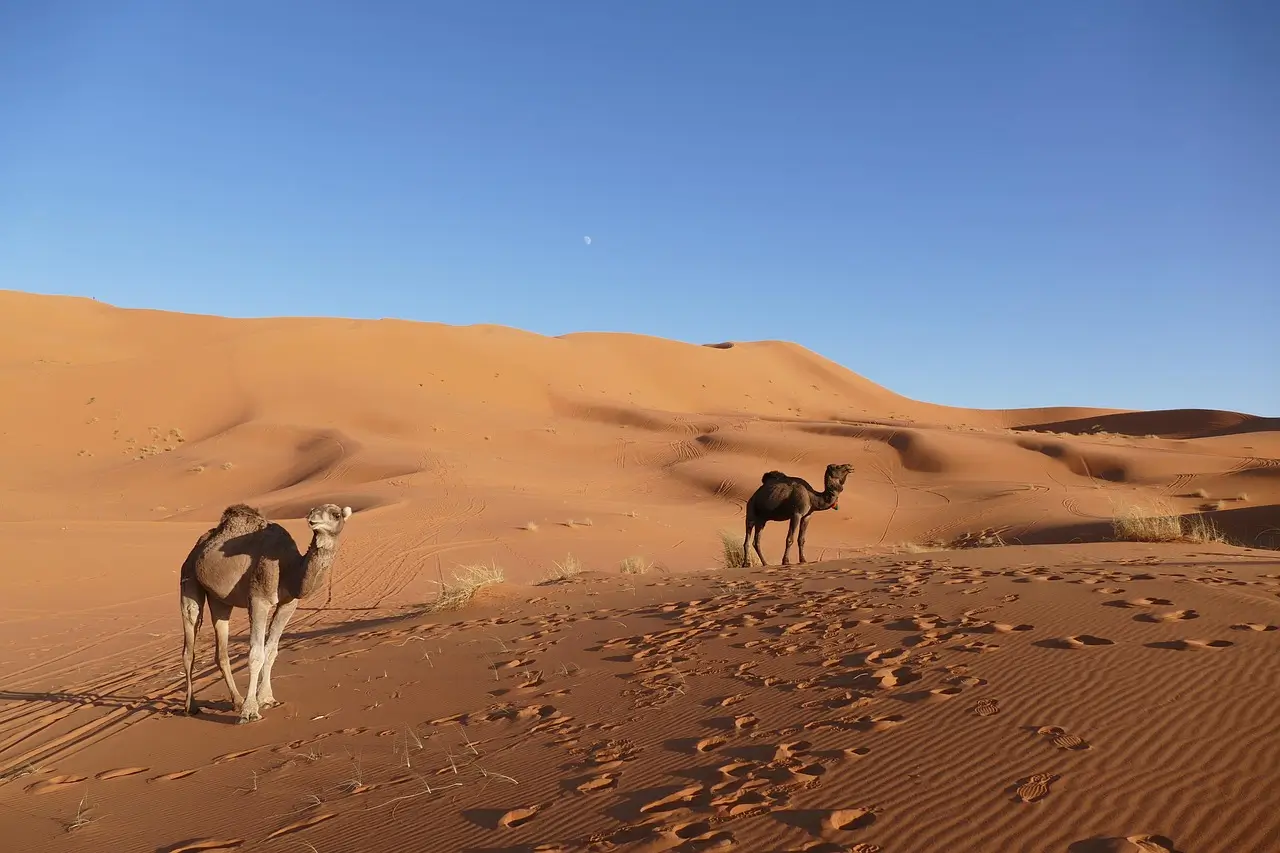
Leave the car at Merzouga or Hassi Labied and take a camel or a 4x4 the last stretch to camp. Two nights here is the biggest upgrade over the shorter routes: the first night is sunset, the fire and the stars; the second is a full day to slow down, Khamlia's Gnawa music, the Dayet Srji lake when it holds water, the fossil workshops of Rissani and Erfoud.

  • Distance: Todra to Merzouga about 200 km, 4 hours.
  • Book: the camp directly, and ask how far it sits inside the dunes.
  • Pack: warm layers for the night, a scarf, a headtorch.
The Merzouga dunes at Erg Chebbi

Day 7: Down the Ziz Valley to Midelt

This is the leg that punishes anyone who tries to do it in one push. Merzouga to Fes is 460–470 km and seven to eight hours of pure driving; the 7- and 10-day routes compress it into a single exhausting day. Here it gets split.

Follow the Ziz north through Erfoud and Errachidia, where the palms run for kilometres, then climb to Midelt at about 1,500 metres. Tonight's stop is unglamorous and exactly right: a cool evening, an early dinner and only three and a half hours to Fes tomorrow.

  • Distance: about 270 km, 4.5–5 hours.
  • Stop: the Ziz Gorges viewpoint above the Tunnel du Legionnaire.
  • Sleep: Midelt, the natural halfway split.

Days 8–9: The Middle Atlas to Fes

Day eight crosses the Middle Atlas: the cedar forest near Azrou, where Barbary macaques wait at the roadside, and Ifrane, the alpine-looking town the French built at 1,700 metres. Arrive in Fes by mid-afternoon, about 200 km and three and a half hours, and keep the evening light.

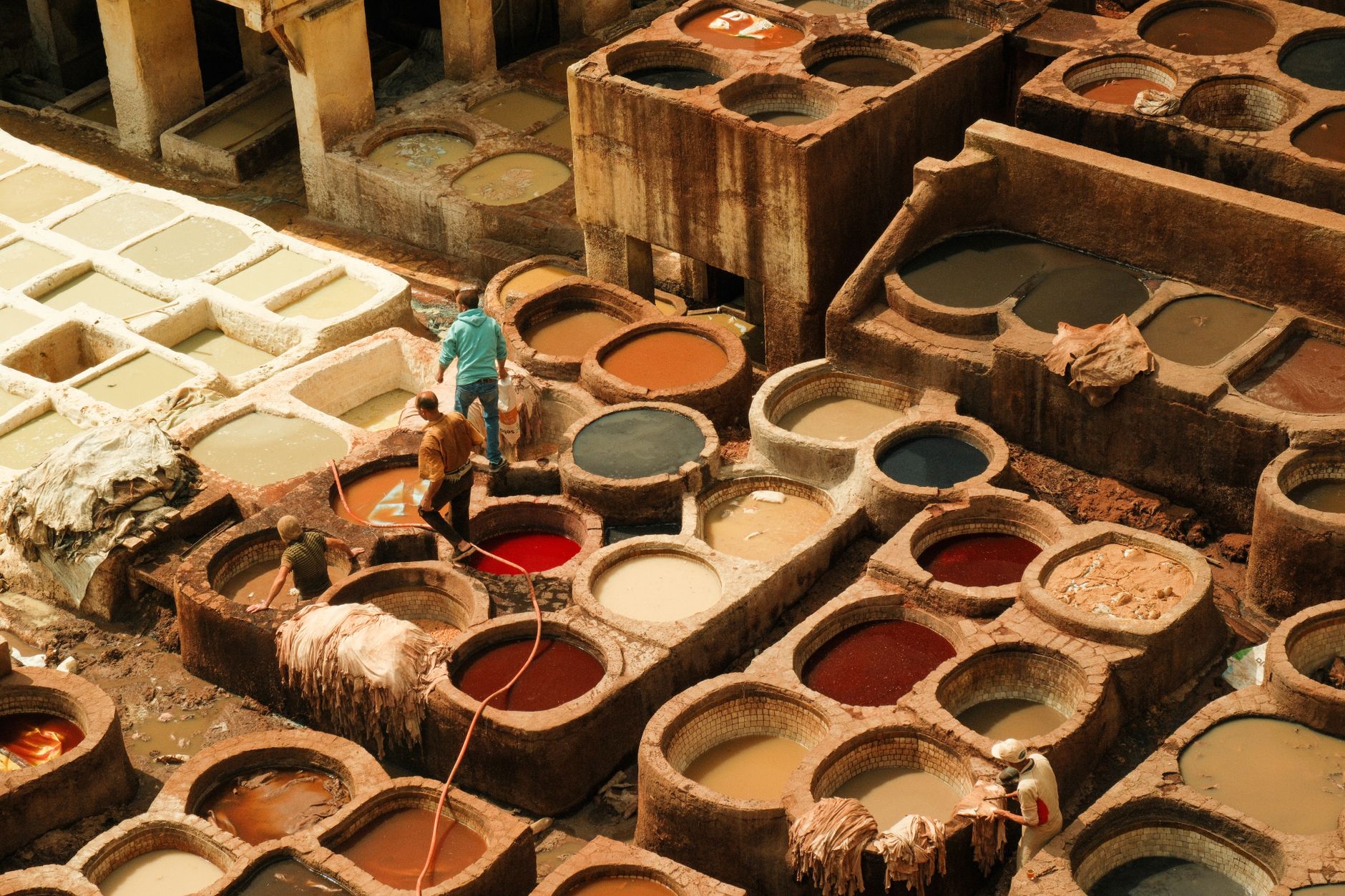
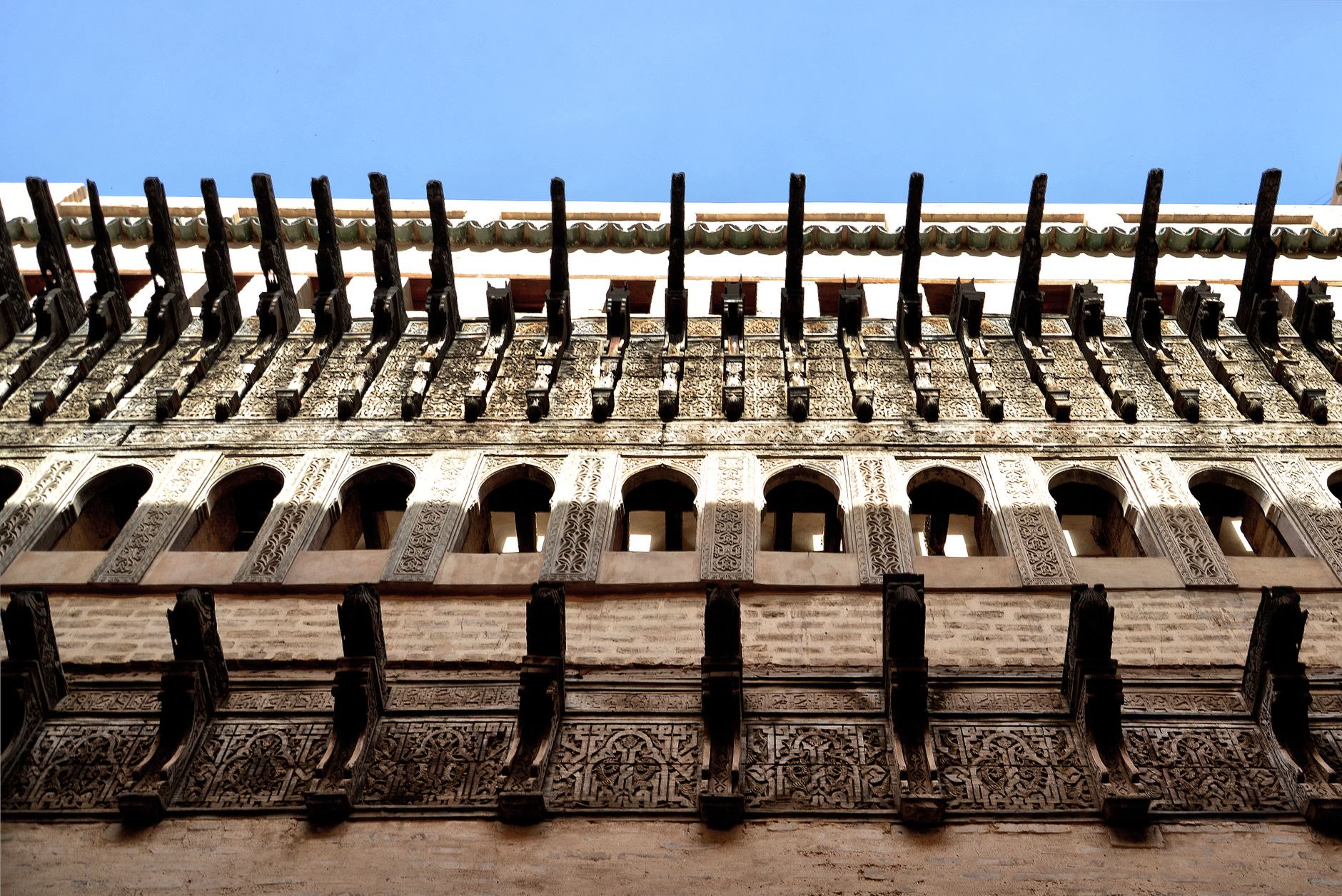
Day nine belongs to Fes el-Bali, the largest car-free urban area in the world. Take a licensed guide for the first few hours to find the madrasas, the Chouara tannery and the Qarawiyyin courtyards, then lose the guide on purpose and spend the afternoon getting nowhere in particular.

  • Distance: Midelt to Fes about 200 km, 3.5 hours.
  • In Fes: the two nights the 7-day route cannot afford.
  • Book: a licensed guide for the medina, not a self-declared one.
The medina of Fes

Days 10–11: Chefchaouen and the Rif to Rabat

The drive to Chefchaouen is about 200 km and three and a half hours, the last stretch folding into the Rif mountains. The blue town is small, and that is the point: climb to the Spanish Mosque for sunset, eat on Place Outa el-Hammam and photograph the empty lanes early the next morning.

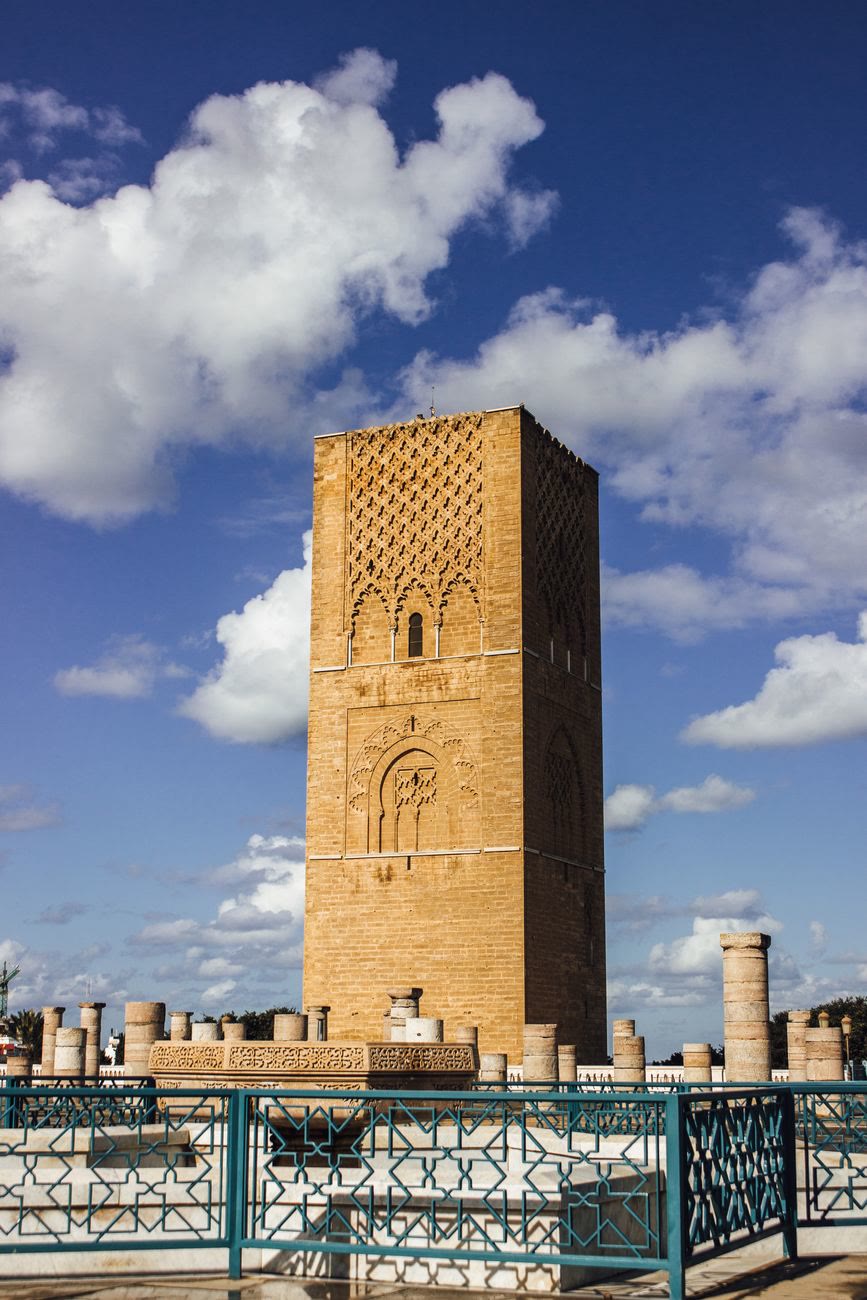
From Chefchaouen it is roughly 245 km and three and a half to four hours south to Rabat. The capital is the calmest city on the route, the Hassan Tower, the mausoleum of Mohammed V and the Kasbah of the Udayas, and a good place to hand back the car before the train south.

  • Fes–Chefchaouen: about 200 km, 3.5 hours.
  • Chefchaouen–Rabat: about 245 km, 3.5–4 hours.
  • Nights: one in each; both towns deserve the evening, also the stop.

Days 12–14: Casablanca, Essaouira and Back to Marrakech

On day twelve, swap the car for the train. Rabat to Casablanca takes under an hour, and Casablanca to Marrakech another two hours forty minutes. That leaves the morning for the Hassan II Mosque, the one in Morocco open to non-Muslim visitors outside prayer times, with guided tours, and Casablanca's old medina before the ride south.

The last two days are the Atlantic coast. From Marrakech it is 175 km and about two and a half hours on the N8 to Essaouira, a walled port town of wind, gulls and a long, wide beach. Stay the night, eat grilled sardines by the harbour, then drive back to Marrakech the next day for the flight home.

  • Trains: Rabat–Casablanca under 1 hour; Casablanca–Marrakech about 2h40. Al Boraq runs Tangier–Casablanca only, not to Fes or Marrakech.
  • Marrakech–Essaouira: 175 km, 2.5–3 hours, no mountain pass and no toll.
  • Finish: fly out of Marrakech (RAK); allow an evening flight or one last night.

If You Have Only 10 Days; or Want a One-Way Trip

Four days can come out without touching the spine of the trip. Drop the second Merzouga night, merge Merzouga to Fes into one long driving day the way the shorter routes do, and cut the Essaouira coast. That is the 10-day plan: Marrakech, the south, Merzouga, Fes, Chefchaouen and Rabat, out through Casablanca (CMN).

The alternative to the loop is a one-way route that ends in the north. Keep everything as it is until Chefchaouen, then drive the two hours to Tangier instead of turning south, and fly home from Tangier (TNG), which removes the long return to Marrakech altogether.

  • Cut first: the second desert night.
  • Then: the Midelt overnight, but expect a 7–8 hour driving day.
  • North finish: Chefchaouen to Tangier is about 110 km, 2–2.5 hours.

When to Go, What to Book, Driver or Rental

Spring (March to May) and autumn (September to November) are the two windows that suit the whole route: the gorges are walkable, the dunes are not an oven and the coast is mild. July and August are hard in the desert, and December and January are cold at night in the Atlas and the Sahara.

The desert camp is the one booking that genuinely sells out, so fix it first, then the riads in Marrakech and Fes. A rental suits confident mountain drivers; a private driver costs more but removes the passes, the parking and the argument at every kasbah gate, and knows which gorge road the last rain took out.

  • Reserve first: the desert camp, then riads in Marrakech and Fes.
  • Pack for three climates: desert heat, mountain nights, coastal wind.
  • Check dates: Ramadan shifts restaurant hours; the rose harvest is mid-April.
  • Rather not plan it alone?: this route also runs as a private tour with driver and guide.

Begin your adventure

Your dream Morocco trip starts here

Tell us where you want to go, when, and at what pace, we'll craft a tailor-made itinerary with private transport, hand-picked riads and local guides.