Skip to content
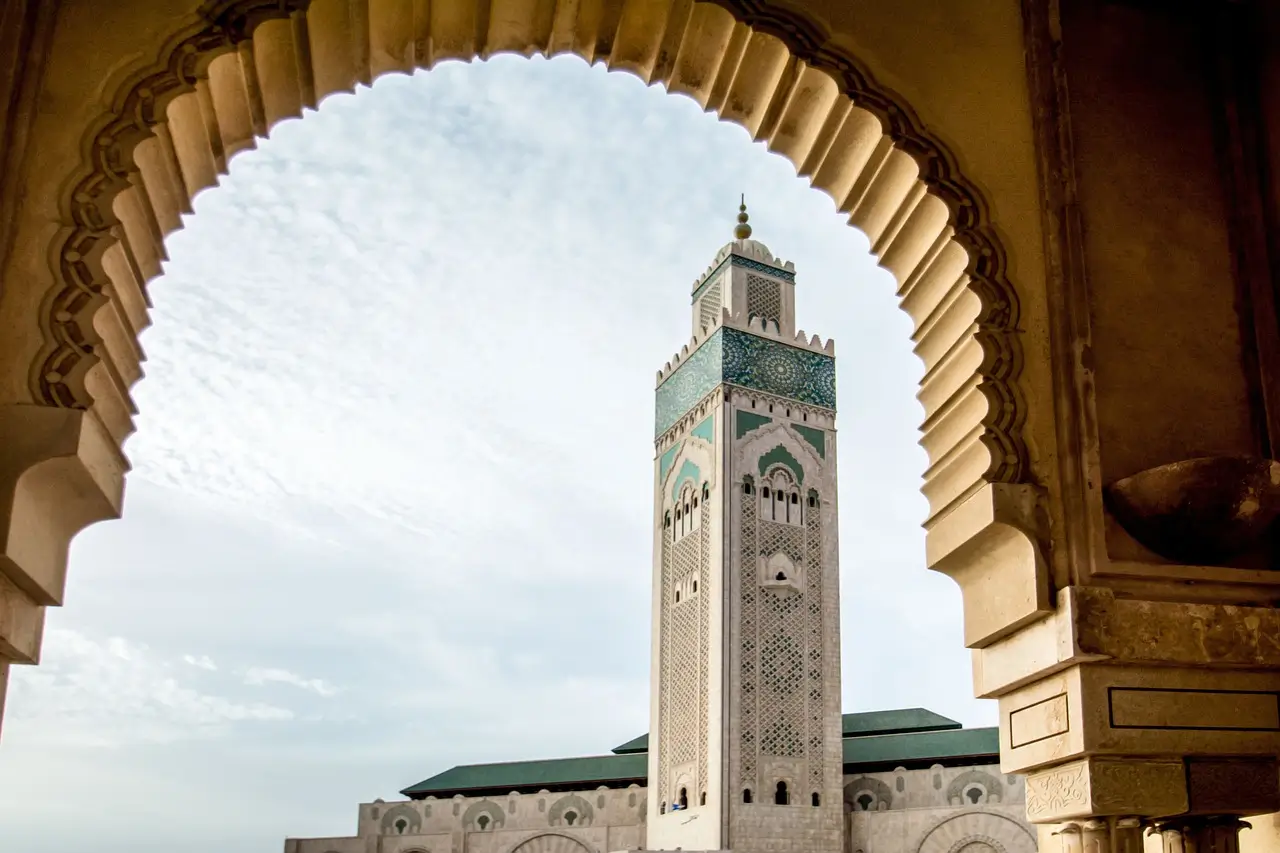
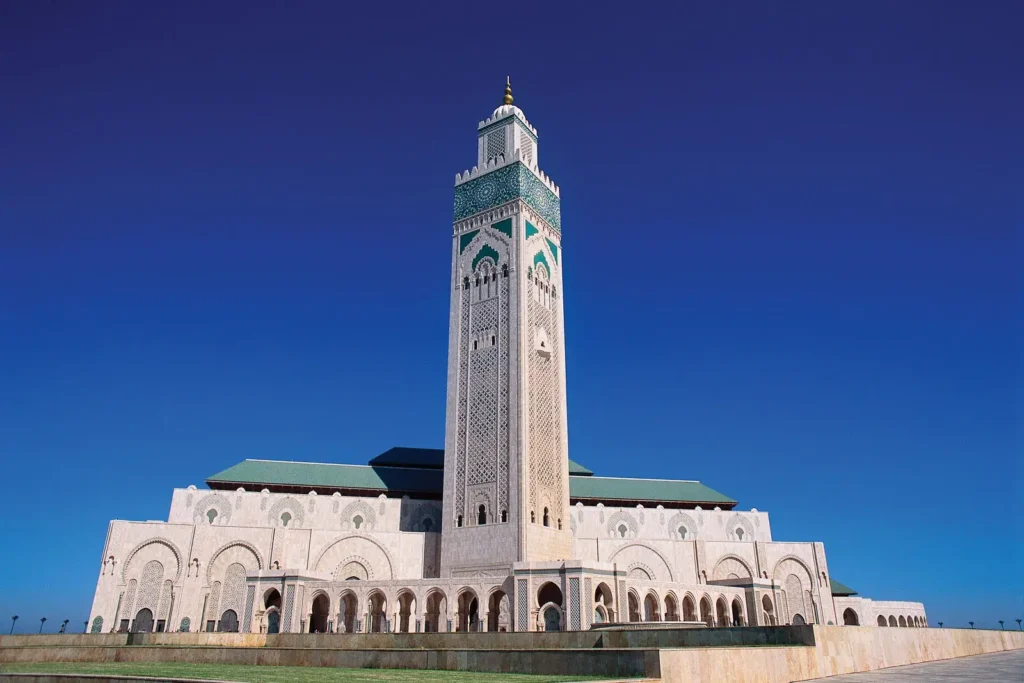
Hassan II Mosque on the Atlantic shore of Casablanca
City Guides

Casablanca Travel Guide: What to See, Do and Eat

Morocco's largest city is not a postcard — it is the country's business face, turned to the Atlantic, with the tallest minaret in the world on its shore. Give Casablanca half a day or a full one and it rewards you with sea air, Art Deco streets and the best fish in the country.

Eddyafa Travel
Journal
In this article5 min read

Why Casablanca is worth more than a layover

Most visitors meet Casablanca only in transit — Mohammed V airport, then the train to Marrakech. That is a missed opportunity, because the city holds the single most impressive piece of architecture on Morocco's coast and a downtown that looks like 1935 never ended.

It also works in your favour logistically: international flights land here, the airport is twenty minutes from the centre, and Rabat, Marrakech and the coast road all start from the same place. Treating Casablanca as a real stop instead of a corridor makes the first or last day of any Morocco trip considerably better.
  1. The Hassan II Mosque

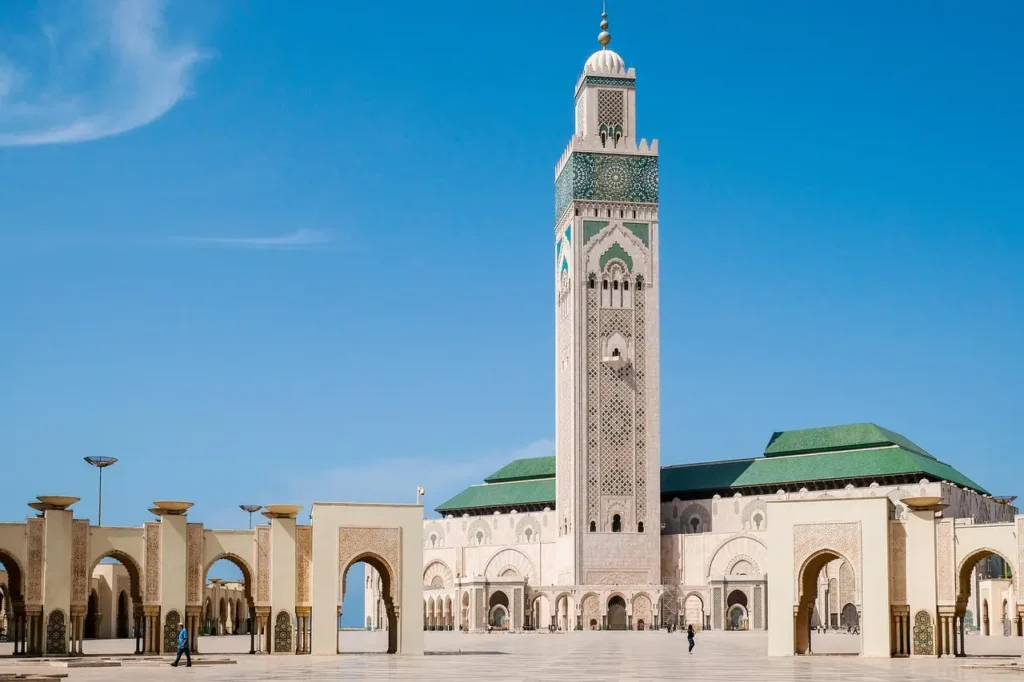
    Finished in 1993 on a platform that reaches out over the Atlantic, the Hassan II Mosque is the landmark people come for: a 210-metre minaret that was the tallest religious structure in the world when it was built, carved stone, zellige floors and a roof that opens.

    It is one of the very few mosques in Morocco that non-Muslims may enter — guided visits run outside prayer times, typically in the middle of the day, and you go barefoot on the marble with the sea wind coming through the doors. Allow an hour, bring a scarf, and check the day's visiting hours when you arrive, since they shift around the prayers.

    Carved details of the Hassan II Mosque in Casablanca
  2. The Corniche and Ain Diab

    West of the centre, the coast road runs along the Corniche: cafés facing the surf, the marina, and Ain Diab's strip of restaurants where the city comes out on a warm evening. The water is cold and the swimmers are serious — this is a working Atlantic beach, not a resort.

    Walk it late afternoon, when the light goes gold over the breakwater and the fishing boats come in. It is the easiest half-hour in the city, costs nothing, and is the view that reminds you Casablanca was built facing an ocean.

  3. The Art Deco centre and Place Mohammed V

    Downtown Casablanca was rebuilt in the 1930s and 1940s, and the result is the largest collection of Art Deco architecture in Morocco: curved balconies, tiled pavements, cinemas and banks with cream stone façades. The grid around Place Mohammed V — the law courts, the Wilaya, the cathedral — is where it reads strongest.

    You do not need a guide for this; you need comfortable shoes and an hour. Walk from the square towards the old centre in the morning, when the pavements are shaded and the coffee terraces are full of people who work here rather than people photographing them.

  4. The Habous quarter

    The Habous, or Nouvelle Medina, was designed in the 1930s as a Moroccan-style quarter for the growing city — which means it has the shape of an old medina, the arcades and fountains, but wider streets and a plan that actually makes sense. The French built it; Moroccans made it theirs.

    Today it holds pastry shops that sell by the kilo, olive and charcuterie counters, and a quiet square with a café in the middle. It is five minutes from the centre, twice as calm, and the best place in the city to buy presents without souk negotiation.

    Moroccan mosque and its minaret
  5. The old medina, the port and Rick's Café

    Casablanca's old medina is small and unpolished — 18th-century walls, a maze of working shops, and in the last few years a scattering of street art on the way to the fish market. Come in the morning, when the auction at the port is loud and the day's catch is still on the ice.

    Then there is Rick's Café, the bar from the 1942 film — which never actually existed until someone rebuilt it in 2004, in a riad behind the medina wall, complete with the piano and the striped awning. Whether it is a tourist trap or a charming one depends entirely on the hour you arrive; go at opening, when it is empty and the story lands better.

  6. Eating in Casablanca

    This is a fish city. Near the port and along the Corniche, grilled sardines, sea bream and calamari come to the table for a third of what they cost in a resort town, and the local habit of eating late means kitchens stay warm well into the evening.

    Away from the water, Casablanca's restaurant scene is the most varied in Morocco — French bistros, detour kitchens from the regions, and the brasseries that have been serving the same menu since independence. If you only eat one meal here, make it seafood with a view of the water.

  7. Day trips from Casablanca

    Three good exits, all by train or a short car, depending on how much time you have.

    • Rabat: about an hour by train — the Hassan Tower, the Kasbah of the Udayas and a calmer capital, easy to combine in half a day.
    • El Jadida: under two hours, a Portuguese cistern and sea walls on the coast road, quiet out of season.
    • Marrakech: roughly three hours by train, which is how most trips start or end — the red city on one ticket.
    • Bouznika and the coast north: beach cafés between the two cities if you have a driver and no deadline.

Getting around and where to stay

The tramway crosses the city cheaply and covers the centre, the Corniche and the main stations; petit taxis are red here and run on the meter if you ask for it before you get in. Long-distance trains leave from Casa-Port for Rabat and Casa-Voyageurs for Marrakech and beyond — check which station your ticket uses, because they are not close to each other.

For one or two nights, base yourself near the centre or the Habous: everything above is then a short ride away, and the airport is twenty minutes in light traffic. Casablanca is not where Moroccans send their honeymoon — it is where the country does its business, and once you stop expecting a postcard, it is a very good day out.

  • Money: cards work almost everywhere here — this is the most modern city in the country.
  • Timing: mornings for the medina and port, late afternoon for the Corniche, evenings for the centre.
  • Combine: land, see the mosque, sleep one night, and leave for Rabat or Marrakech the next morning.
  • Dress: business-casual reads correctly in the centre; shoulders and knees covered for the mosque visit.

Begin your adventure

Your dream Morocco trip starts here

Tell us where you want to go, when, and at what pace — we’ll craft a tailor-made itinerary with private transport, hand-picked riads and local guides.