Skip to content
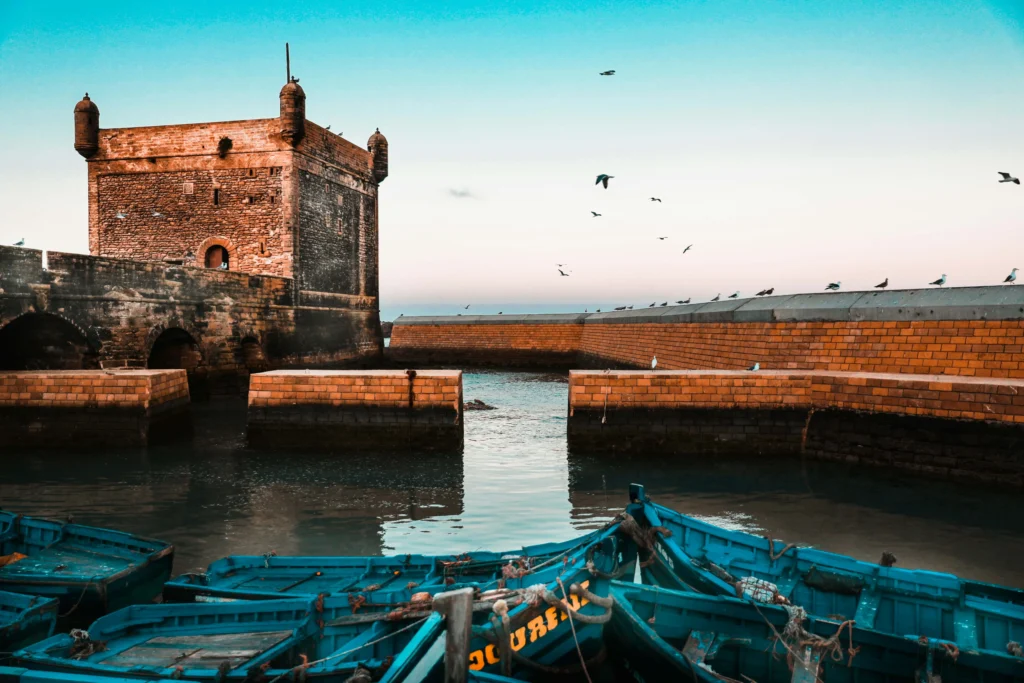
Essaouira seafront ramparts
Coastal Cities

Essaouira Travel Guide: Morocco's Windy White City

One hour and forty-five minutes from Marrakech, the heat breaks, the medina goes blue-and-white, and the Atlantic wind takes over. Here is how to do Essaouira properly — what to see, where to eat the sardines, and when to come.

Eddyafa Travel
Journal
In this article4 min read

Why Essaouira works

Most Moroccan destinations turn up the volume; Essaouira turns it down. The medina is flat, so you walk it without climbing. The wind keeps the temperature ten degrees below Marrakech in August. And the whole town faces the ocean, which changes the light, the food and the pace of everything.

It also sits in a rare sweet spot: small enough to see on foot in a day, substantial enough to stay in for three. Gnawa musicians play in the square, cats own the ramparts, and the fish is landed a hundred metres from where you eat it. For travellers who find Marrakech exhausting, this is the antidote — and it is close enough to slot into almost any itinerary.
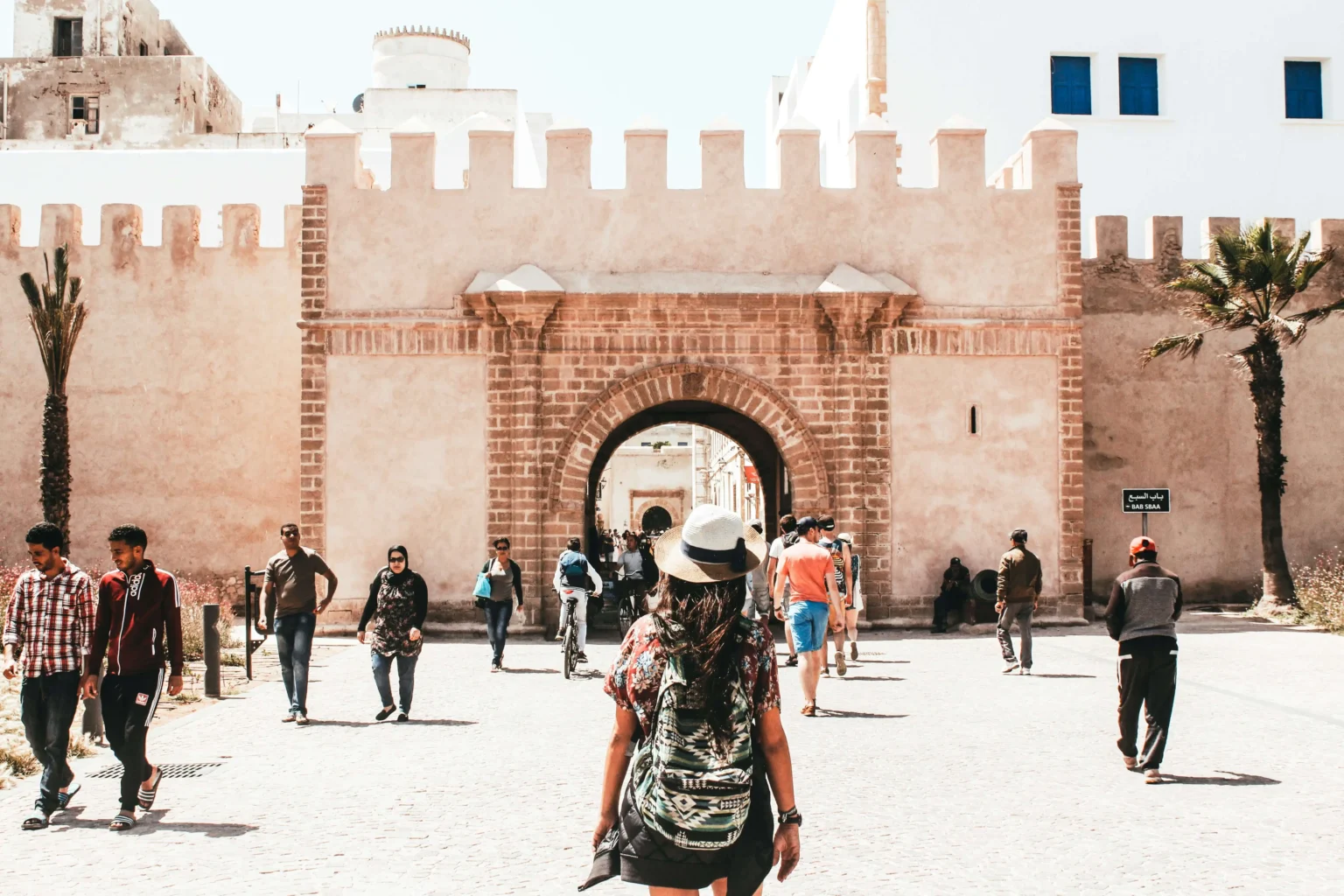
The coastal town of Essaouira

Getting there and getting around

From Marrakech it is 175 kilometres: a shared grand taxi or a private transfer takes about two and a half hours over the Haouz plain, and the buses (CTM, Supratours) run several times daily for a few euros. Some travellers break the journey at Taroudant or continue north to Safi, but the direct run is easy.

Once inside the walls there is no traffic problem — the medina is pedestrian by design, one of the few in Morocco where you can walk the full width without dodging scooters. The port, the Skala and the beach are all within fifteen minutes of any riad. Buggies and horses exist for the lazy, but you will not need them.

The medina, the Skala and the walls

Essaouira's old town is a UNESCO World Heritage site, and unusually for Morocco it was planned rather than grown — an eighteenth-century grid designed by a French architect for a sultan who wanted a modern port. The result is wide straight streets, low white houses and a genuine sense of order.

The landmark is the Skala, the sea-facing bastion where the cannons still point at Portugal. Climb it at the end of the day: the view back over the blue shutters, the gulls and the fishing boats is the photograph everyone comes home with. Then lose yourself in the lanes — thuya wood workshops, weavers, the small souks for spices and slippers, and courtyards that open without warning into gardens.

The beach, the wind and the islands

Essaouira's beach is nine kilometres of hard, wet sand — the kind that takes a horse canter without complaint. It is not a sunbathing beach in the Mediterranean sense; it is a wind beach, which is exactly why kitesurfers and windsurfers treat the bay as a playground. Lessons from the schools on the promenade cost far less than in Europe, and summer's consistent meltem wind makes beginners safe quickly.

Beyond the water: the Îles Purpuraires sit offshore, once the Tyrian purple workshops of antiquity — boats go out for birdwatching and a picnic. South of town the road to Diabat passes the dunes and the ruined palace where Jimi Hendrix reportedly spent an afternoon. Inland, the argan cooperatives let you watch goats climb trees, which never stops being funny.

What to eat (it is all about the fish)

Essaouira is the sardine capital of Morocco, and the routine is simple: buy at the fish market inside the port gate, hand your bag to one of the grills on the wharf, and eat it on a paper plate with cumin and bread fifteen minutes later.

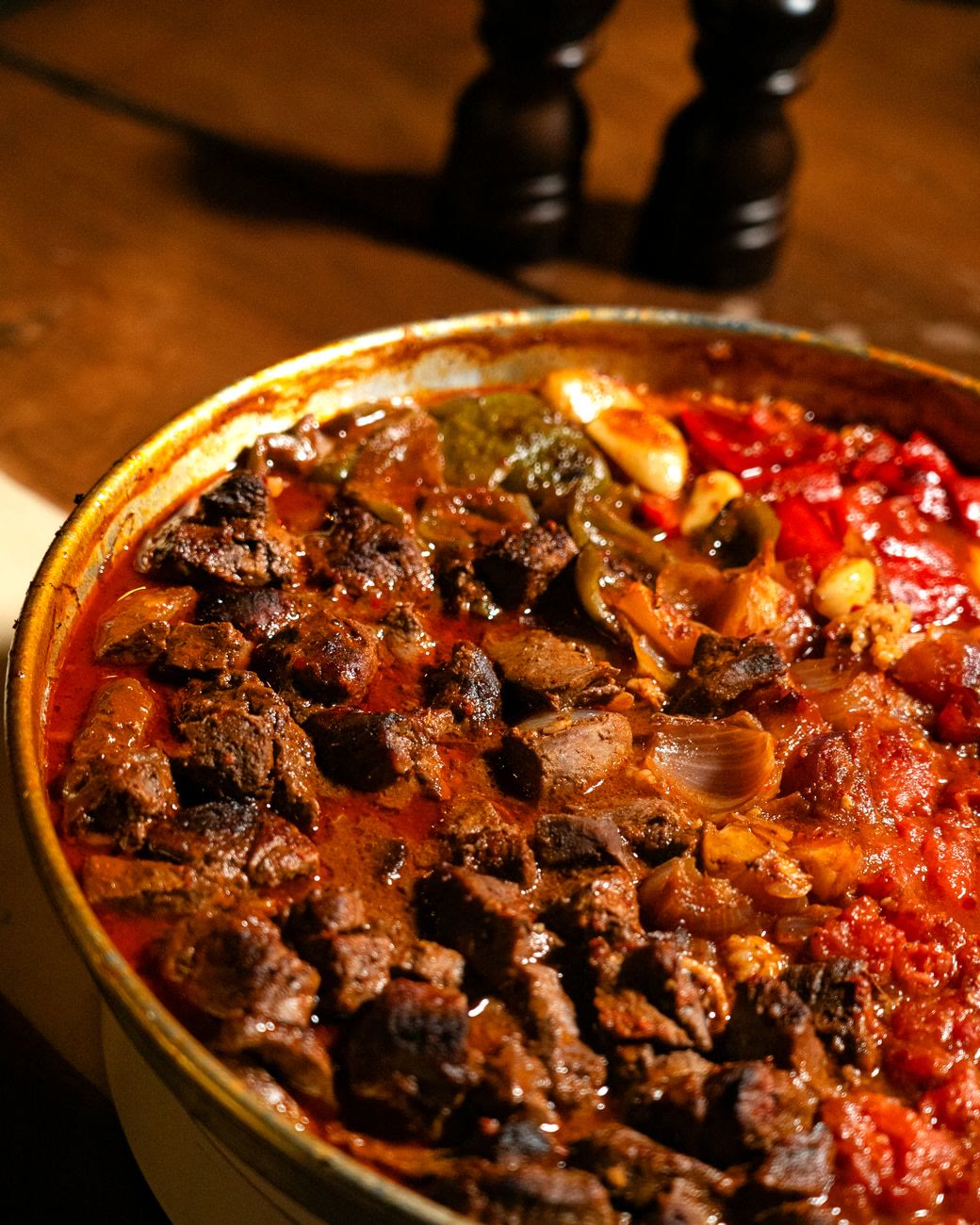
Beyond that, look for ray with chermoula, sea urchins in winter, grilled calamari at the beach shacks, and the harira and msemen stalls that run through the evening in the square. The medina has no shortage of restaurants, but the best value is always within ten metres of the water.

Iconic Moroccan city view

Where to stay and when to come

Sleep inside the walls if you can: a riad with a courtyard roof gives you the medina at night and the ocean roar four streets away. Outside the walls there are resort-style hotels near the beach — fine for families, but you miss the town.

Timing matters more here than elsewhere. April to June and September to October are the sweet spots — warm, windy enough for the beach, and empty. August is cool but crowded with Moroccans on holiday. December to February is genuinely low season: grey, wet and dramatic, and half the price.

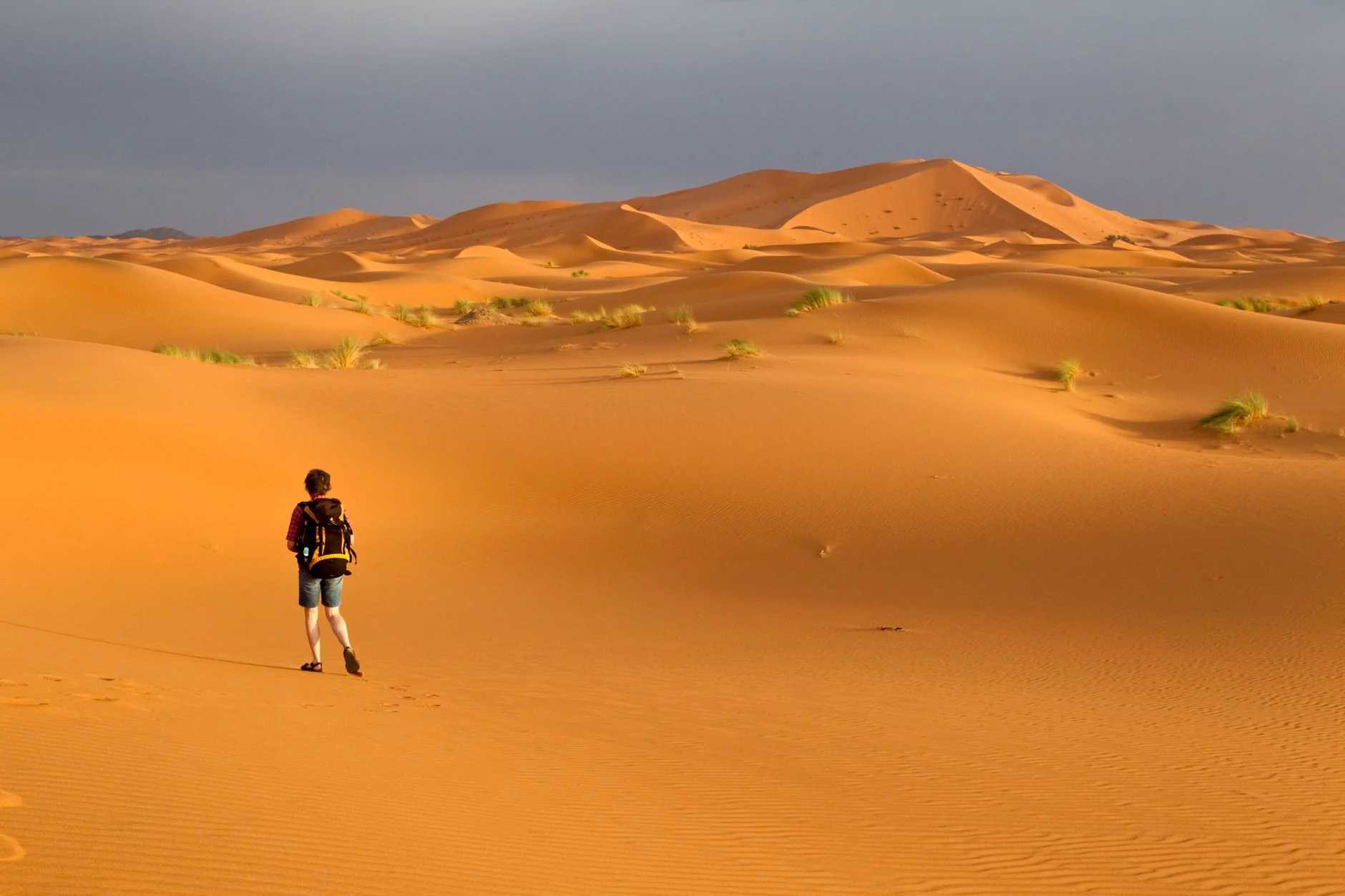
The classic combination is a Marrakech stay with three nights in Essaouira, or the loop that ties the coast to the desert: Marrakech, Dades, the dunes, then back — with Essaouira as the calm ending before the flight home.

Begin your adventure

Your dream Morocco trip starts here

Tell us where you want to go, when, and at what pace — we’ll craft a tailor-made itinerary with private transport, hand-picked riads and local guides.