Skip to content
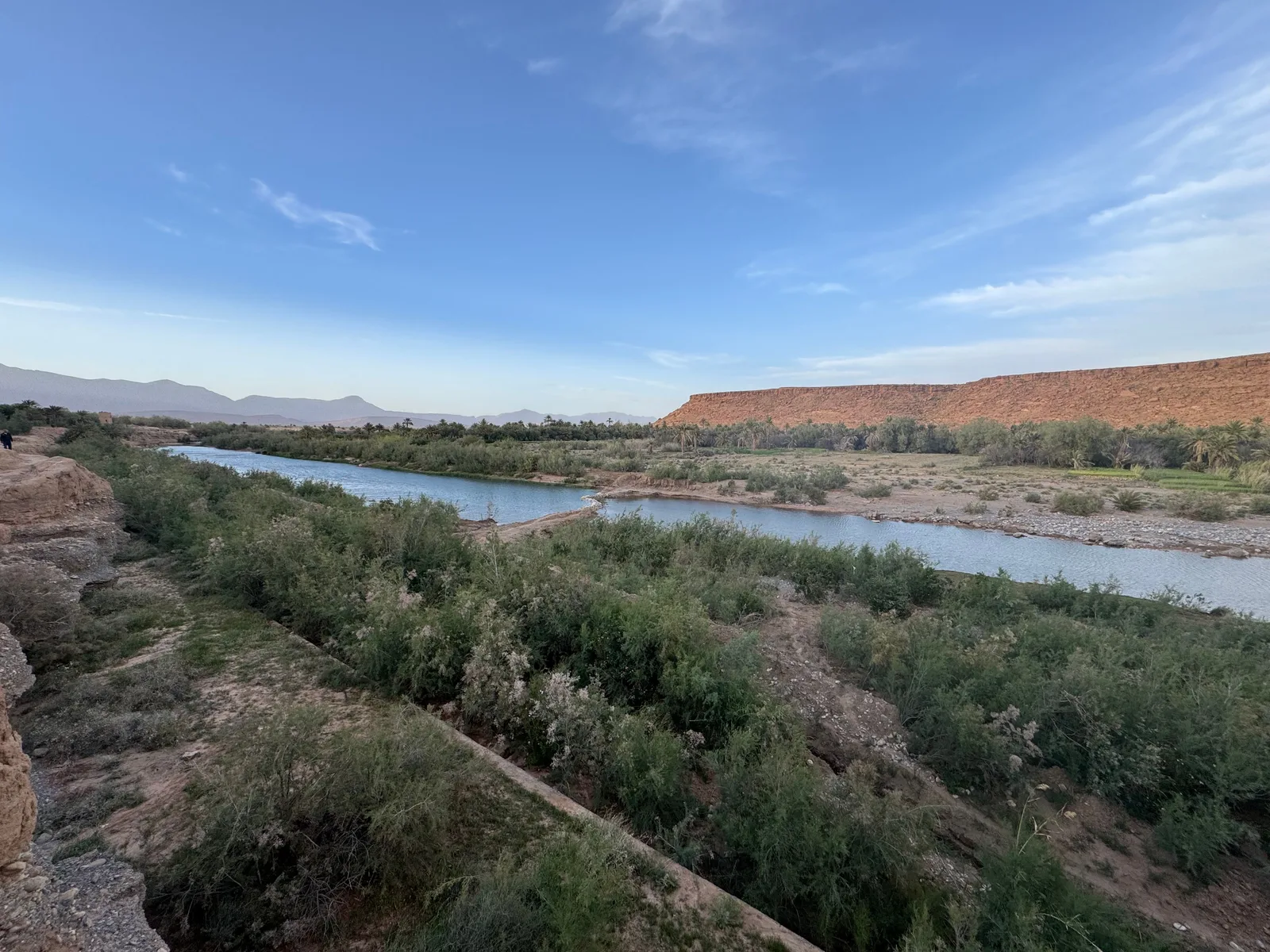
River greenery between desert cliffs in southern Morocco
Travel Guide

Morocco Festivals & Harvest Calendar: Month by Month

Morocco's calendar runs on two clocks: the harvests that follow the seasons and the moussems that follow the moon. Here is what falls in each month, how much notice you really get, and which windows are worth building a trip around.

Eddyafa Travel
Journal
In this article5 min read

Why plan around a festival, and how the dates work

Morocco has two kinds of events, and they behave differently. Harvest festivals follow the weather: a cold snap or a warm week moves them by days, sometimes by two weeks. Moussems, the local religious and trade gatherings, follow the lunar calendar, so their Gregorian dates slide about eleven days earlier every year.

That means you rarely get a firm date more than a few weeks out, and sometimes not until the week itself. If a trip is built around one event, build in slack and confirm locally before you book. If the event is a bonus on a trip you would take anyway, the shifting dates stop being a problem.
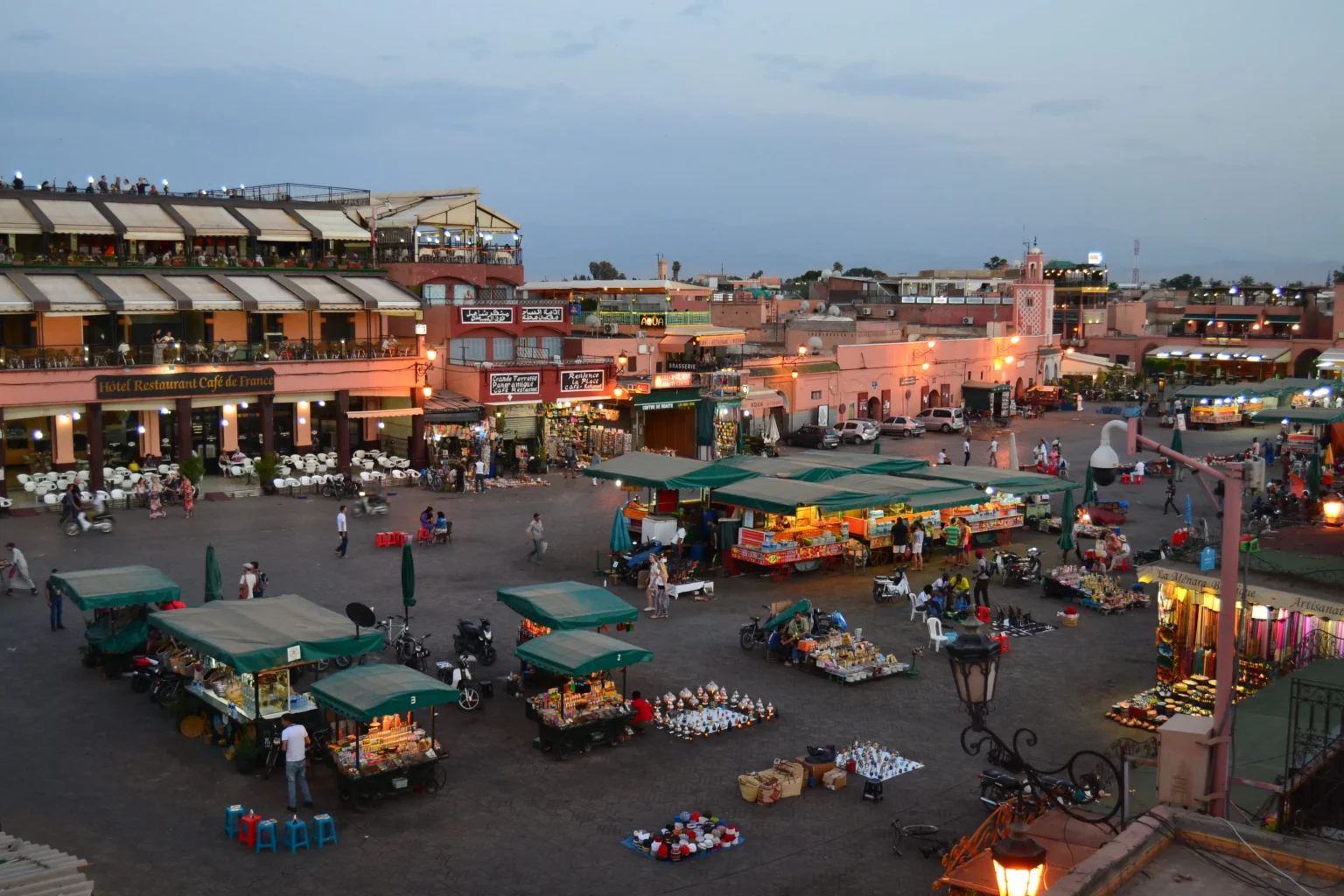
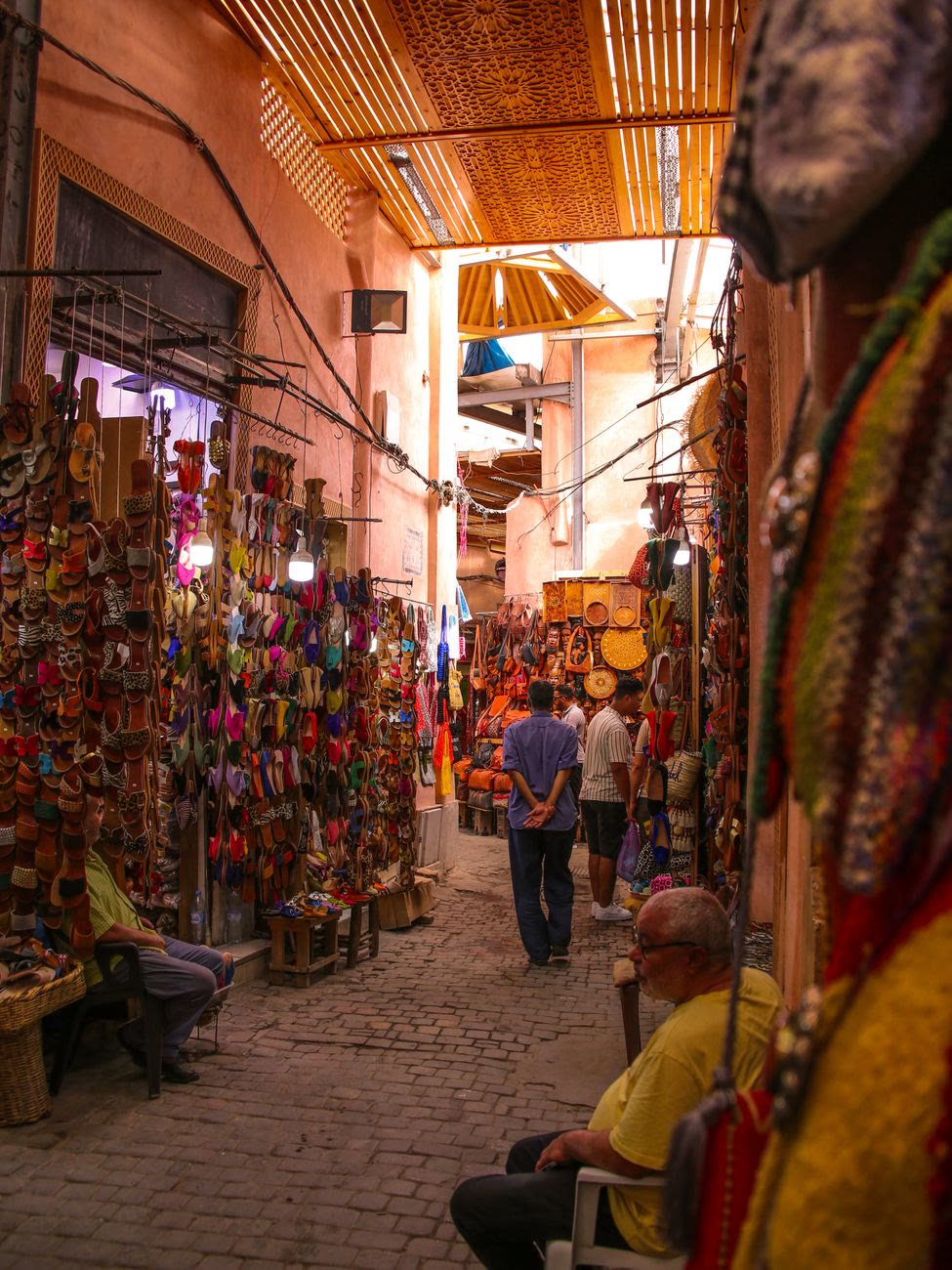
Morocco scenery through the seasons

February: almond blossom in Tafraoute

The Almond Blossom Festival at Tafraoute runs around mid-February, tied to the flowering of the almond trees in the Ameln Valley. Tafraoute sits in the Anti-Atlas, roughly 1,200 metres up, about 330 km south of Agadir and around 200 km from Taroudant.

The blossom itself is the point, not the stage show. The valley fills with white and pale pink for a couple of weeks, and the festival puts on music, a market and local food to mark it. Mild days, cold nights, and few other travellers. The date tracks the bloom, so it can move; check before you commit.

Taliouine at the foot of the Anti-Atlas mountains

April to May: roses in the Valley of Roses

El Kelaa M'Gouna, in the Valley of Roses between Ouarzazate and the Dadès gorge, holds its Rose Festival in early-to-mid May, tied to the rose harvest. The town is about 90 km from Ouarzazate and 45 km from Boumalne Dadès on the N10.

For a few weeks the valley hedges are picked at dawn, and distilleries in and around town press rose water and rose oil from the crop. The festival brings market stalls, parades and producers from the surrounding villages. April and May are also the steadiest months for trekking in the Atlas: warm days, clear trails, and passes still open.

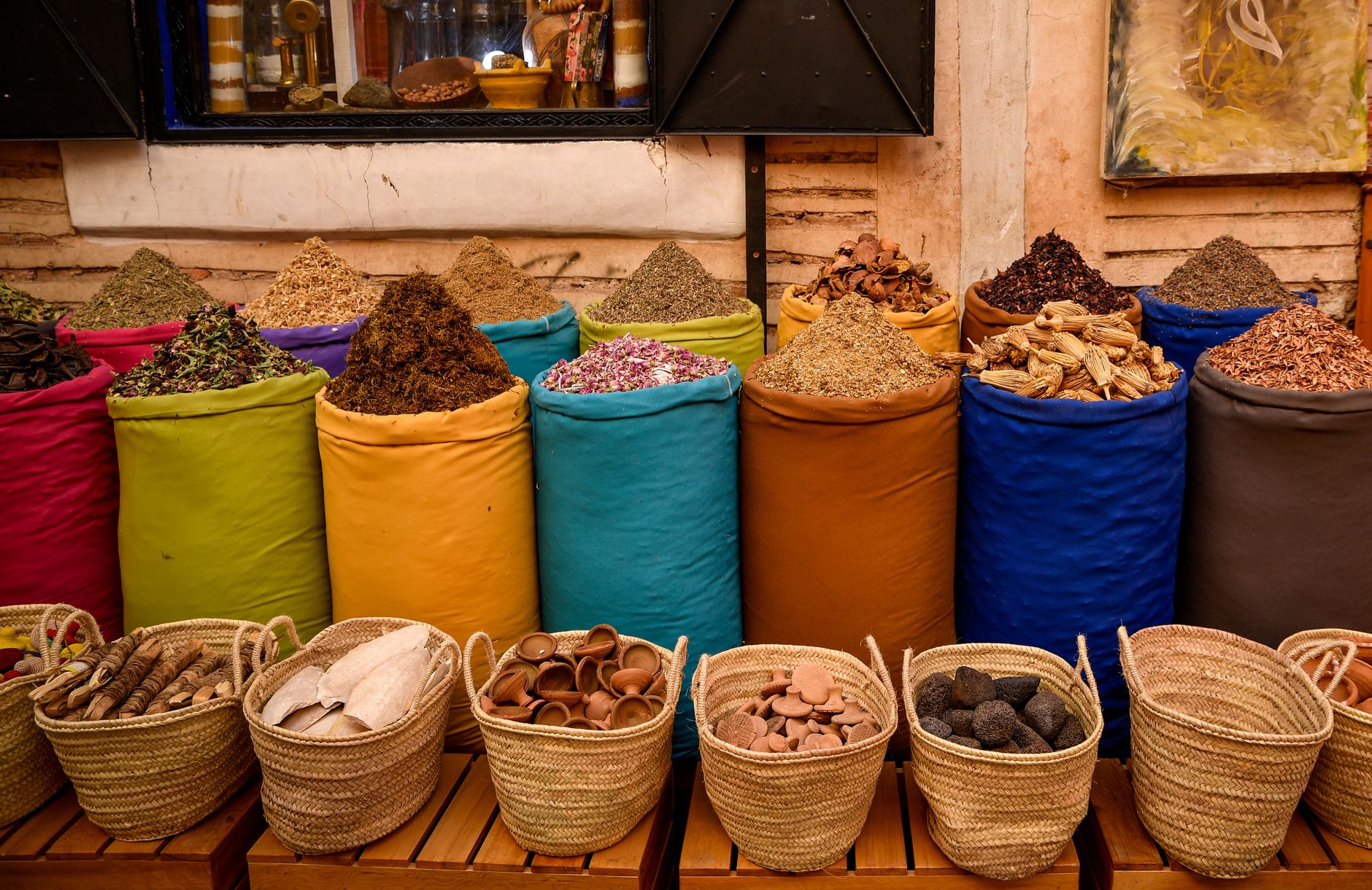
Spices and handmade goods in a Moroccan souk

June: Gnaoua in Essaouira

The Gnaoua World Music Festival in Essaouira usually falls in June and runs four days. Concerts spill across the medina and onto the beach, with free open-air stages alongside ticketed venues. Essaouira is on the Atlantic, about 175 km west of Marrakech, a drive of roughly two and a half hours.

Essaouira stays cool in summer because of the ocean. June here is often 22 to 25°C while Marrakech can be over 35°C, which is the main reason the festival works on the coast and would struggle inland. Hotels fill fast, so book weeks ahead if this is your anchor date.

September: Imilchil moussem and the first dates

The Imilchil Moussem, often called the Engagement or Wedding festival, is held each September in the High Atlas, around 2,100 metres up and roughly 180 km from Errachidia. It draws families from the surrounding mountains and, in local telling, marks engagements between communities.

The exact dates change from year to year and are confirmed only shortly before, so treat any published date as provisional. February to May is the more reliable window for the High Atlas generally, but if you want Imilchil, September is when it happens, and you plan around it rather than through it.

September to October: dates in the Tafilalt

The date harvest around Erfoud, Rissani and the Tafilalt oasis runs roughly from September into October. This is the south-east, on the edge of the Sahara, about 60 km from Erfoud to Rissani and about 400 km from Marrakech to Erfoud.

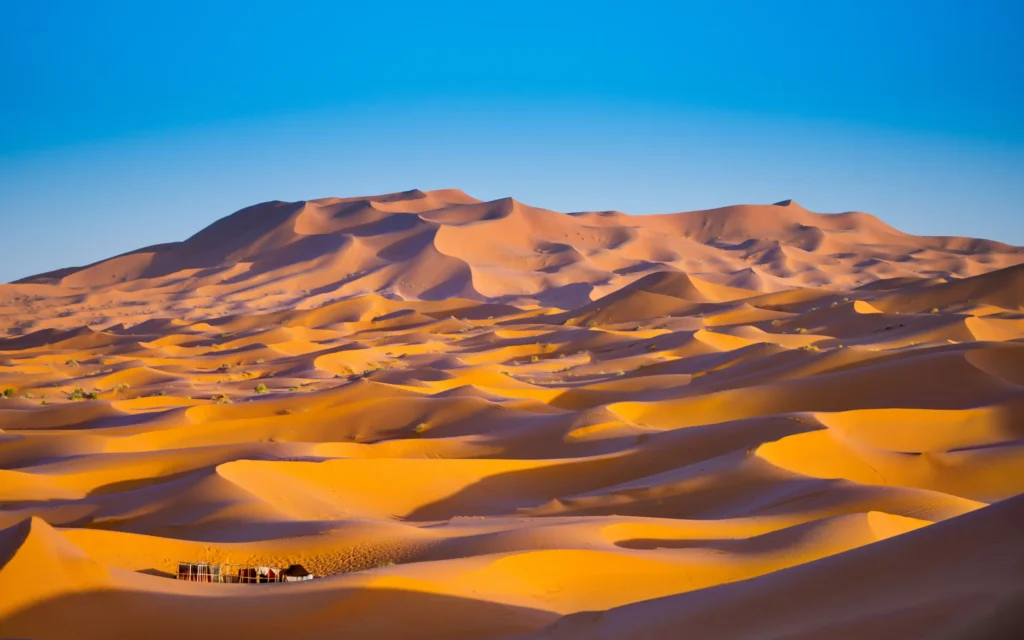
Groves are worked by hand, and the season ends with dates laid out to dry in the sun before they go to market. Early autumn is a good time for the area: the worst of the summer heat has broken, nights are cooler, and the empty space around the dunes is quieter than in spring.

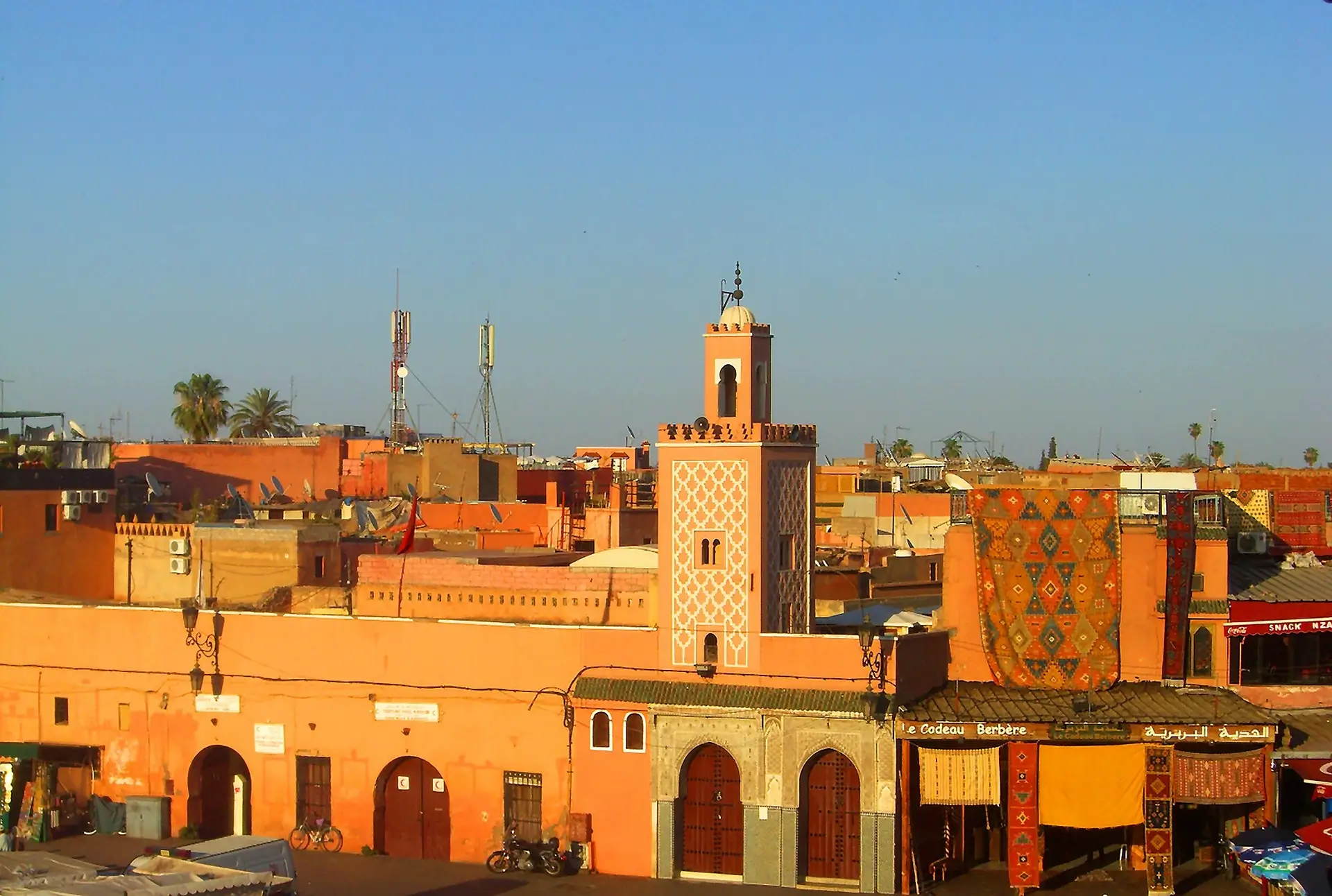
Event venue in Morocco

October to November: saffron in Taliouine

Taliouine, the saffron capital of Morocco, harvests from late October into mid-November, with the peak usually in the first half of November. A saffron festival is held in November, timed to the crop. The town sits in the Anti-Atlas on the N10, about 165 km east of Agadir.

Each crocus flower opens for about a day, so the fields are picked before dawn and the stigmas separated by hand the same day. The festival date follows the harvest and is confirmed only weeks ahead. If saffron is the reason for the trip, aim for early-to-mid November and check locally before booking.

Ramadan, Eid and the moussem calendar

Ramadan moves about eleven days earlier on the Gregorian calendar each year, and Eid moves with it. During Ramadan, souks and cafés run shorter days, and some restaurants close until sunset. Travel is still easy, but the rhythm of the day is different and you should plan meals and drives around it.

The moussem season generally spreads through the year, from local harvest gatherings to religious festivals. Many are tied to the lunar calendar, so their dates shift too. Ask on the ground a few weeks out, or check with a local operator, because regional moussems are often announced late.

Fixed public holidays

Alongside the shifting dates, Morocco keeps a set of national public holidays that land on the same Gregorian day every year. These are firm:

  • 1 January — New Year.
  • 11 January — Proclamation of Independence.
  • 1 May — Labour Day.
  • 30 July — Throne Day.
  • 14 August — Oued Eddahab / Allegiance Day.
  • 20 August — Revolution Day.
  • 21 August — Youth Day.
  • 6 November — Green March.
  • 18 November — Independence Day.

How to plan around shifting dates, and the honest verdict

Treat every harvest and moussem date as a target, not a booking. They are confirmed weeks, sometimes days, ahead. Good practice: pick the month and the region first, keep a two-week buffer either side, and only fix transport and rooms once the date is firm. Coastal events like Essaouira are cooler in summer than inland ones, which are hot.

If you want a simple map of the year: February for almond blossom; April and May for roses and the best general trekking weather; June for Gnaoua in Essaouira; September for Imilchil and the start of the date harvest; October and November for saffron. Everything else is a moussem you will find by asking locally, which is often how the best days on a Morocco trip happen anyway.

Begin your adventure

Your dream Morocco trip starts here

Tell us where you want to go, when, and at what pace, we'll craft a tailor-made itinerary with private transport, hand-picked riads and local guides.