Skip to content
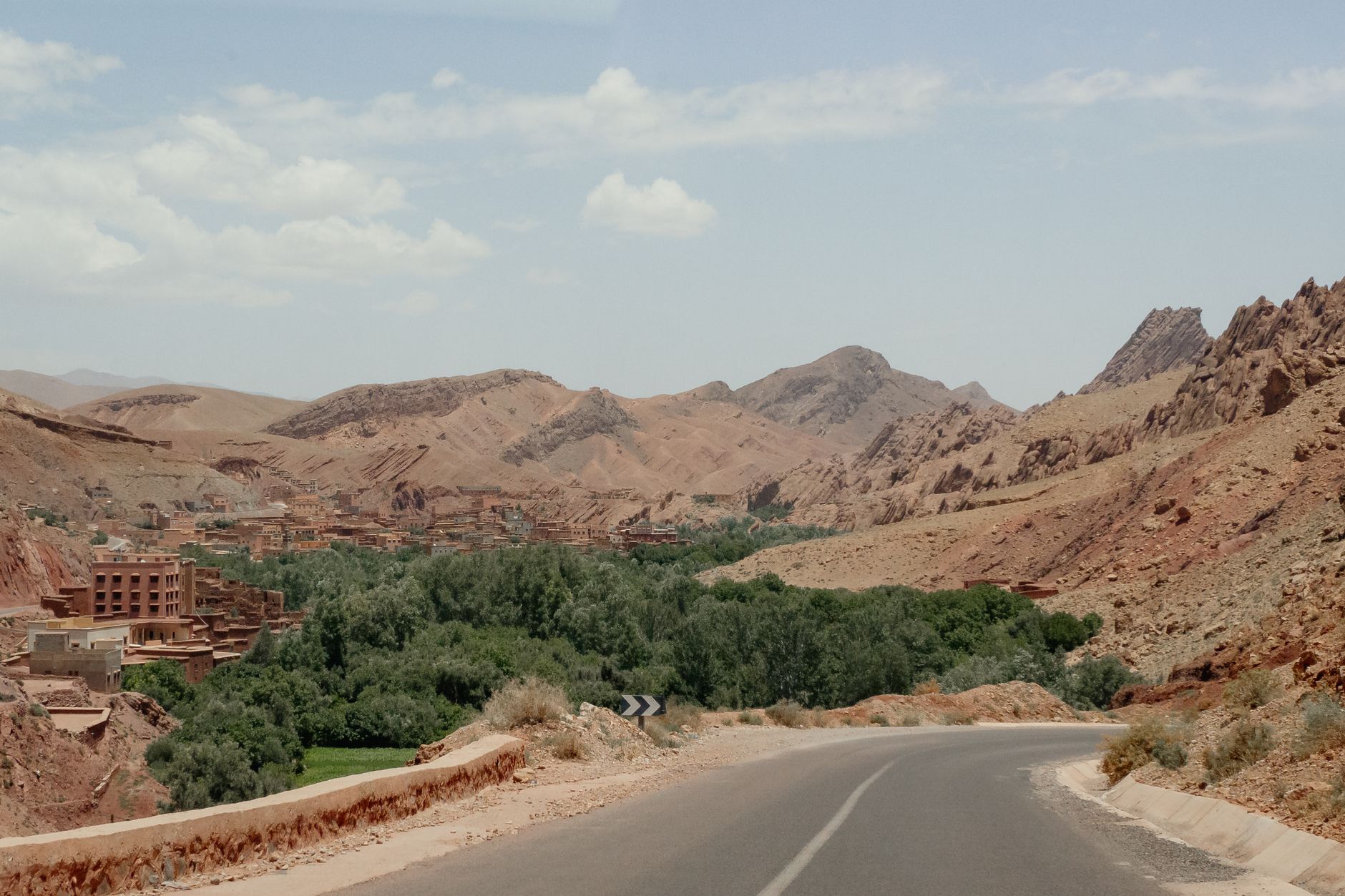
Switchback road climbing through the Dades Gorge
Self-Drive

Morocco Road Trip: Routes, Rules and Renting Without the Stress

Morocco is made for driving: short distances, big scenery, and roads that run from fast autoroute to switchbacks over the Atlas. What isn't obvious is how local driving works. Here are the routes worth your keys and the small number of rules that keep the trip stress-free.

Eddyafa Travel
Journal
In this article6 min read

Is a road trip the right call?

The train links Casablanca, Rabat, Fes and Marrakech comfortably, and long-distance buses cover the rest — so renting is not automatic. A car earns its keep the moment your itinerary leaves the rail spine: a valley in the High Atlas, a gorge in the south, a night at the dunes of Merzouga, or a stretch of coast that only exists between two towns.

The practical test: if two of your stops are hours apart and missing from the train map, rent. If your trip is cities only, the train is usually cheaper than fuel, tolls and parking combined — and far less stressful than negotiating a medina gate.
Three routes worth the wheel

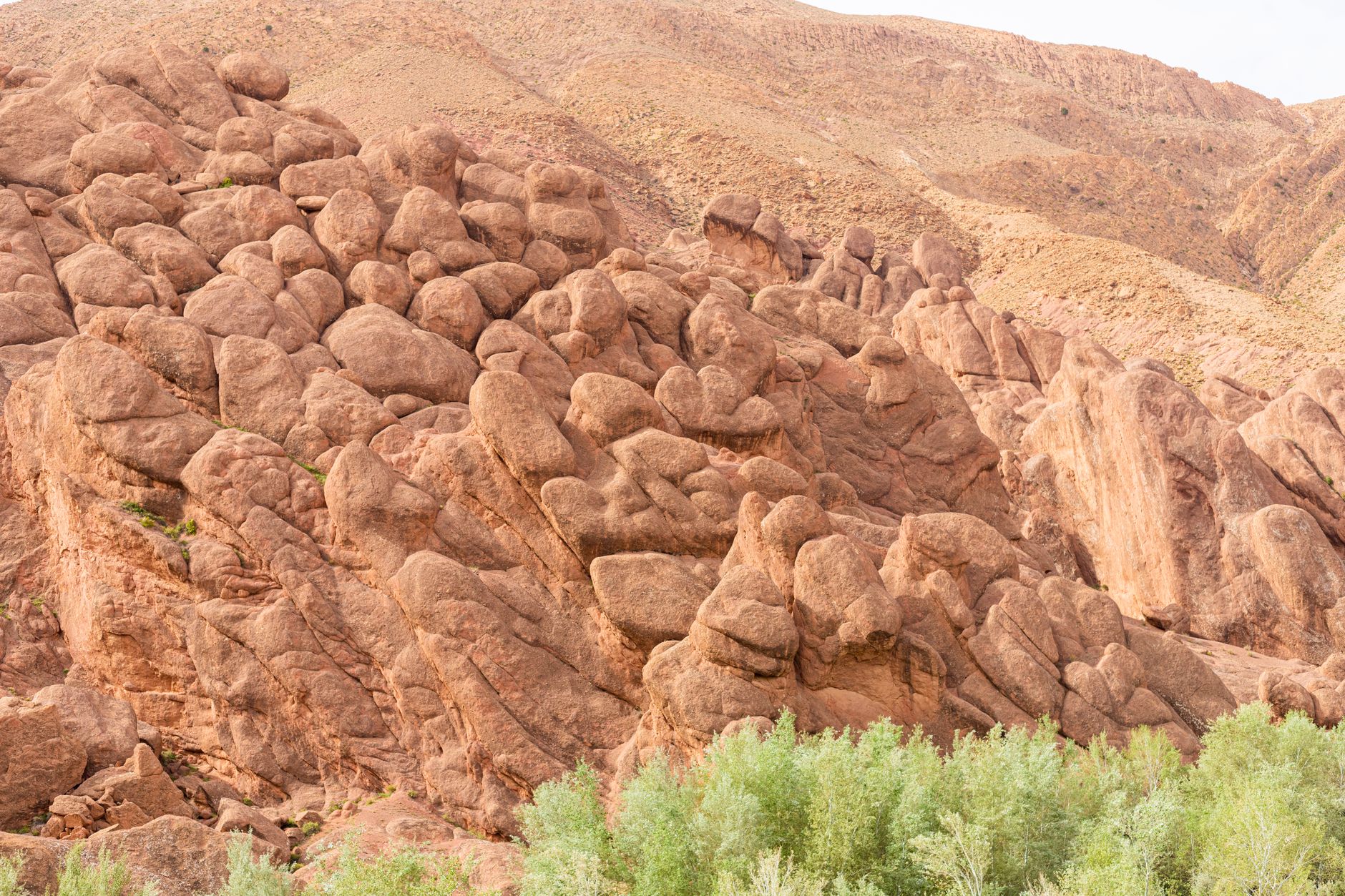
  • The south loop. Marrakech over the Tizi n'Tichka to Ouarzazate, the Dades and Todra gorges, then Merzouga and back — or north to Fes. Around 900–1,000 km round trip, and the reason most people rent a car in the first place.
  • The north. Fes to Chefchaouen and on to Tangier, with the Rif villages and the cedar forest in between. Blue walls, mountain coffee, and the best-preserved Roman ruins in the country at Volubilis, an hour out of Fes.
  • The coast. Casablanca to El Jadida, Essaouira and Agadir. Flat, ocean-side and the easiest driving on this list — good first trip for anyone nervous about renting.
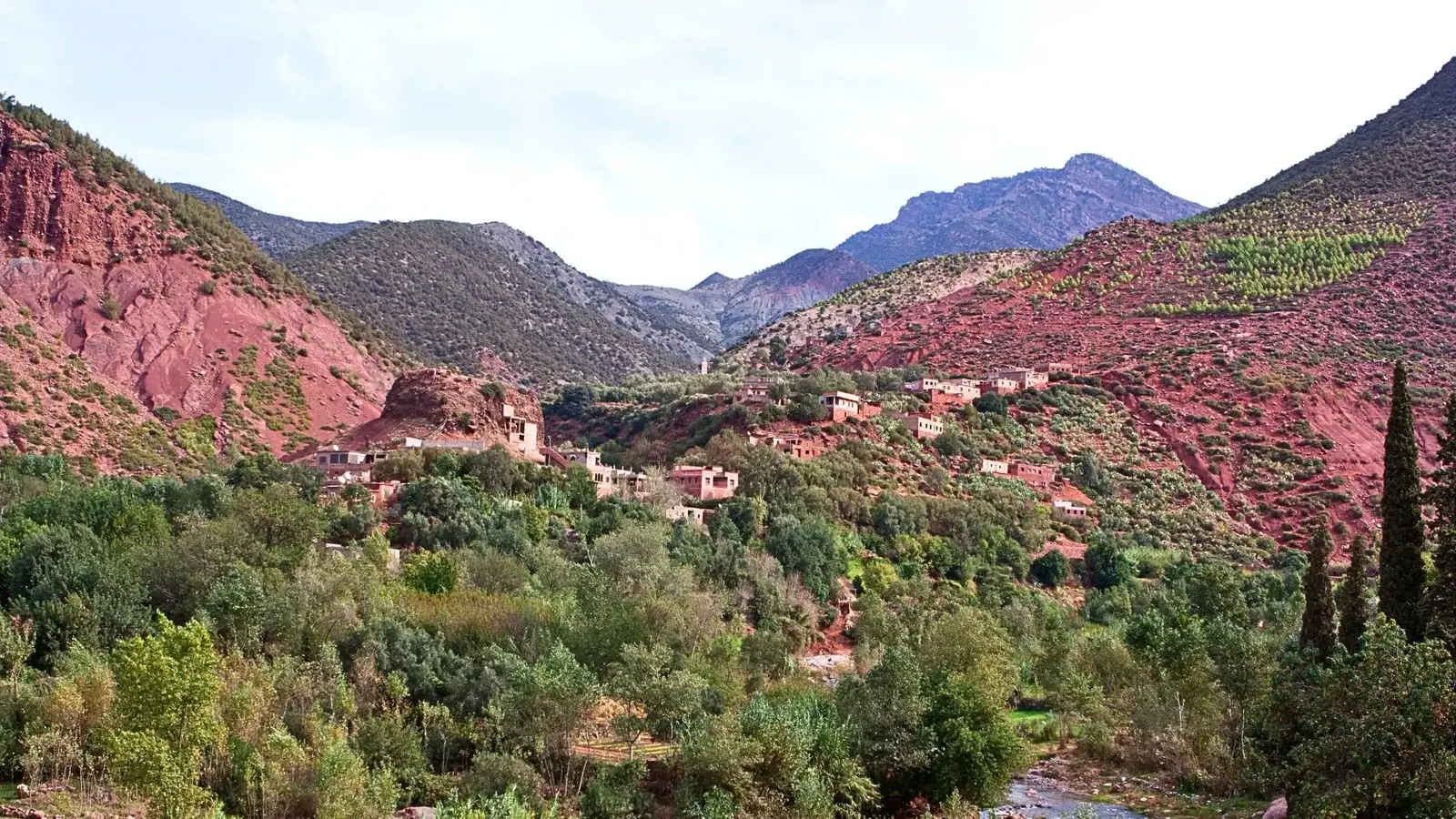
  • The High Atlas. Imlil, Aremd and the passes above the valleys. Short days, slow roads, big views: the leg where a small car and an early start matter more than horsepower.
Hairpin bends on the road through the Dades Gorge

The rules that actually matter

Morocco drives on the right. The signed limits are 60 km/h through built-up areas, 100 km/h on open roads and 120 km/h on the autoroute — but the limit you'll really meet is whatever the road ahead allows, because mountain bends arrive faster than the signs promise. Beyond that, five things cover almost every situation you'll hit:

  • Documents. Your home licence plus an International Driving Permit is the combination rental agencies and police expect. Carry both with your passport — not in the boot.
  • Alcohol. The legal limit is 0.02%, effectively zero. Splitting a bottle of wine with dinner and driving is not a gray area here.
  • Priority to the right at unmarked junctions, including village crossroads with no signs and no roundabouts. Locals still expect it.
  • Lights on outside towns, and always after dark: unlit vehicles, livestock and pedestrians are a genuine risk on rural roads at night.
  • Fines are often settled on the spot. Ask for a receipt, and never hand money to anyone out of uniform who calls it a fine.
  1. Buy the insurance that matches your route

    Third-party cover comes with every rental. The part that decides your bill is the excess — the amount you lose if anything happens — and on budget contracts it can run high enough to make a scraped panel expensive. If your route includes gravel, piste or the track out to a desert camp, take the excess reduction and read the small print on unpaved roads before you sign.

    Also confirm in writing whether the south and the desert tracks are covered at all, whether a second driver is free, and what a tyre or windscreen claim costs. Those three answers, asked at the counter, save arguments at drop-off.

  2. Photograph the car before you touch the key

    Six photos in daylight: each corner, the roof, the windscreen, then the fuel gauge and the odometer. Rental papers carry a damage sheet, and the copy with timestamps is the one that counts when you return the car with a scratch nobody mentioned at pickup.

    Take the same set at drop-off before you walk away, and keep them until the deposit clears. It takes four minutes and settles most disputes before they start.

  3. Fill up before the hills, not after

    Stations cluster along the coast and the autoroute; in the mountains and toward the desert they thin out, and the small ones may be shut after dark. Start every long leg on a full tank rather than trusting the next village — the detour to find fuel costs more time than the five minutes you saved leaving late.

    Cards work at most larger stations, but keep some cash for the smaller pumps and the rural pumps where the attendant fills the tank by hand.

  4. Time the mountain passes for daylight

    The Tizi n'Tichka, the Dades switchbacks and the passes over the Middle Atlas reward a morning start and punish a late one: many bends have no barrier, trucks take the inside line, and the surface changes without warning. Plan to be parked before sunset — the same road that is spectacular at 10 a.m. is a different animal at 8 p.m.

    Descending in first or second gear, using engine braking rather than riding the brakes, is the local technique on long grades. Follow it, and give trucks room on the way up.

What the roads are actually like

The autoroute network between the big cities is fast, well-signed and tolled booth by booth; carry some cash for the lanes that don't take cards. National roads are generally good but slow — overtaking space is rare, grand taxis stop where they need to, and a 200 km day can take four hours.

Unpaved tracks toward desert camps and remote valleys are a different contract: a normal saloon will scrape its underside, and after rain the red clay turns slick. If your route includes one, check whether you actually need a 4x4 — or let a local driver take it.

Parking and the medina problem

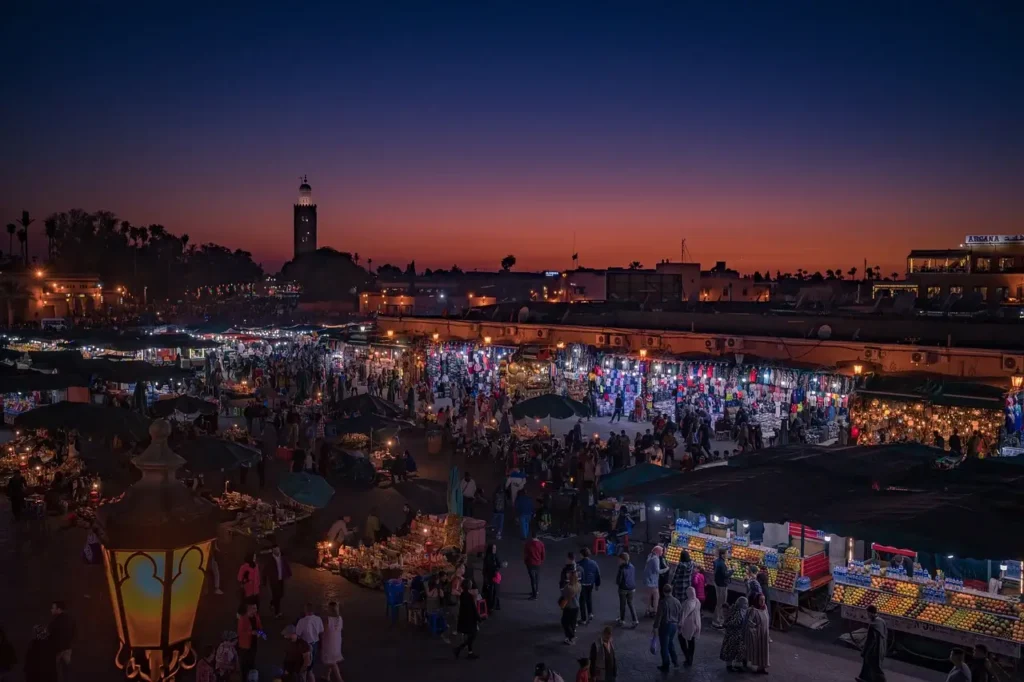
The medinas were not built for cars, and circling the walls looking for a gap is the fastest way to hate a beautiful city. Use the signed public lots at the gates — a few dirhams, usually an attendant — and walk in, or drop bags at the riad first and park afterwards.

Never leave anything visible in the car in a medina car park, and take the mirror-fold photo at the end of the day as you did at pickup. Marrakech and Fes both get easier after you accept that the car's job stops at the wall.

When to skip the keys entirely

If your group is four or more, a private driver often costs less than it looks once the rental, fuel, tolls and parking are added up — and you arrive rested instead of negotiating a roundabout in a language you don't speak. It also solves the mountain-hours problem: someone who knows which grand taxi is about to overtake on the wrong side, and when to stop for the view.

That is the core of what we do. Tell us the route and the dates; you keep the window seat.

Begin your adventure

Your dream Morocco trip starts here

Tell us where you want to go, when, and at what pace — we’ll craft a tailor-made itinerary with private transport, hand-picked riads and local guides.