Skip to content
The rock walls of the Todra Gorge
Gorges & Valleys

Todra Gorge and the Dades Valley: Driving the Kasbah Road

Between the High Atlas and the Sahara, one road strings together a slot canyon you walk into, a switchback pass, a valley that turns pink in May, and more rammed-earth kasbahs than you can count. Here is how the Todra Gorge and the Dades Valley fit together, and how to drive them without missing the point.

Eddyafa Travel
Journal
In this article8 min read

The Road of a Thousand Kasbahs, explained

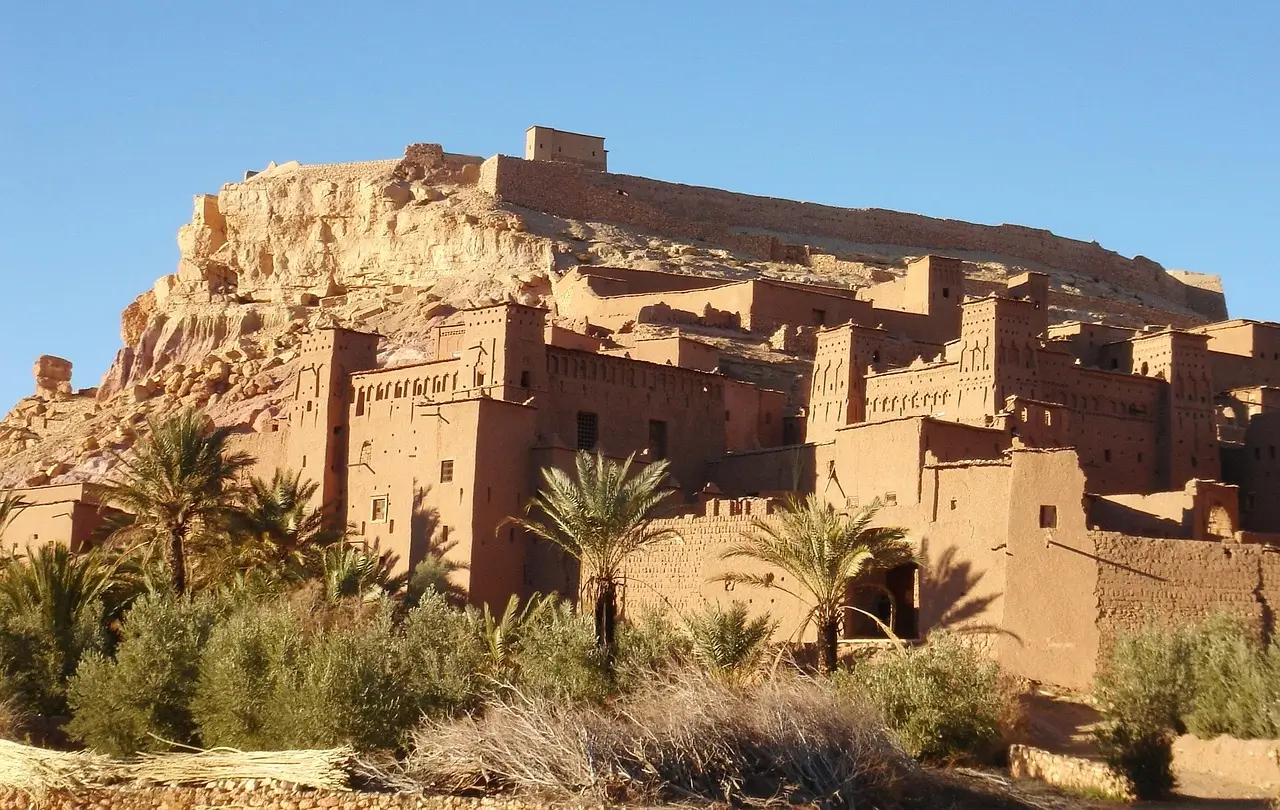
The road everyone calls the Road of a Thousand Kasbahs is really the N10, running east to west along the southern edge of the High Atlas between Ouarzazate and Tinghir, in the Draa-Tafilalet region. It follows the river valleys where southern Morocco actually lives: palm oases, mud-brick villages, and the fortified family houses known as kasbahs, built from rammed earth and packed by hand.

Two canyons give the route its drama. The Dades Gorges sit north of Boumalne Dades; the Todra Gorge sits north of Tinghir, about 50 kilometres further east. They are close enough to see on the same day and different enough that doing both never feels repetitive; one is a wide green valley of layered rock, the other a narrow slot you walk into.
Todra Gorge: the slot you walk into

The Todra Gorge (spelled Todgha in some guides) lies about 15 kilometres north of Tinghir, and the paved road runs right into it. The Todra River has cut a corridor through Jurassic limestone where the walls rise to around 300 metres; the last stretch, roughly 600 metres long, narrows to as little as 10 metres between sheer faces. A walk of 15 to 20 minutes from the parking area takes you into the narrowest part, and the temperature drops as the sky becomes a bright strip far overhead.

There is no ticket and no gate. You come for the scale, the echo, and the pale rock banded in rust and grey. In spring the river runs full with Atlas snowmelt; by late summer it can be a trickle you step across. Walking the floor and looking up is the whole point; the drive-through takes two minutes, the walk takes an hour and stays with you.

Rock climbing in the Todra

The limestone walls here are one of Morocco's best-established sport-climbing areas, with more than 150 bolted routes from around 5a to 8b on the French scale, plus a handful of multi-pitch lines that reach close to 200 metres. The south-facing walls catch the winter sun and warm up by mid-morning, which makes November to March the climbing season even when the nights are cold.

Most routes sit near the gorge entrance, and local guides and gear rental are available through the guesthouses at the gorge itself. If you have never climbed, this is still worth knowing: it explains the ropes you will see on the walls and the quiet climbers drinking tea at the base while the tour buses come and go.

When to go, and how the light works

The gorge runs roughly north to south and the walls are tall, so the floor spends much of the day in shadow. Early morning warms the upper rock and the entrance; around mid-morning the sun climbs high enough to reach the river and the road, which is when the clean, evenly lit photographs happen. By early afternoon the narrowest section slides back into shade.

That geometry creates a trade-off. The best light arrives around the same time as the coaches, which roll in from Tinghir between mid-morning and mid-afternoon. Arriving before nine or lingering after four leaves you the canyon nearly to yourself, and an overnight in the gorge solves the problem entirely. Spring (March to May) and autumn (September to November) give the most comfortable walking weather; summer is hot on the plateau but the slot itself stays noticeably cooler, and winter can be genuinely cold inside.

The Dades Gorge and its switchbacks

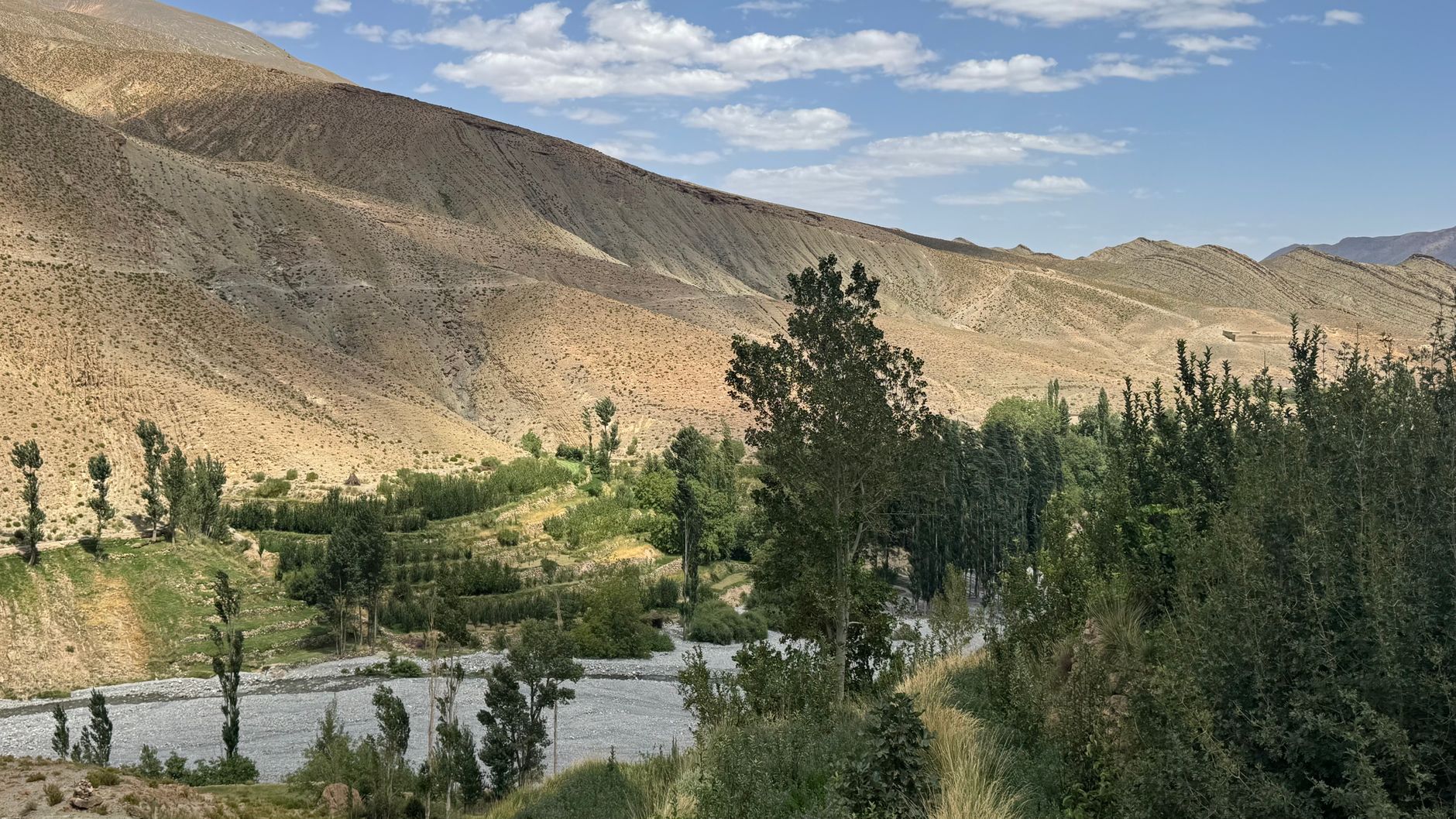
The Dades Gorges begin just north of Boumalne Dades, a small town on the N10 about 50 kilometres west of Tinghir and roughly an hour's drive away. The valley road climbs north for 25 to 30 kilometres through villages and fields before the rock walls close in to between 200 and 500 metres above the river.

Near the villages of Aït Ouffi and Aït Oudinar the road reaches the stretch everyone photographs: a series of tight hairpin bends that fold back on themselves as they climb out of the deepest part of the gorge. There is a viewpoint and a couple of small restaurants at the top. The road is paved and manageable in an ordinary car; just take the turns slowly and let faster local drivers pass.

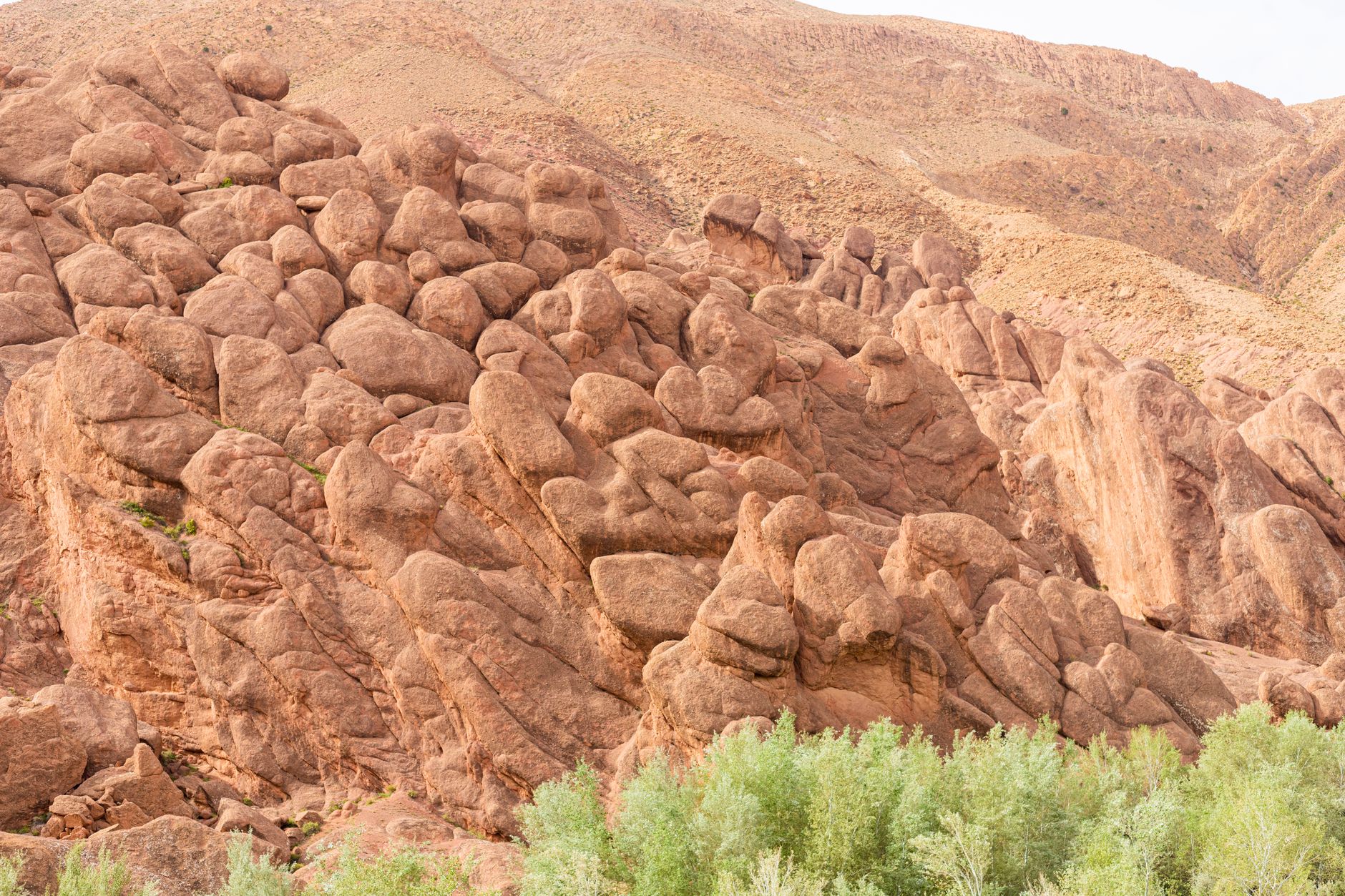
Look out too for the eroded formations known as the Monkey Fingers, fin-like slabs of rock that stand above the valley. Unlike the Todra, the Dades is a wide, green valley rather than a slot, so the two complement each other: drive the Dades for the bends and the long views, walk the Todra for the walls.

The switchback road climbing through the Dades Gorge

The Valley of Roses

West of Boumalne Dades, the N10 passes through El Kelaa M'Gouna, usually written Kelaat M'Gouna, the centre of Morocco's rose country. The Damask rose is grown in the fields and along the irrigation channels around the town, and for a few weeks from late April into mid-May the valley fills with pink blossom and the scent follows the road.

The harvest lasts about three weeks and is a dawn job: pickers cut the blooms early, before the sun drives the oil deeper into the petals. The flowers go to local cooperatives and distilleries that turn them into rosewater, essential oil, soaps and cosmetics, and the town celebrates with the Rose Festival in May, which crowns a Rose Queen and draws visitors from across Morocco. If you want to see the fields rather than the parade, ask your guesthouse to arrange an early walk with a local guide.

Skoura: a palm oasis full of kasbahs

At the other end of the route, about 40 kilometres east of Ouarzazate on the N10, Skoura is a palm oasis that most drivers pass without stopping. The palmeraie is a long band of date palms, olive and pomegranate trees watered by the Dades River and a network of old irrigation channels, and among the trees stand dozens of earthen kasbahs in every state from carefully restored to quietly collapsing.

The best known is Kasbah Amridil, a 17th-century fortress with tall corner towers that once appeared on the old 50-dirham banknote and is open to visitors on guided tours. Skoura is best explored on foot or by bicycle, with a local guide if you want to find the lesser-known kasbahs off the marked paths. Give it an hour or two on the way past, or a night if you want the palms to yourself at sunset.

Palm oasis and kasbahs at Skoura

Tinghir, and where to base yourself

Tinghir is the town that anchors the Todra side of the route: an oasis of palm groves on the river, about 15 kilometres south of the gorge mouth. Staying here, or in one of the guesthouses and small hotels at the gorge entrance itself, is the difference between seeing the canyon in a rushed midday hour and seeing it at sunrise.

On the Dades side, Boumalne Dades plays the same role, with guesthouses at the valley entrance and along the gorge road; El Kelaa M'Gouna, 25 kilometres further west, is the alternative base during rose season. Whichever you choose, an overnight in one of the valleys beats a long day-trip from Ouarzazate; the gorges are at their best in the low, quiet light.

Driving times, road conditions and a sensible route

The classic sequence runs from the desert: leave Merzouga in the morning, walk the Todra at midday, sleep in the Dades Valley, drive the switchbacks the next morning, then roll west through El Kelaa M'Gouna and Skoura to Ouarzazate and Marrakech. Coming from Fes the gap is bigger, Tinghir is a long day's drive of roughly 470 km, so most people see the gorges on the way to or from the Sahara rather than as a stand-alone trip.

On road quality: the main roads are tarmac and a normal two-wheel-drive car is fine. What needs care is not the surface but the width; the Dades hairpins and the upper valley road are narrow, and local drivers know them much better than you do, so pull over and let them by.

The route works as a loop between the desert and the cities. To give you a sense of the scale, the numbers below are on paved roads and assume you stop:

  • Marrakech to Boumalne Dades: about 300 km and 5 to 6 hours across the High Atlas via the Tizi n'Tichka pass and Ouarzazate.
  • Ouarzazate to Skoura: about 40 km, 45 minutes at most.
  • Skoura to Boumalne Dades: roughly 90 km east on the N10.
  • Boumalne Dades to Tinghir: about 50 km, around an hour.
  • Tinghir to the Todra Gorge: about 15 km, 20 to 30 minutes up the valley.
  • Todra Gorge to the Dades Gorge: roughly 50 to 55 km, about 90 minutes.
  • Merzouga to the Todra Gorge: about 2.5 hours west via Tinghir; which is why the gorges slot neatly onto the end of a desert trip.

Sleeping in a gorge and shooting it well

  • Book a room with a view. Guesthouses at the Todra gorge entrance and along the Dades road put the walls outside your window; in high season and around the rose festival, book ahead.
  • Pack layers. The slot canyon is cold at dawn and shaded by afternoon, while the plateau outside can be baking; the gap between the two is bigger than it looks.
  • Bring a wide-angle lens and a tripod. The walls are too tall to fit in a normal shot, the light between the shadowed floor and the bright sky is extreme, and a small figure in the frame is what shows the scale.
  • Time the drive, also the stop. The bends are best early, before tour traffic, and the gorge floor is best either side of the midday rush.
  • Carry some cash. The valleys are small places; the nearest reliable ATM to the upper Dades is back in Boumalne Dades.

Begin your adventure

Your dream Morocco trip starts here

Tell us where you want to go, when, and at what pace, we'll craft a tailor-made itinerary with private transport, hand-picked riads and local guides.