Eddyafa Travel
Morocco Travel Guide: Your Gateway to North Africa's Most Captivating Adventure
So you’re thinking about Morocco? Smart choice. This isn’t just another travel destination—it’s where the Sahara Desert meets the Atlantic Ocean, where ancient medinas buzz with life, and where a simple glass of mint tea can turn into a two-hour conversation with a local artisan. Trust me, your Morocco travel guide journey starts right here, and I’m about to share everything you need to know from someone who’s actually been there, done that, and can’t wait to go back.
Let me be straight with you: Morocco will surprise you at every turn. The smells of cumin and saffron wafting through narrow alleyways, the sound of the call to prayer echoing off terracotta walls, the sight of snow-capped Atlas Mountains rising behind palm-filled oases—this country plays with your senses in the best possible way.
Table of Contents
Why Morocco Deserves Your Next Vacation Days

Here’s the thing about Morocco that nobody tells you until you arrive: it’s ridiculously easy to fall in love with. Whether you’re a foodie hunting down the perfect tagine, an adventure junkie ready to surf sand dunes, or someone who just wants to get lost in a maze of colorful souks—Morocco delivers.
The country sits at the crossroads of Africa, Europe, and the Middle East, creating this incredible cultural cocktail you won’t find anywhere else. French-speaking Berbers selling handwoven carpets, Arabic calligraphy adorning blue-painted doors, Spanish-influenced architecture in the north—it’s like the world’s most fascinating cultural festival decided to set up camp permanently.
“Morocco is like a beautiful, intricate tapestry. Every thread represents a different culture, language, or tradition, all woven together to create something completely unique.” — Fatima, Marrakech local guide
Best Time to Visit Morocco (And When to Avoid)
Let’s talk timing because it matters more than you think. Spring (March to May) and fall (September to November) are absolute perfection. You get comfortable temperatures, blooming landscapes, and fewer tourists fighting for that perfect Instagram shot in Chefchaouen.
Summer? Only if you’re cool with 110°F heat in the desert. Winter’s actually lovely in cities but pack a jacket—those riad courtyards get chilly at night, and the Atlas Mountains can be downright cold.
📅 Quick Season Breakdown:
| Season | Temperature | Crowd Level | Best For |
|---|---|---|---|
| Spring (Mar-May) | 68-77°F | Moderate | Everything! |
| Summer (Jun-Aug) | 86-104°F | High | Coastal cities |
| Fall (Sep-Nov) | 64-75°F | Low-Moderate | Desert tours, hiking |
| Winter (Dec-Feb) | 50-64°F | Low | Budget travel, skiing |
Must-Visit Cities That'll Steal Your Heart
Marrakech: Where Your Morocco Travel Guide Story Really Begins
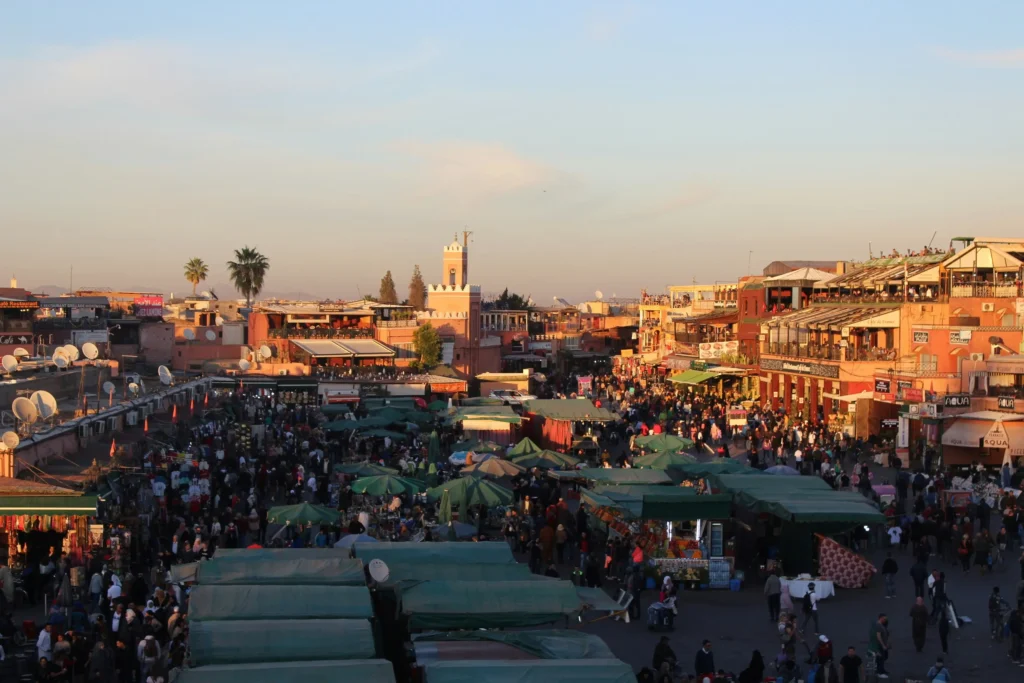
Marrakech hits you like a beautiful, chaotic wave. Djemaa el-Fna square is the beating heart—snake charmers, storytellers, orange juice vendors, and the smell of grilled meats creating this sensory overload that somehow works perfectly.
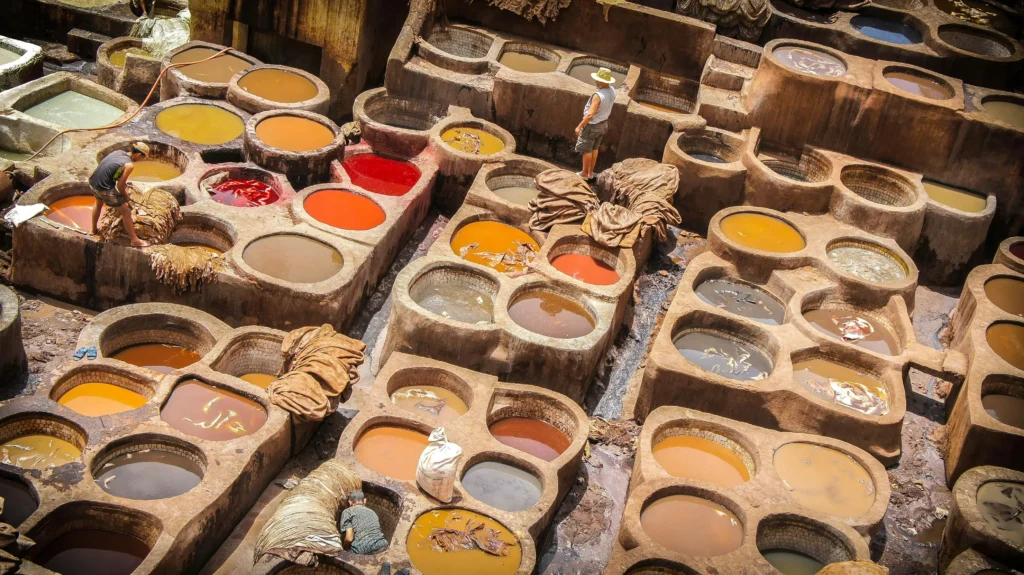
Spend your mornings exploring the Morocco tour packages that include Marrakech’s hidden gems: Bahia Palace with its stunning tilework, the peaceful Majorelle Garden (yes, Yves Saint Laurent’s paradise), and the leather tanneries where you’ll get a sprig of mint to combat the smell (trust me, you’ll need it).
💡 Pro Tip: Hire a local guide for your first souk visit. These labyrinths are no joke, and a good guide knows which artisans make authentic goods versus tourist traps. Eddyafa Travel can arrange experienced guides who actually grew up in these medinas.
Fes: The Soul of Morocco

If Marrakech is Morocco’s heart, Fes is its soul. The Fes medina is the world’s largest car-free urban zone—a medieval city that refuses to change, and that’s exactly its charm. Donkeys still transport goods through passages too narrow for even a motorbike.
The Marrakech to Fes desert tour is hands-down one of the most scenic drives you’ll ever take. Between these imperial cities lies the Middle Atlas Mountains, cedar forests where Barbary monkeys hang out, and landscapes that shift from green valleys to rocky gorges.
Chefchaouen: Instagram’s Blue Dream
Okay, yes, it’s touristy now. But Chefchaouen earned its fame honestly. This blue-washed mountain town tucked in the Rif Mountains is like stepping into a painter’s daydream. Every corner deserves a photo, but try to wake up early—golden hour plus blue walls equals magic, and you’ll beat the tour bus crowds.
🔵 Local Secret: Skip the main plaza for lunch and head to Bab Ssour area where locals eat. You’ll find authentic Moroccan food at half the price and zero tourist menus.
The Sahara Desert: An Experience That Changes You
Let’s be real—a Morocco travel guide without mentioning the Sahara is like visiting Italy and skipping the pasta. The desert isn’t just sand (though those Erg Chebbi dunes are spectacular); it’s about the experience.
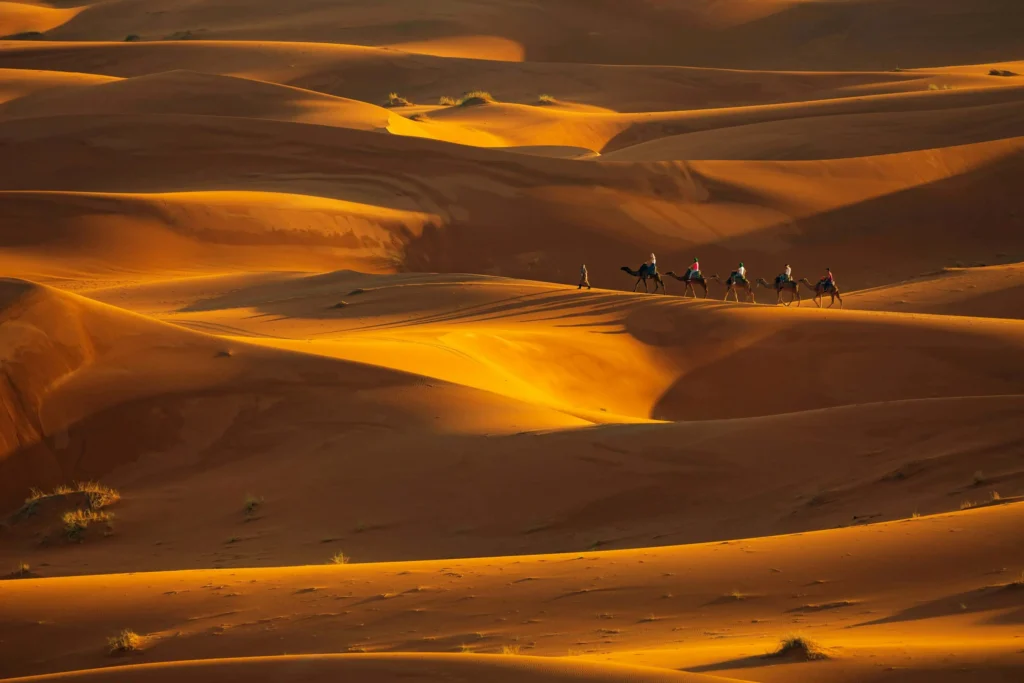
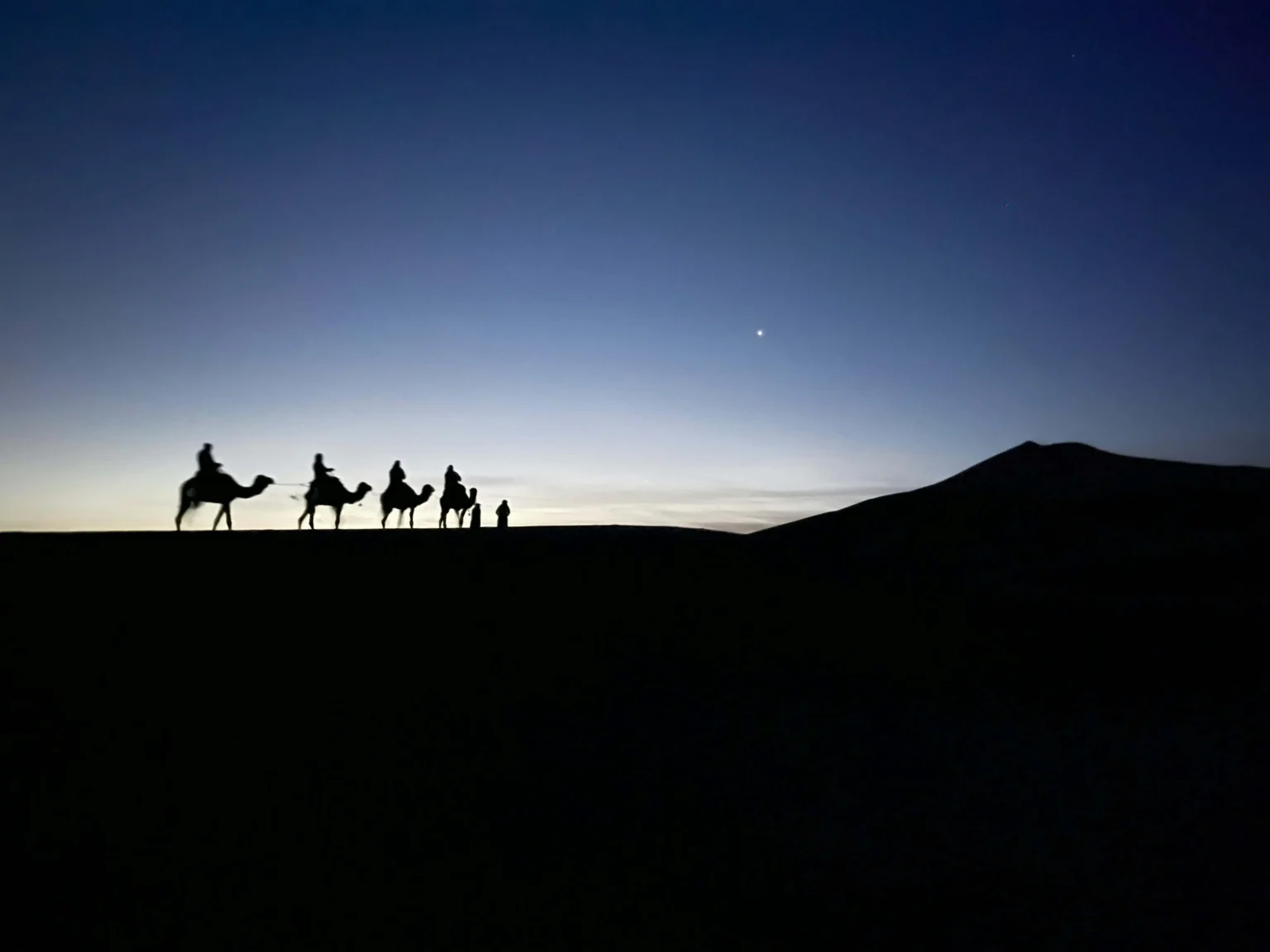
Sahara desert tours from Morocco typically depart from Merzouga or M’hamid. You’ll ride camels into sunset-painted dunes, sleep under more stars than you knew existed, and wake up to silence so complete it’s almost musical.

“The first time you see the Sahara, something shifts inside you. It’s humbling, thrilling, and peaceful all at once. The desert teaches you that emptiness can actually be quite full.” — Omar, Berber camp guide
What to Pack for Desert Adventures:
- Lightweight layers (desert nights are COLD)
- Sunscreen (SPF 50 minimum)
- Scarf/turban (sand protection + instant Bedouin style)
- Power bank (charging options limited)
- Open mind (seriously, this experience is spiritual)
Moroccan Food: Prepare Your Taste Buds for Joy
Moroccan cuisine deserves its own article, but here’s what you absolutely cannot miss:
Tagine: Slow-cooked meat or vegetables in that iconic cone-shaped pot. The lamb with prunes version will haunt your dreams (in a good way).
Couscous: Friday is couscous day across Morocco. Fluffy semolina topped with vegetables and meat, traditionally shared family-style.
Moroccan Mint Tea: Called “Berber whisky” for good reason—it’s everywhere and refusing it is basically cultural blasphemy. The tea ceremony itself is an art form involving lots of dramatic pouring from great heights.
Pastilla: Flaky pastry filled with pigeon (or chicken), almonds, and dusted with cinnamon and sugar. Sweet and savory shouldn’t work this well together, but Morocco makes magic happen.
🍽️ Eating Etiquette:
- Eat with your right hand only
- Accept tea when offered (at least three glasses is tradition)
- Bread is sacred—never throw it away
- Tipping 10-15% is appreciated but not mandatory
Essential Travel Tips for First-Time Visitors
Getting Around: Morocco has decent trains connecting major cities (ONCF is the national railway), but renting a car or booking a private tour gives you flexibility. Road conditions vary wildly—mountain passes require confidence, desert tracks need 4x4s.
Money Matters: The Moroccan Dirham (MAD) is the currency. Exchange rates hover around 10 MAD = 1 USD. ATMs are common in cities, but carry cash for souks and small towns. Bargaining is expected in markets—start at 50% of asking price.
Language: Arabic and Berber are official languages, French is widely spoken, and English works in tourist areas. Learn basic French or Arabic phrases—locals appreciate the effort enormously.
Safety: Morocco is generally very safe for tourists. Standard precautions apply: watch for pickpockets in crowded areas, don’t flash expensive items, and trust your gut. Solo female travelers report feeling comfortable, though modest dress (covered shoulders and knees) shows respect and reduces unwanted attention.
Cultural Dos and Don’ts
✅ DO:
- Dress modestly, especially outside tourist zones
- Ask permission before photographing people
- Remove shoes before entering homes or mosques
- Use your right hand for eating and greeting
- Learn “shukran” (thank you) and “salam” (hello)
❌ DON’T:
- Drink alcohol publicly outside designated areas
- Enter mosques if you’re non-Muslim (except Hassan II in Casablanca)
- Refuse hospitality—it’s genuinely offensive
- Rush. Seriously, Morocco operates on “inshallah time”
Planning Your Perfect Morocco Itinerary

For first-timers, I recommend at least 10 days to experience Morocco properly. Here’s a sample breakdown:
Days 1-3: Marrakech (medina exploration, palaces, day trip to Atlas Mountains)
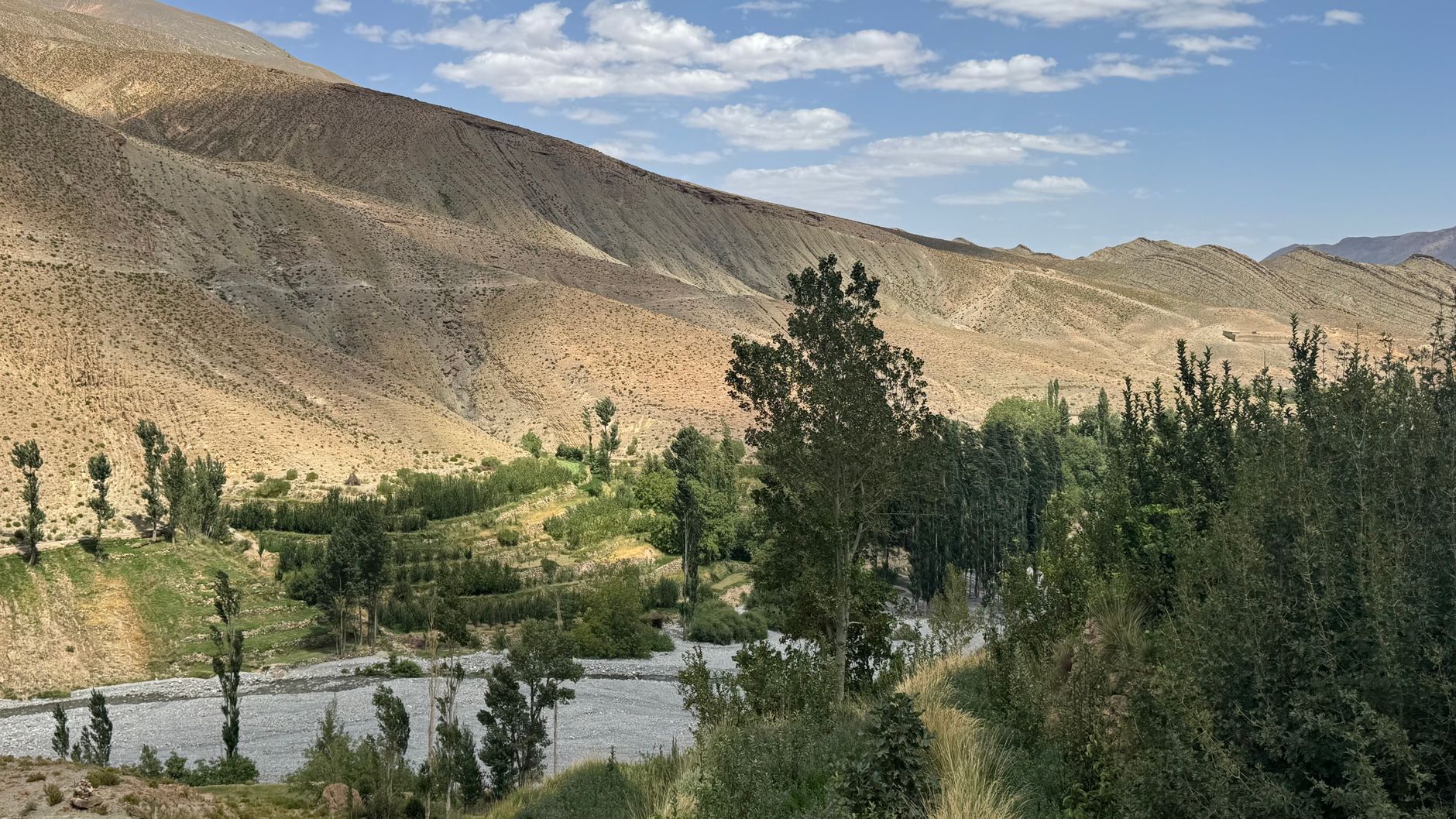
Days 4-6: Desert adventure (via Dades Valley, overnight in Sahara)
Days 7-8: Fes (medina, tanneries, local artisan workshops)
Days 9-10: Chefchaouen and return
The 10-day Morocco tour package offered by Eddyafa Travel covers exactly this circuit with experienced guides who know the hidden spots tour buses miss. They handle logistics while you handle the wonder—fair trade if you ask me.
💎 Hidden Gems to Add:
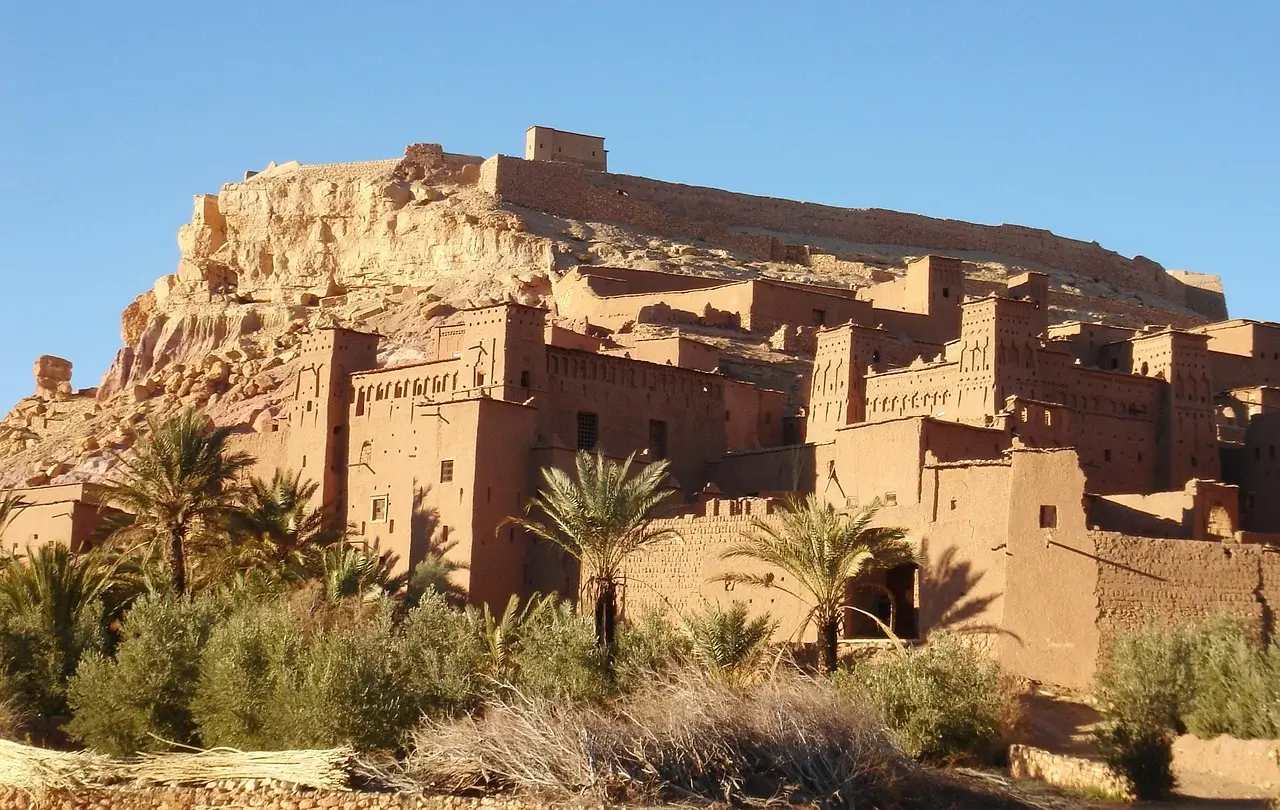
- Ait Benhaddou: UNESCO-protected kasbah that’s starred in Game of Thrones
- Todra Gorge: Towering canyon walls perfect for rock climbing or scenic drives
- Essaouira: Laid-back coastal city with fresh seafood and Atlantic breezes
- Ouzoud Waterfalls: Morocco’s tallest waterfall, complete with rainbow mist and resident monkeys
Frequently Asked Questions
Q: Is Morocco expensive to visit?
A: Morocco offers incredible value! Budget travelers can manage on $30-50/day, mid-range visitors spend $75-125/day, while luxury experiences run $200+/day. Street food costs $2-5, while nice restaurant meals are $10-20 per person.
Q: Do I need a visa for Morocco?
A: US, Canadian, EU, UK, and Australian citizens get 90-day visa-free entry. Just ensure your passport is valid for six months beyond arrival. Always check current requirements through official government sources before booking.
Q: What should I pack for Morocco?
A: Pack layers! Lightweight, modest clothing for days, warmer layers for nights. Comfortable walking shoes are essential (those medinas have uneven cobblestones), plus sunscreen, hat, and a scarf for multiple uses. Don’t overpack—you’ll want luggage space for souvenirs.
Q: Can I drink tap water in Morocco?
A: Stick to bottled water to avoid stomach issues. Locals drink tap water, but tourist stomachs aren’t adjusted to local bacteria. Bottled water is cheap and available everywhere. Brush teeth with bottled water too, at least initially.
Start Your Moroccan Adventure Today

Morocco isn’t just a destination—it’s a complete transformation of how you see the world. From haggling for spices in ancient souks to riding camels across golden dunes, from sipping mint tea in mountain villages to losing yourself in blue-painted streets, every moment offers something memorable.
The beauty of Morocco lies in its contrasts. Modern meets ancient, desert meets ocean, chaos meets serenity. It’s a country that rewards curious travelers willing to embrace the unexpected, engage with locals, and let go of rigid schedules.
Ready to turn this Morocco travel guide into your own adventure? Contact Eddyafa Travel to design a personalized itinerary that matches your travel style. Whether you want a luxurious journey through imperial cities or an authentic Berber village experience, their local expertise ensures you experience Morocco like an insider, not a tourist.
Pack light, bring curiosity, and prepare for Morocco to work its magic on you. This is one journey where getting lost is part of finding yourself.
Looking for the perfect Morocco tour? Check out our most popular experiences: 10-Day Grand Morocco Tour, 4-Day Marrakech to Fes Desert Adventure, or Authentic Sahara Desert Experience. Each tour is led by local guides who bring Morocco’s stories to life.
When to Visit Morocco: Seasons at a Glance
| Season | Best For | Avoid | Temps |
|---|---|---|---|
| Spring (Mar–May) | Cities & desert | — | 15–25°C |
| Summer (Jun–Aug) | Coast & mountains | Sahara | 20–35°C |
| Fall (Sep–Nov) | Most destinations | — | 18–28°C |
| Winter (Dec–Feb) | Cities & desert | Atlas hikes | 10–20°C |
Summer heat in the Sahara is brutal — if your plan centres on Merzouga or Erg Chebbi dunes, aim for October to April for the most comfortable desert experience.
Getting Around Morocco
- Train: the high-speed Al Boraq line links Casablanca–Rabat–Fez; classic routes cover Marrakech and Tangier.
- Bus: CTM and Supratours offer clean, comfortable coaches between most cities.
- Car: great for remote regions like the Atlas and the Sahara — and our private transfers with driver give you flexibility without the stress of Moroccan city traffic.
- City driving: not for the faint-hearted — hire a driver if you’re unsure.
For airport pickups and intercity hops, our airport & private transfer service handles the logistics so you can focus on the journey.
Hidden Treasures: Off-the-Beaten-Path Morocco
Chefchaouen – The Blue Pearl
Nestled in the Rif Mountains, this town painted entirely in shades of blue has become Morocco’s most photographed destination — and beyond the Instagram appeal it offers genuine tranquility. Best light for photos: early morning (8–10 AM), when shadows add depth against the blue walls. See our full Chefchaouen travel guide.
Ouarzazate – Hollywood Meets Morocco
Known as the “Hollywood of Africa,” Ouarzazate has been the backdrop for countless films and TV shows. The nearby Ait Benhaddou kasbah appeared in everything from Gladiator to Game of Thrones, and the Atlas Film Studios offer fascinating behind-the-scenes tours.
Essential Morocco Travel Hacks
- Bargaining is expected — start around 30% of the initial price in souks.
- Learn basic Arabic/French greetings — locals genuinely appreciate the effort.
- Dress modestly, especially in rural areas and religious sites.
- Always carry small bills for tips and small purchases.
- Download offline maps — medina navigation can be tricky.
- Book a desert camp on a new moon for the most incredible stargazing.
Daily budget: budget travellers $30–50/day · mid-range $60–100/day · luxury from $150+/day.
Morocco Adventures: From Camels to Quads
Beyond the classic sightseeing loop, Morocco is an adventure playground. Ride camels across the Erg Chebbi dunes at sunrise, feel the adrenaline of quad biking over desert plains, and take on mountain trails in the High Atlas. Our desert tours and day trips from Marrakech combine thrills with culture — every excursion is led by local guides who know the terrain.