Skip to content
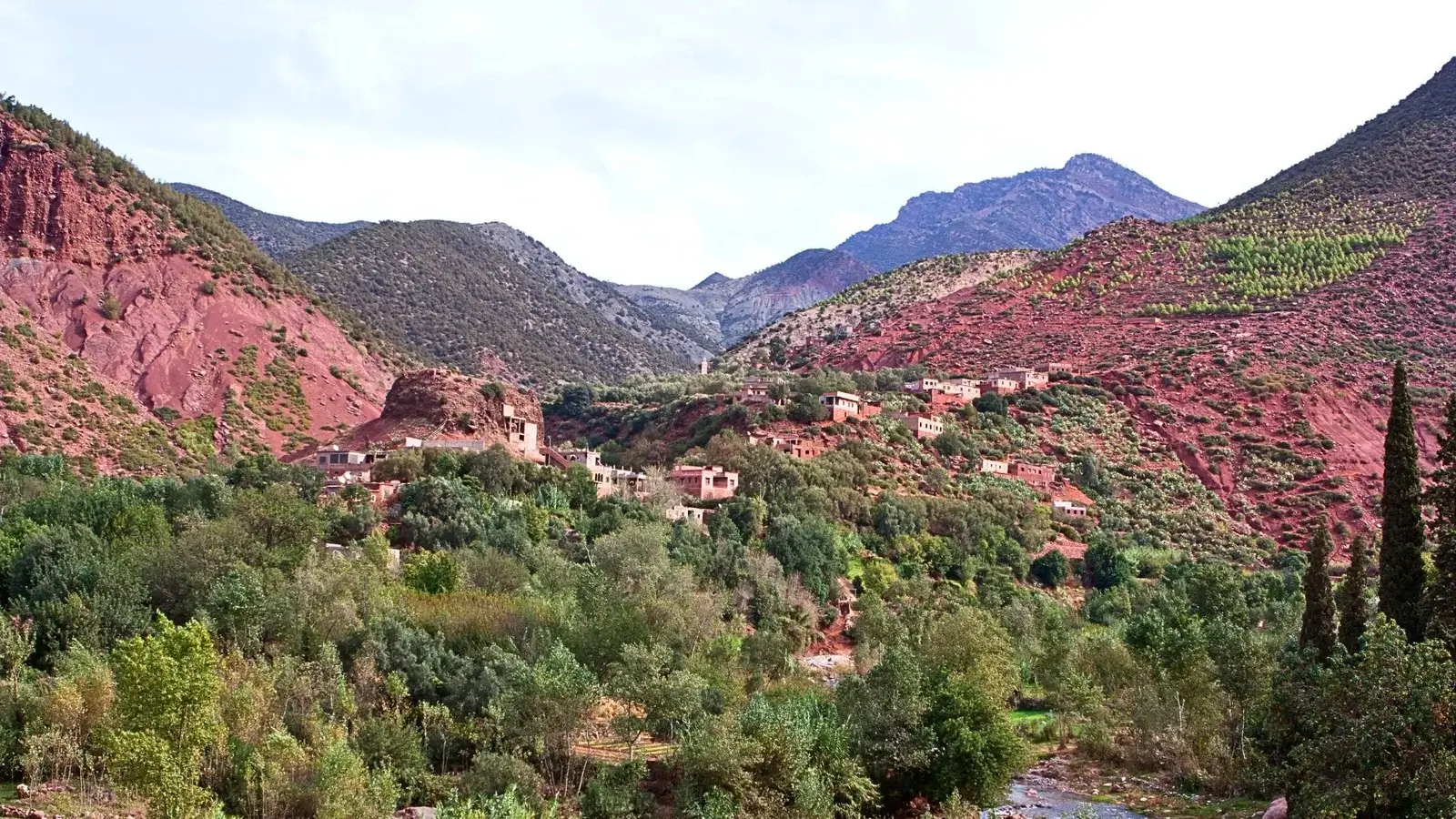
Green valley and stream on a day trip from Marrakech
Health

Morocco Travel Health Guide: Tap Water, Food Safety and Staying Well

Morocco is an easy country to be well in — pharmacies on most corners, doctors in every city, and food that has kept travellers fed for centuries. Almost every health problem on holiday here comes from three things: water, heat and skipping the basics. Here is how to handle each one.

Eddyafa Travel
Journal
In this article6 min read

Where travellers actually get into trouble

Ask any doctor in Marrakech what walks through the door in summer, and the list is short: upset stomachs, dehydration and sunburn. Serious problems are rare for visitors, and the country is well used to treating them — every city has private clinics where doctors speak French or English, and pharmacists handle most of what goes wrong between them.

The pattern behind almost all of it is predictable. You drank something you should not have, in a country where the tap water is treated but the old pipes are not always; or you ate at the wrong stall, in the wrong heat, on the wrong day. The sections below are the same advice a good travel clinic gives, trimmed to what matters on the ground.
  1. Can you drink the tap water?

    Morocco treats its municipal water, and in the cities it is officially drinkable. The reason most travellers still buy bottled water is the second half of the system: older buildings, storage tanks and pipes that nobody has inspected since independence. The water may be fine at the plant and less fine at your tap.

    So: drink bottled or filtered, keep a bottle by the sink for brushing your teeth, and do not swallow in the shower. Commercial ice in cafés is generally made from treated water, but if your stomach is sensitive, ask for no ice — it costs nothing to check. The cheapest good habit is buying water in bigger bottles rather than six small ones, which also halves the plastic.

  2. Food safety: the four rules that actually work

    Moroccan food is not a risk category — it has fed travellers for centuries. What changes is the temperature, the turnover and how well a given stall keeps things cold at midday. Four rules cover almost every situation you will meet.

    • Hot and freshly cooked beats cold and pre-made: the busiest stall is busy for a reason.
    • Peel your own fruit; skip raw salads if your stomach is new to the country — cooked vegetables are just as good.
    • Fish should taste of the sea and nothing else; near the coast, order what came off the boat this morning.
    • Street food with a queue of locals is safer than a silent restaurant with a laminated menu.
  3. Pharmacies, doctors and the numbers to save

    Pharmacies are marked with a green cross and found in every town; the pharmacist is the first stop for anything minor, and in Morocco a surprising amount can be sorted there without an appointment. For anything more, cities have private clinics and hospitals where the standard of care is good and French or English is spoken.

    Keep prescription medicine in its original packaging with the prescription or a doctor's note — border questions are rare, but the note ends them instantly. And save these before you land.

    • Police: 19 in cities · Gendarmerie: 177 in rural areas · Ambulance and fire: 15 · 112 works from mobiles.
    • Ask your hotel to call ahead to a clinic — reception knows which one is open and which is good.
    • Carry rehydration salts and something for diarrhoea from home; do not self-prescribe antibiotics.
    • A basic kit that earns its space: plasters, blister care, sunscreen, insect repellent, painkillers.
  4. Vaccinations: required, useful, irrelevant

    No vaccination is required to enter Morocco from most of the world. The one exception is yellow fever — but it applies to where you are arriving from, not where you are from: if you land in Casablanca direct from Europe or the Americas, it does not concern you, while a routing through an endemic country can mean showing a certificate.

    Beyond that, it is the routine list: make sure the normal ones are up to date, and ask a travel clinic about hepatitis A and typhoid for longer or more adventurous trips. Malaria is not a risk in Morocco — you can cross that off before you start. Anything more specific depends on where you are from, so a ten-minute conversation with a professional beats any list, including this one.

  5. Insurance, especially for the desert

    For a city break, insurance is a formality. For the desert, the Atlas and anything with a road far from a hospital, it is the difference between a bad afternoon and a bad week: the good policies cover medical care, transfer to a larger city and — the part people forget — getting you home.

    Read the two lines that matter: whether remote-area treatment is included, and whether adventure activities you plan to do are covered. Camel trekking sounds harmless until you are two hours from the nearest clinic, and a policy that excludes the thing you came for is a receipt, not insurance.

  6. Heat, sun and the mountain cold

    Morocco's climate swings wider than its map suggests. Inland summers push past 40 degrees in Marrakech and the southern valleys — the rule then is to do everything before noon and after five, and to treat midday as siesta time even if you never siest anywhere else. Dehydration arrives before hunger: carry water and drink before you feel the need.

    Two opposite surprises wait in store. The desert, the gorges and the Middle Atlas get genuinely cold at night, even in summer, so a layer goes in the daypack year-round; and the winter sun at Moroccan latitudes still burns — hats and sunscreen are not a summer accessory here.

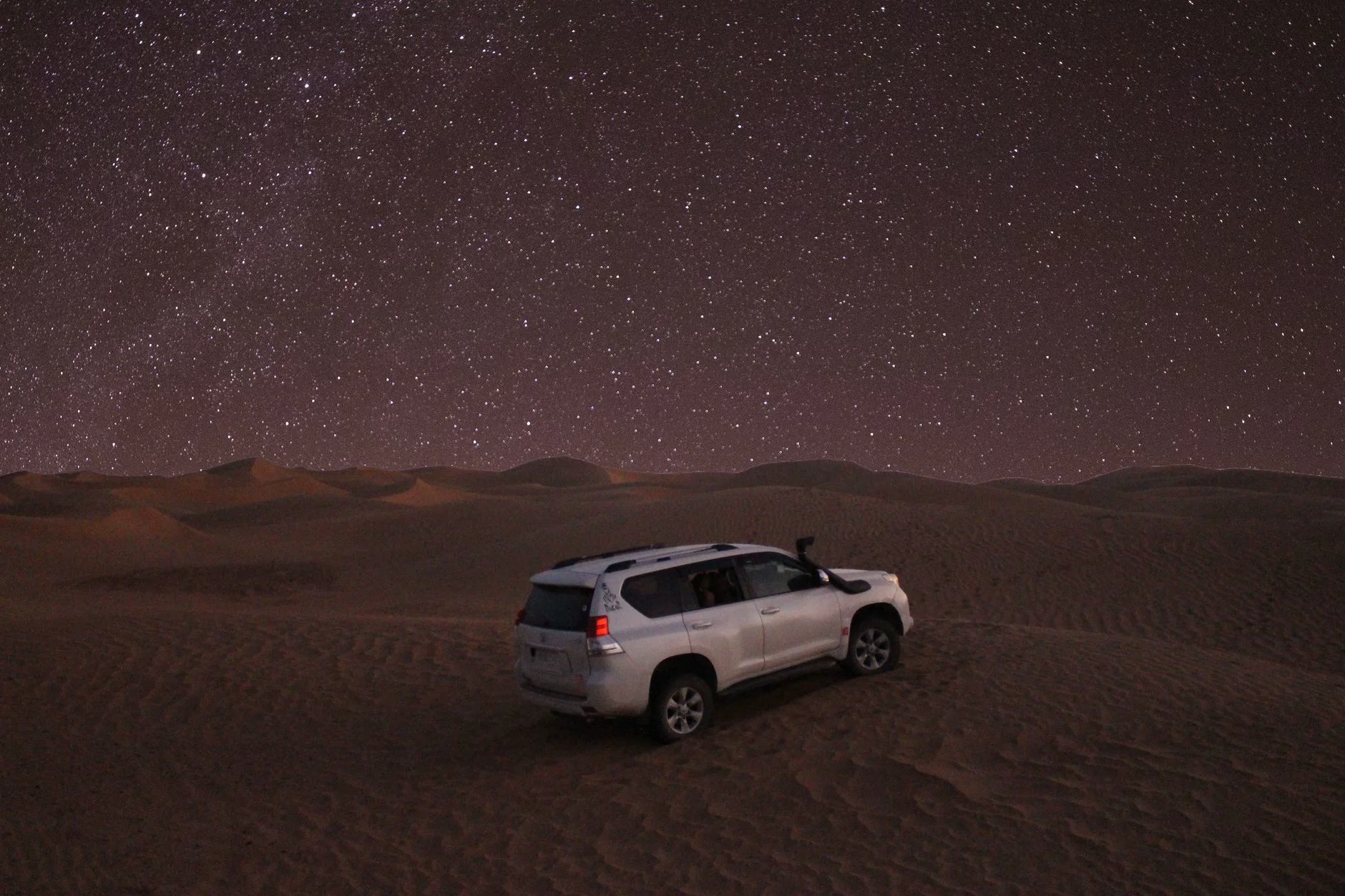
    Desert sunset in Morocco
  7. Small risks worth knowing about

    None of these will probably happen; all of them are cheap to prepare for. Black henna tattoos — the dark kind painted on in the squares — often contain a chemical that raises real skin reactions, so give them a miss or use the natural brown henna only. Street animals are mostly friendly, but any bite or scratch needs prompt washing and a doctor, because rabies circulates in the region.

    Mosquitoes bother in coastal cities on warm evenings and almost never in the desert; a repellent in the evening settles it. And if you have a pre-existing condition, bring double what you think you need — pharmacies here carry the familiar names, but dosages and brands are not always the ones you know.

The pre-flight checklist

Health on a Morocco trip is mostly decided before you go. Ten minutes of this list removes ninety percent of the risk.

  • Prescription meds doubled, in original packs, with a doctor's note in English or French.
  • Insurance policy saved offline, with the assistance number in your phone.
  • Water rule decided before you land: bottled and filtered, no tap water, ice optional.
  • Emergency numbers saved: 15 ambulance, 19 police, 112 from any mobile.
  • Sunscreen and a hat packed in hand luggage — the first afternoon is when people forget them.
  • Heat plan for summer: mornings out, midday shaded, evenings alive again.

Begin your adventure

Your dream Morocco trip starts here

Tell us where you want to go, when, and at what pace — we’ll craft a tailor-made itinerary with private transport, hand-picked riads and local guides.